TU Dresden Proposes 50 MW Molten Salt Reactor Concept to Transmute High-Level Nuclear Waste
A feasibility study outlines the DEMO experimental reactor designed to process spent fuel and vitrified waste directly without conventional chemical reprocessing.
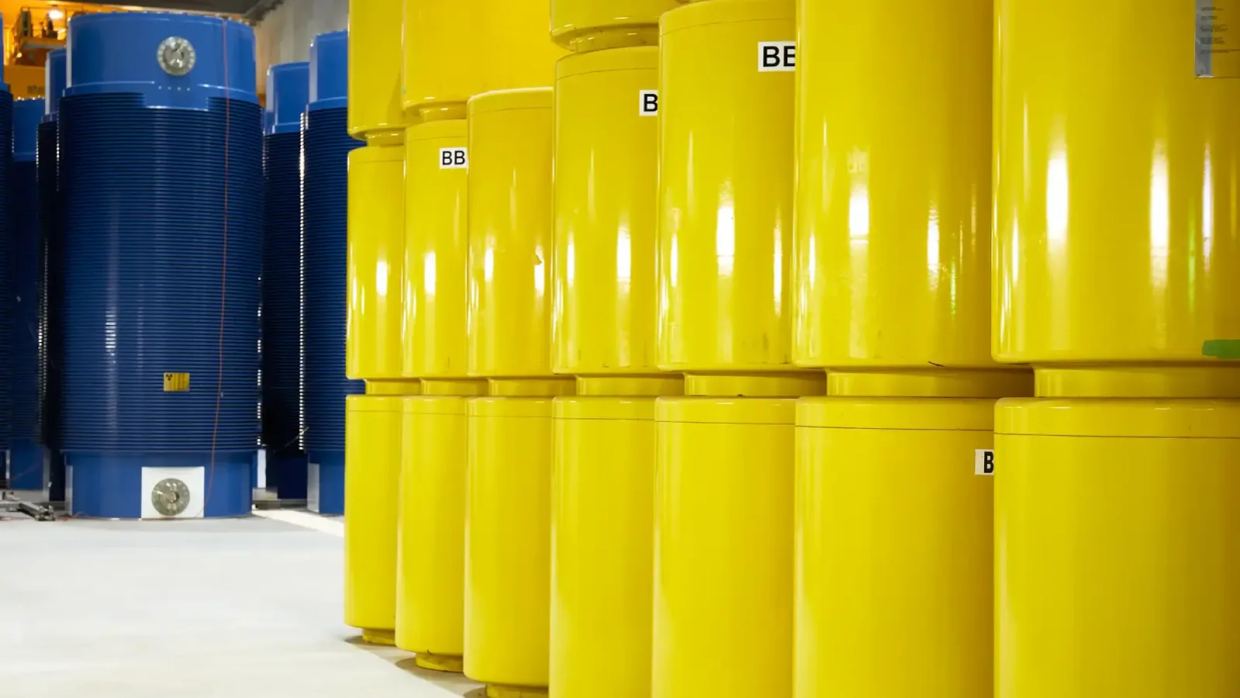
The Technische Universität Dresden (TUD) has presented a feasibility study detailing the concept for an experimental recycling reactor named DEMO, according to tu-dresden.de. Funded by the Free State of Saxony, the project proposes using a molten salt reactor to convert high-level radioactive waste from light-water reactors into low-carbon energy and predominantly short-lived fission products tu-dresden.de
tu-dresden.detu-dresden.deOpen source ↗. Researchers utilized Dresden's AKR-2 training reactor during the feasibility assessments.
Technical Parameters and Planned Sites
The planned facility is designed for a maximum thermal output of 50 MW and an operational lifetime of 20 years tu-dresden.de
tu-dresden.detu-dresden.deOpen source ↗. Development and construction are estimated to take at least five years, with projected public investments of approximately 1.95 billion euros. The university identified potential locations including the Rossendorf research site, operated by VKTA, or sites undergoing industrial transition in Lusatia, such as Schwarze Pumpe and Boxberg
tu-dresden.de
tu-dresden.detu-dresden.deOpen source ↗.
The concept relies on a direct transmutation approach: spent fuel rods and already vitrified materials are to be fed directly into molten salt without conventional, highly complex chemical reprocessing tu-dresden.de
tu-dresden.detu-dresden.deOpen source ↗. Alongside thermal power generation, the concept includes the extraction of radionuclides for medical and industrial applications, as well as research synergies with fusion energy programs
tu-dresden.de
tu-dresden.detu-dresden.deOpen source ↗.
Regulatory Context and Economics
Because DEMO will not generate commercial electricity and omits traditional reprocessing methods, project authors stated that its construction is viable under Germany's current Atomic Energy Act (AtG) tu-dresden.de
tu-dresden.detu-dresden.deOpen source ↗. The team projects that commercial units operating on this principle could begin operation by 2045, pending regulatory adjustments.
Project estimates suggest the technology could theoretically tap residual energy reserves equivalent to 300 times Germany's annual electricity consumption tu-dresden.de
tu-dresden.detu-dresden.deOpen source ↗. The developers also stated that eliminating the need for a deep geological repository conforming to StandAG standards could avoid an estimated 50 billion euros in storage expenditures
tu-dresden.de
tu-dresden.detu-dresden.deOpen source ↗.