DNA from 7,000-year-old Spanish goat leather links Neolithic herds to modern Bermeya breed
Researchers sequenced a nuclear genome from Early Neolithic goat leather found in Cueva de los Murciélagos, identifying its direct affinity to modern Iberian goats.
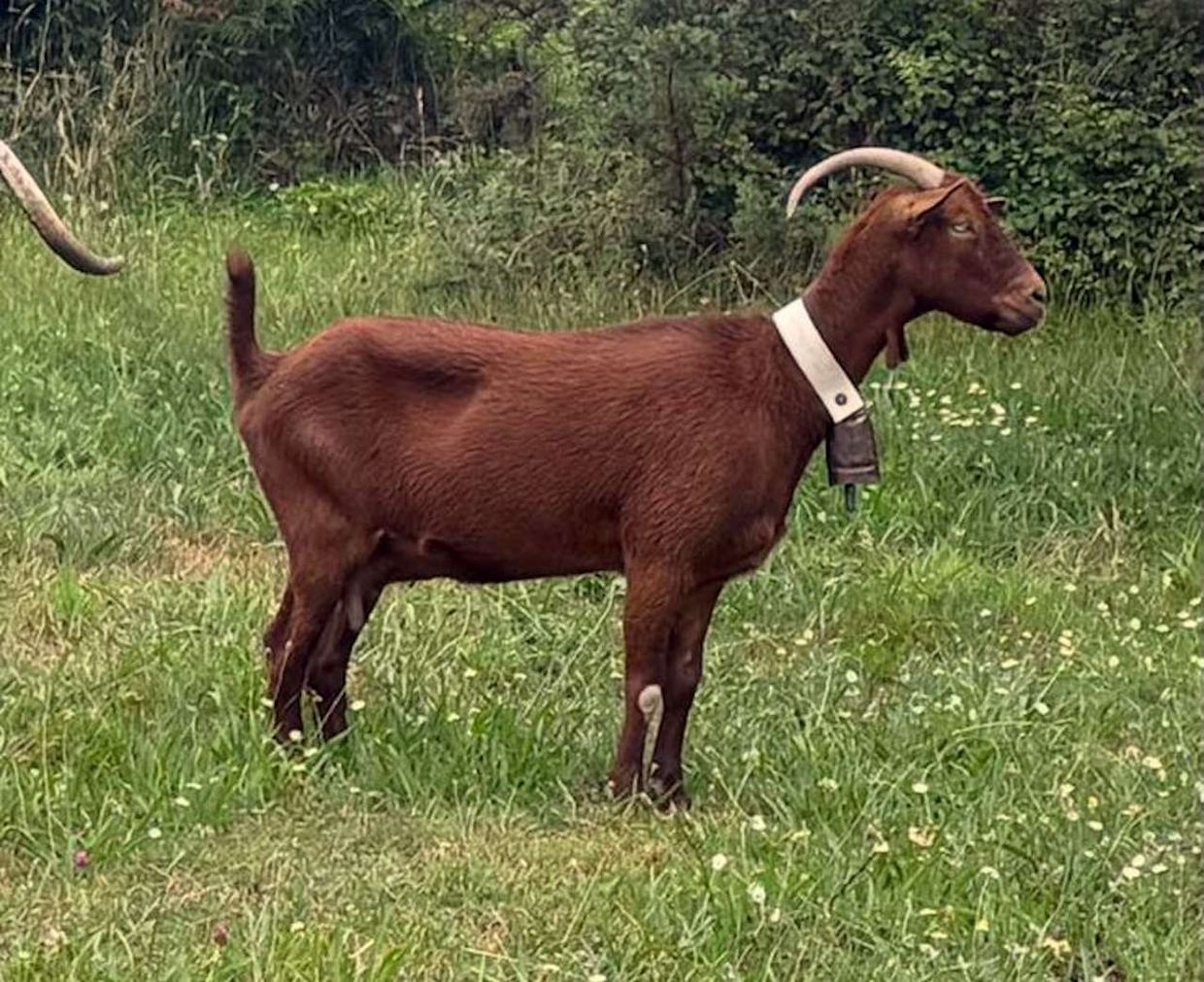
An international team of researchers has recovered and sequenced genome-wide ancient DNA from a 7,000-year-old goat leather artifact found in Cueva de los Murciélagos in Albuñol, Spain. Radiocarbon dating confirmed the specimen to be approximately 7,250 to 7,000 years old, placing it firmly in the Early Neolithic context. The findings, published in PLoS ONE, represent one of the oldest nuclear genome datasets obtained from organic remains outside of high-altitude or high-latitude regions doi.org
PLoS ONEdoi.orgOpen source ↗.
Archaeozoological examination of the leather, designated Murciélagos1, showed clear evidence of tanning, anthropogenic modification, and wear, including holes with smooth edges that point to its manufacture into clothing or gear. The artifact was recovered alongside human burials and other Neolithic items, suggesting use as apparel, a shroud, or a funerary offering doi.org
PLoS ONEdoi.orgOpen source ↗.
Genetic continuity with modern herds
Comparative genomic analysis revealed that the sample belonged to a female domestic goat of European ancestry rather than a wild Iberian ibex. The genome showed the highest genetic affinity to the Bermeya breed, a domestic goat native to northern Spain doi.org
PLoS ONEdoi.orgOpen source ↗. This relationship demonstrates unbroken genetic connectivity in goat herds across the Iberian Peninsula from the Neolithic period to the present day.
Exogenous DNA traces
In addition to the host genome, researchers recovered fragmented exogenous DNA belonging to human and canid sources from the leather's surface. The ancient human DNA fragments align with contact during the skin's processing and practical use by Neolithic people. The canid DNA, likely from a fox or related species, represents post-depositional disturbance inside the cave environment doi.org
PLoS ONEdoi.orgOpen source ↗.