Egyptologists decipher biographical inscription from tomb of Khuwy at South Saqqara
Analysis of relief fragments from the Fifth Dynasty official's tomb revealed references to King Djedkare and arrangements for his funerary cult.
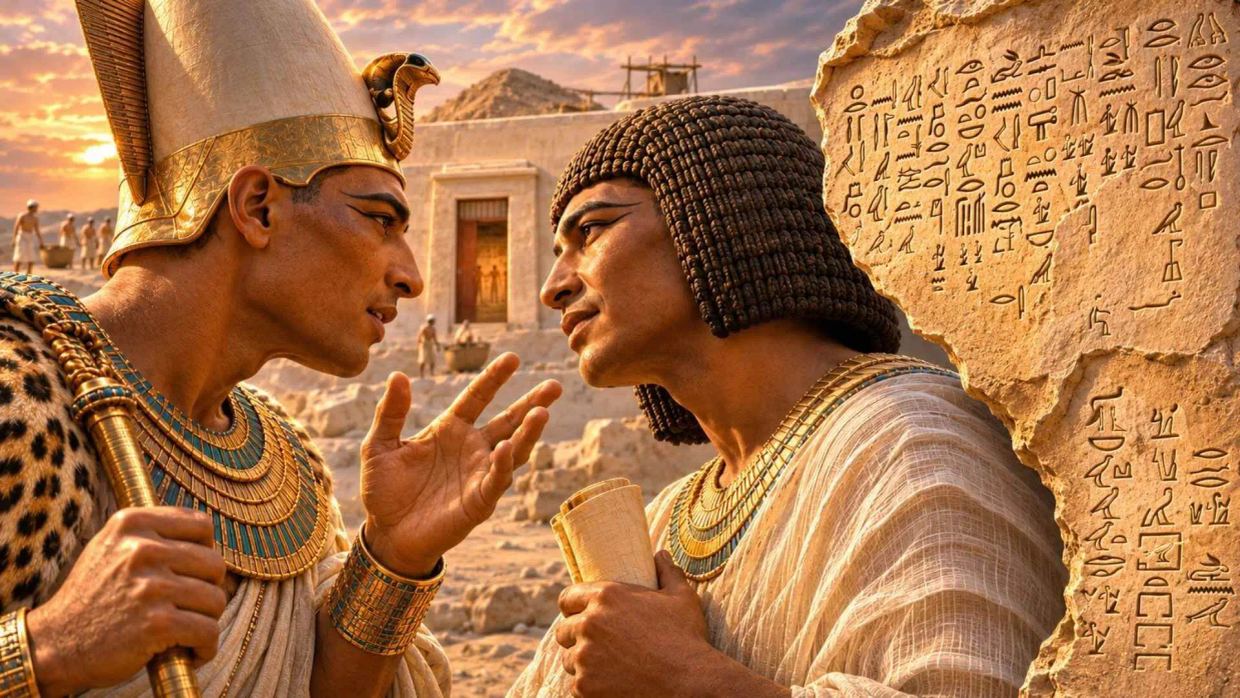
Egyptologist Hana Vymazalová of Charles University analyzed limestone relief fragments bearing a biographical inscription from the tomb of the Fifth Dynasty official Khuwy at South Saqqara, according to a study in The Journal of Egyptian Archaeology doi.org
The Journal of Egyptian Archaeologydoi.orgOpen source ↗. The tomb was discovered in 2019 within the royal cemetery associated with Pharaoh Djedkare. The text, originally located near the entrance to the chapel, was carved in sunk relief across multiple limestone blocks, of which eight fragments survived ancient looting and material reuse
doi.org
The Journal of Egyptian Archaeologydoi.orgOpen source ↗.
Textual evidence and royal names
The largest recovered block measured 110 centimeters in length and preserved fourteen columns of hieroglyphic signs alongside two horizontal lines. Among the surviving passages, researchers identified the throne name of King Djedkare and the name of Queen Setibhor doi.org
The Journal of Egyptian Archaeologydoi.orgOpen source ↗. In private Fifth Dynasty monuments, Djedkare was routinely designated by the name Isesi, making the appearance of his throne name notable. While the direct syntactic context is lost, the surviving segments indicate that Khuwy received royal privileges related to his burial and eternal provisions
doi.org
The Journal of Egyptian Archaeologydoi.orgOpen source ↗. The text also refers to administrative institutions that likely correspond to major state departments.
Structure of an early ideal biography
The surviving lines exhibit core stylistic features of an "ideal biography," representing one of the earliest known examples of the genre doi.org
The Journal of Egyptian Archaeologydoi.orgOpen source ↗. The text includes moral self-presentations, such as statements asserting that the official never appropriated the property of others, in accordance with the concept of maat. In addition, the inscriptions detail specific preparations for Khuwy's tomb, arrangements for his burial, and provisions for funerary priests charged with maintaining his posthumous cult
doi.org
The Journal of Egyptian Archaeologydoi.orgOpen source ↗. The passages also preserve warnings intended to protect his cult personnel, marking an early phase in private biographical traditions in Old Kingdom Egypt.