PNAS: 3.26 Ga S2 meteorite impact stimulated microbial iron cycling
Geochemical analysis of the 3.26-billion-year-old S2 impact layer revealed that ocean mixing and nutrient input spurred microbial blooms.
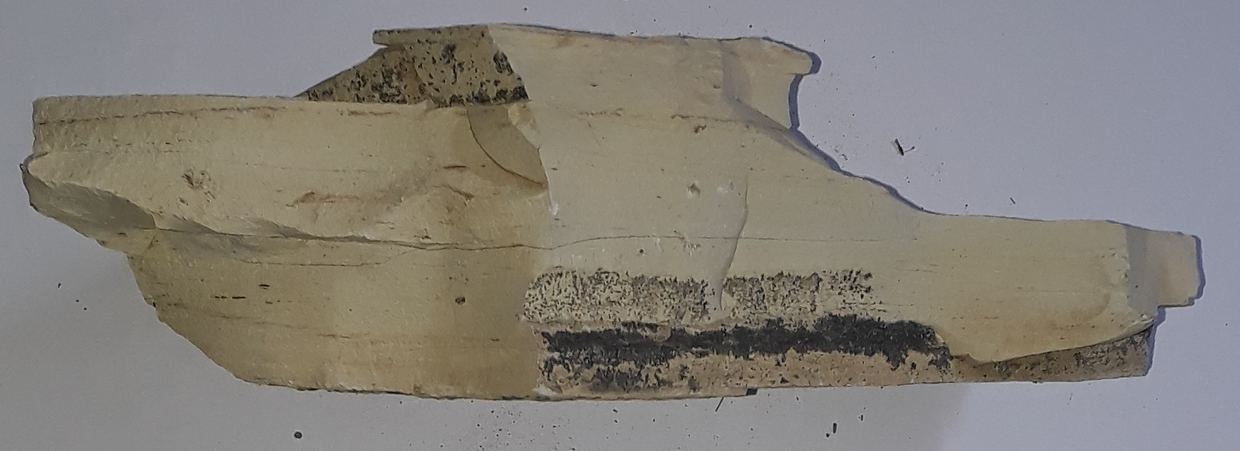
An impact by a massive carbonaceous chondrite 3.26 billion years ago altered surface environments but facilitated subsequent microbial blooms on early Earth. Researchers investigated this event by examining the sedimentology, petrography, and carbon isotope geochemistry of the Fig Tree Group in South Africa, reporting the findings in the Proceedings of the National Academy of Sciences doi.org
Proceedings of the National Academy of Sciencesdoi.orgOpen source ↗. The bolide, designated S2, measured between 37 and 58 km in diameter and was one of at least 16 major impactors exceeding 10 km that struck the planet during the Archean Eon
doi.org
Proceedings of the National Academy of Sciencesdoi.orgOpen source ↗.
Environmental disruptions from the impact
The impact triggered a massive tsunami that washed coastal debris inland and mixed Fe2+-rich deep ocean waters into the previously Fe2+-poor shallow surface layers doi.org
Proceedings of the National Academy of Sciencesdoi.orgOpen source ↗. Vaporization and atmospheric heating induced partial evaporation of surface ocean waters, while bolide vaporization injected significant volumes of phosphorus into the environment
doi.org
Proceedings of the National Academy of Sciencesdoi.orgOpen source ↗. The thermal pulse likely drove a short-term increase in continental weathering and erosion
doi.org
Proceedings of the National Academy of Sciencesdoi.orgOpen source ↗. For phototrophic microbes inhabiting shallow marine columns, the combination of darkness, atmospheric heating, and violent water displacement likely caused a severe initial population collapse
doi.org
Proceedings of the National Academy of Sciencesdoi.orgOpen source ↗.
Rapid recovery and microbial blooms
Geological evidence indicates that marine ecosystems stabilized rapidly after the event doi.org
Proceedings of the National Academy of Sciencesdoi.orgOpen source ↗. Sedimentary strata located directly above the S2 impact deposit contain abundant siderites intimately associated with preserved organic matter
doi.org
Proceedings of the National Academy of Sciencesdoi.orgOpen source ↗. These mineral layers exhibit light and variable δ13Ccarb values, a geochemical signal consistent with biological processing of iron
doi.org
Proceedings of the National Academy of Sciencesdoi.orgOpen source ↗. The medium-term influx of nutrients like phosphorus, alongside iron upwelling, triggered rapid blooms of iron-cycling microbes across regional, if not global, marine habitats
doi.org
Proceedings of the National Academy of Sciencesdoi.orgOpen source ↗.