IMDEA Materials develops multifunctional fire-retardant coating prototype
Researchers combined passive heat shielding with active electrical fire detection and post-use recycling in an experimental epoxy composite.
Researchers from the IMDEA Materials Institute and collaborating institutions have developed an experimental multifunctional coating designed to insulate surfaces, detect flames, and be reprocessed after disposal, according to knowridge.com knowridge.com
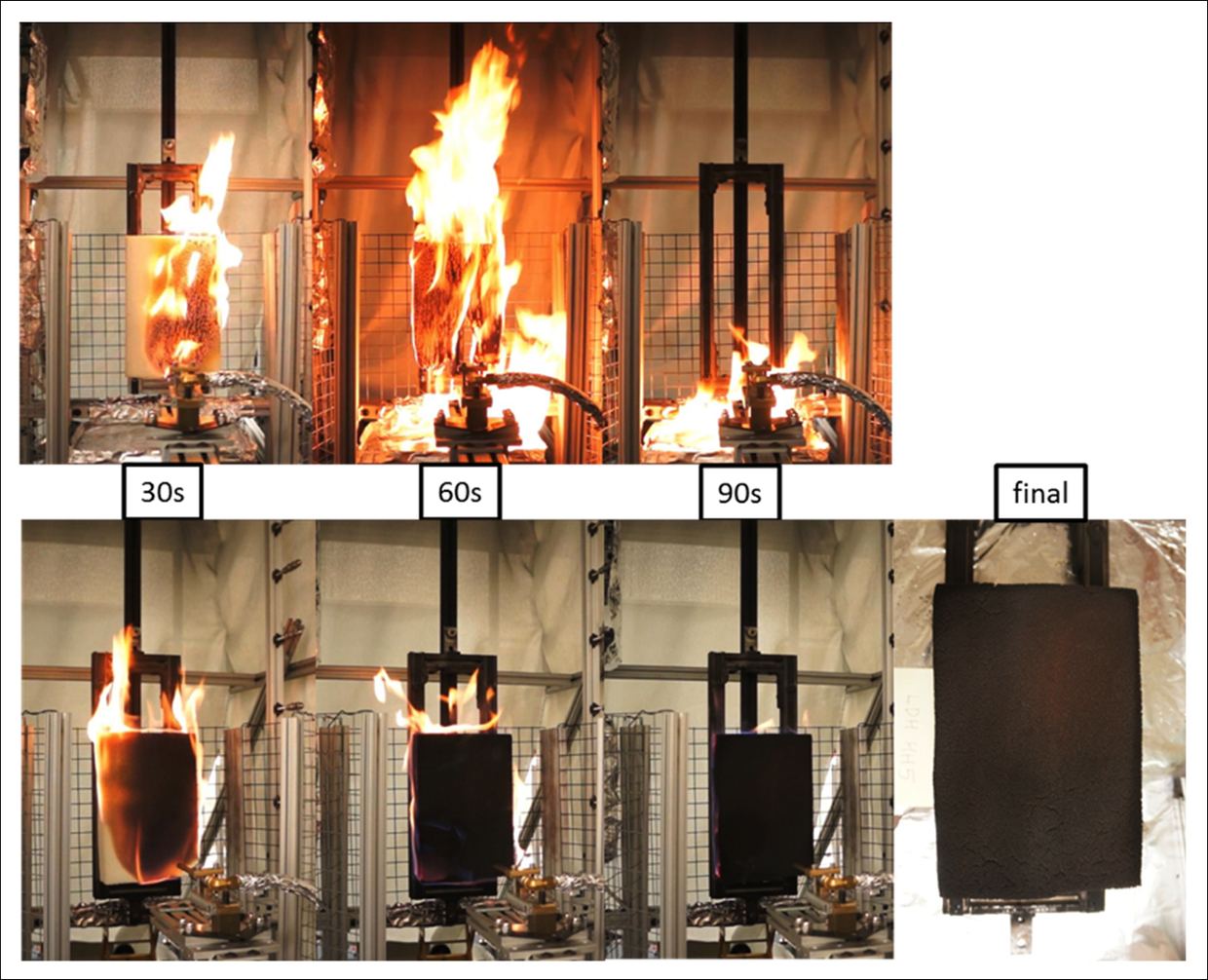
knowridge.comknowridge.comOpen source ↗. In laboratory fire tests, coated aluminum sheets withstood direct flame exposure at 1,200 degrees Celsius for 15 minutes, with the reverse surface remaining below 400 degrees Celsius
knowridge.com
knowridge.comknowridge.comOpen source ↗. Under identical conditions, an unprotected control plate burned through in roughly two minutes
knowridge.com
knowridge.comknowridge.comOpen source ↗.
Flame protection and sensing mechanism
The formulation integrates an epoxy resin matrix with graphene oxide and a bio-based flame-retardant additive derived from phytic acid knowridge.com
knowridge.comknowridge.comOpen source ↗. When exposed to elevated temperatures, the composite forms an insulating, carbon-rich char layer that restricts thermal transfer to the underlying substrate
knowridge.com
knowridge.comknowridge.comOpen source ↗. Concurrently, the electrical conductivity of the embedded graphene oxide shifts under flame contact, enabling the experimental coating to send an electrical alarm signal within approximately 3.5 seconds
knowridge.com
knowridge.comknowridge.comOpen source ↗.
Mechanical recovery and upcycling
Beyond primary protection, the authors evaluated end-of-life recovery by mechanically processing the coating into a fine powder knowridge.com
knowridge.comknowridge.comOpen source ↗. The recovered material retained chemical structures containing nitrogen, phosphorus, and silicon, which were subsequently mixed into polypropylene alongside another flame retardant
knowridge.com
knowridge.comknowridge.comOpen source ↗. In test plastics, this recycled additive continued to facilitate char formation rather than functioning solely as an inert filler
knowridge.com
knowridge.comknowridge.comOpen source ↗. Further investigations will assess the performance of the system in practical operating conditions across extended operational lifespans
knowridge.com
knowridge.comknowridge.comOpen source ↗.