Australian model shows hydrogen turbines can reduce storage costs to $0.62/kg
Integrated surface and reservoir modeling indicates hydrogen turbines offer lower capital expenditure and storage costs than fuel cells.
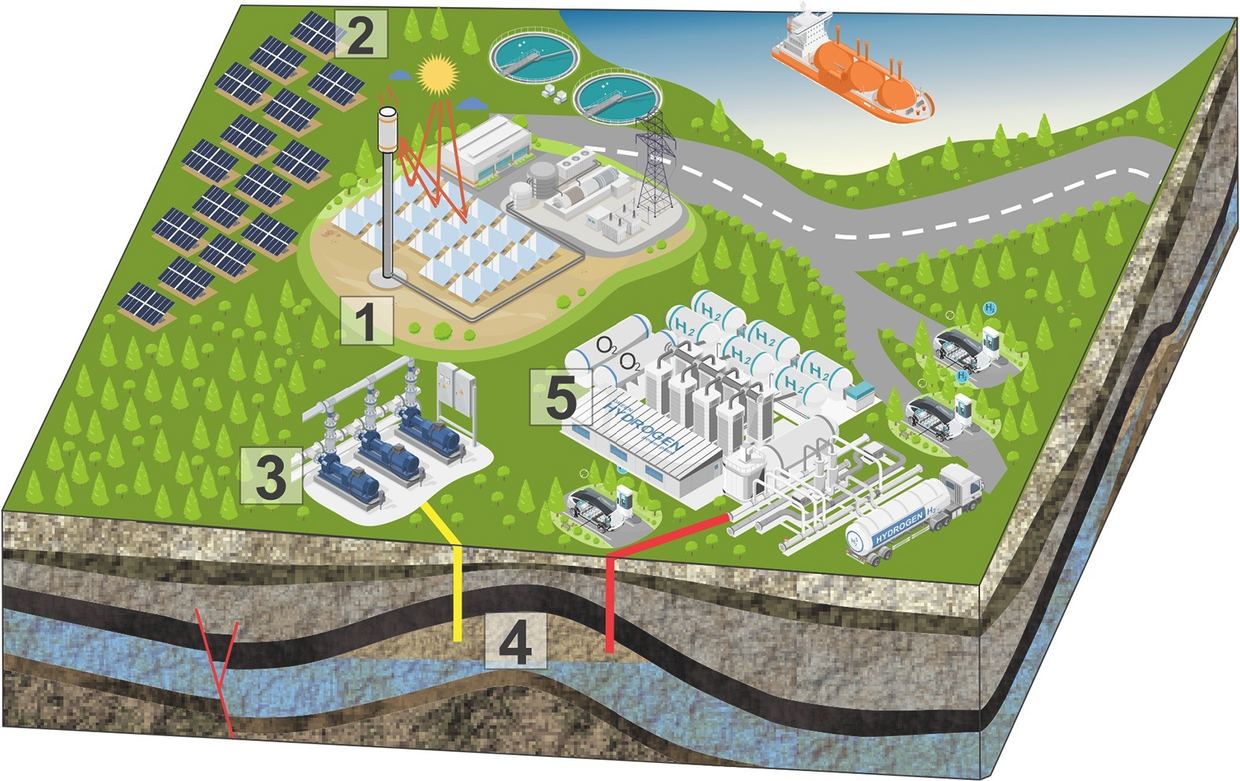
Australian researchers modeled the integration of surface and subsurface facilities for underground hydrogen storage, finding that hydrogen gas turbines can reduce the levelized cost of hydrogen storage (LCOHS) to approximately AUD 0.90/kg ($0.62/kg). As reported by pv-magazine.com, the study evaluated hydrogen fuel cells and gas turbines as backup power sources during intervals of low solar availability pv-magazine.com
pv-magazine.compv-magazine.comOpen source ↗. The analysis assumed a reservoir porosity of 10%, permeability of 50 mD, a 30-year operational timeframe, and a 7% discount rate.
Subsurface dynamics and recovery
The study, published in Applied Energy, assessed an end-to-end configuration encompassing hydrogen injection, geological storage, gas purification, and pipeline delivery. The researchers demonstrated that geological properties govern operational performance and surface infrastructure sizing pv-magazine.com
pv-magazine.compv-magazine.comOpen source ↗. Higher permeability enhances injectivity and recovery efficiency, though it increases subsequent compression and purification demands. Conversely, lower reservoir porosity improves gas displacement efficiency but requires elevated injection pressures, driving up equipment expenditures.
Surface generation and system economics
Compared to hydrogen fuel cells, gas turbines demonstrated lower initial capital expenditure for utility-scale backup generation. The team concluded that optimizing the link between reservoir mechanics and surface facility design determines the viability of converting depleted formations into large-scale underground hydrogen storage systems. Proper alignment of injection pressures, purifiers, and generation assets provides a technical framework for commercializing solar-driven hydrogen storage projects.