Paleontologists Identify 66-Million-Year-Old Amphibian Species in Spain
Researchers examined fossils collected in the 1990s and described Synorerpeton ribagorzana, a salamander-like albanerpetontid.
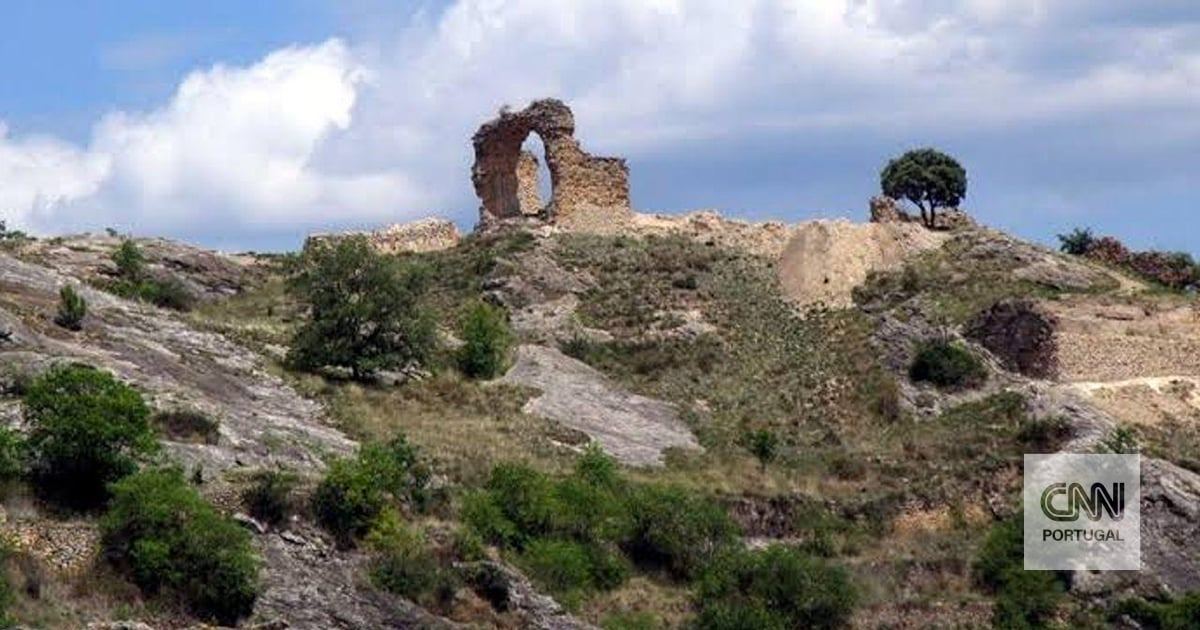
Scientists from Portuguese and Spanish institutions have identified a new species of extinct amphibian based on 66-million-year-old fossil material recovered in Spain, CNN Portugal reported citing Universidade Nova de Lisboa cnnportugal.iol.pt
CNN Portugalcnnportugal.iol.ptOpen source ↗. The study, published in the journal Cretaceous Research, was led by Alexandre Guillaume from the GEOBIOTEC research center at NOVA FCT alongside specialists from the Geological and Mining Institute of Spain (IGME), the University of Zaragoza, and the Institut Català de Paleoecologia Humana i Evolució Social
cnnportugal.iol.pt
CNN Portugalcnnportugal.iol.ptOpen source ↗.
The specimens were collected in 1997 in Areny, Huesca, in the Aragon region of Spain. More than eighty isolated bones from the 1990s, including skull elements, vertebrae, and postcranial pieces, served as the basis for describing the taxon, which was named Synorerpeton ribagorzana cnnportugal.iol.pt
CNN Portugalcnnportugal.iol.ptOpen source ↗. The generic name refers to the geological proximity of the Cretaceous-Paleogene boundary and the regional border between Aragon and Catalonia, while the specific epithet derives from the Ribagorça region and the Noguera Ribagorzana river
cnnportugal.iol.pt
CNN Portugalcnnportugal.iol.ptOpen source ↗.
Anatomical features of albanerpetontids
Albanerpetontids were a group of extinct lissamphibians resembling salamanders, with body lengths under five centimeters cnnportugal.iol.pt
CNN Portugalcnnportugal.iol.ptOpen source ↗. According to researchers, these animals possessed dry, scaly skin, eyelids, keratin-like claws, and a rapidly projectable tongue adapted for prey capture similar to modern chameleons
cnnportugal.iol.pt
CNN Portugalcnnportugal.iol.ptOpen source ↗. The examined skeletal elements indicate that representatives of this group shifted from slender morphotypes toward more robust forms near the end of the Cretaceous period
cnnportugal.iol.pt
CNN Portugalcnnportugal.iol.ptOpen source ↗.
Evolutionary lineages and biogeography
The fossil assemblage in Ribagorça is situated directly beneath the Cretaceous-Paleogene boundary layer, which marks the mass extinction event linked to an asteroid impact cnnportugal.iol.pt
CNN Portugalcnnportugal.iol.ptOpen source ↗. Previously, researchers described two dinosaur and two crocodilian species from this area
cnnportugal.iol.pt
CNN Portugalcnnportugal.iol.ptOpen source ↗.
Comparative analysis suggests the presence of two separate albanerpetontid lineages in Europe late in the Cretaceous cnnportugal.iol.pt
CNN Portugalcnnportugal.iol.ptOpen source ↗. According to Guillaume, Western European species show signs of influence from North American forms, whereas Eastern European taxa may reflect affinities with Asian species or older European populations
cnnportugal.iol.pt
CNN Portugalcnnportugal.iol.ptOpen source ↗.