Survey in Australia evaluates beverage warning labels and 20% taxes
A survey of 2,876 adults assessed how hypothetical tax and warning label policies affect choices regarding sugary and artificially sweetened drinks.
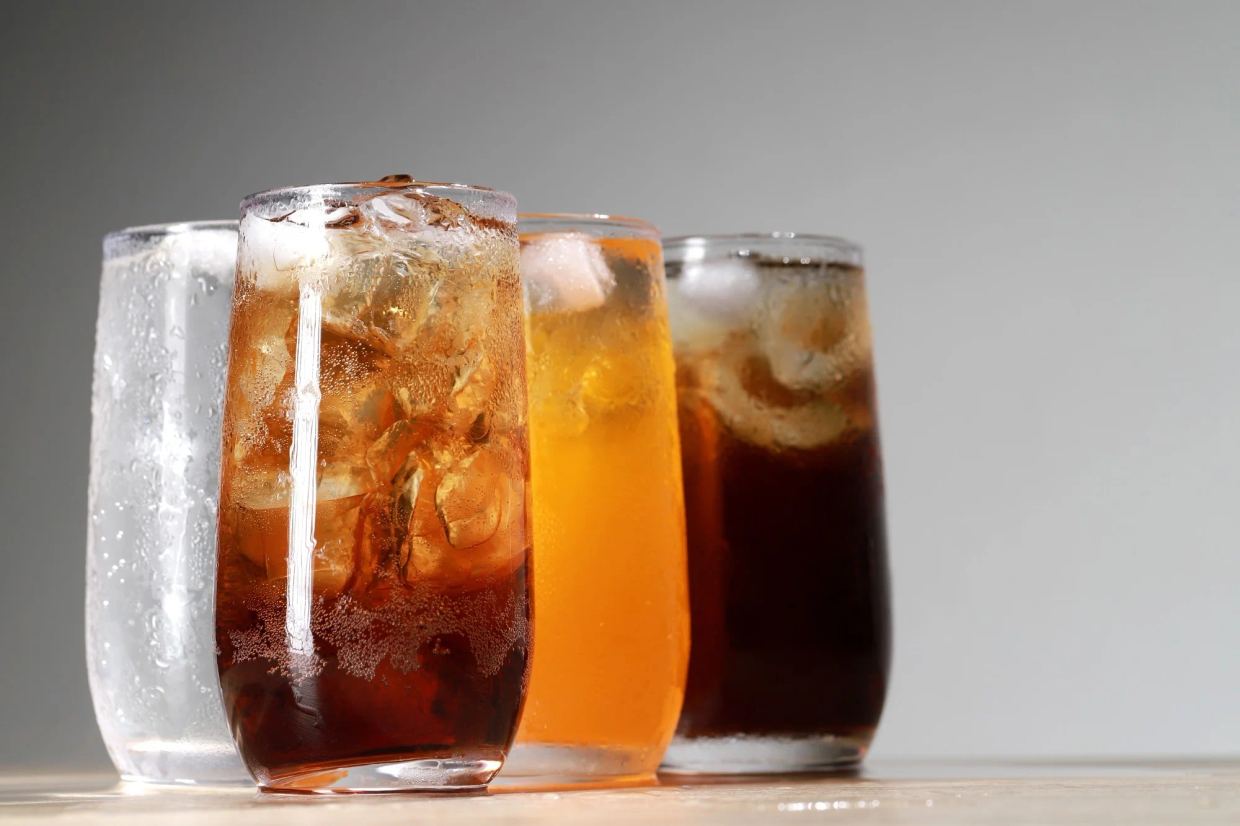
Public health researchers evaluated how warning labels and a hypothetical 20% tax would affect consumer demand for sugar-sweetened beverages (SSBs) and non-sugar sweetened beverages (NSSBs) doi.org
Frontiers in Public Healthdoi.orgOpen source ↗. The findings, published in Frontiers in Public Health, draw on survey responses from a nationally representative sample of 2,876 Australian adults recruited via the Life in Australia panel. Participants were randomly assigned to evaluate either warning labels (n = 1,442) or a 20% tax (n = 1,428), first applied solely to sugary drinks and subsequently extended to artificially sweetened alternatives.
Around 56% of participants reported that warning labels would discourage their sugary drink consumption, compared with 51% in the 20% tax group doi.org
Frontiers in Public Healthdoi.orgOpen source ↗. When policies were extended to cover drinks with non-sugar sweeteners, the perceived discouragement rate dropped to 44% in both cohorts. Younger adults aged 18–34 were 72% more likely to agree that an NSSB tax would deter their intake compared with adults aged 55 and older. Conversely, regular consumers of sugary drinks reported lower responsiveness to warning labels, and residents of disadvantaged areas showed less agreement that taxes would reduce their consumption.
Beverage substitution patterns
More than 80% of participants indicated they would choose at least one alternative beverage if sugary drinks faced labels or taxes doi.org
Frontiers in Public Healthdoi.orgOpen source ↗. Water was the most common substitute across all tested scenarios, selected by 68% to 70% of respondents. However, substantial proportions of participants opted for alternative sweetened beverages: 53% to 58% indicated they would switch to 100% fruit juice, and 43% to 46% selected NSSBs under policies applied only to sugary drinks.
Influence of baseline habits
Prior dietary habits strongly correlated with reported replacement choices doi.org
Frontiers in Public Healthdoi.orgOpen source ↗. Regular consumers of artificially sweetened drinks exhibited roughly sixfold higher odds of choosing NSSBs under warning label policies and ninefold higher odds under tax policies compared to infrequent consumers. Regular sugary drink consumers had approximately 51% lower odds of switching to water under an SSB tax. The authors note the study is based on self-reported intentions in hypothetical scenarios rather than observational purchasing data.