GNU Researchers Develop Ir/NiSe Catalyst for Upcycling PET Glycol and Generating Hydrogen
Chemists synthesized an Ir/NiSe electrocatalyst using pulsed laser liquid ablation, achieving 83.09% Faradaic efficiency for formate production alongside hydrogen.

A research team led by Professor Myong Yong Choi at Gyeongsang National University developed an electrocatalyst that converts ethylene glycol, derived from polyethylene terephthalate (PET) plastic waste, into formate while simultaneously generating hydrogen, knnewstoday reported knnewstoday.co.kr
knnewstodayknnewstoday.co.krOpen source ↗. The findings were published in the journal Angewandte Chemie International Edition on August 20.
Catalyst Synthesis via Laser Ablation
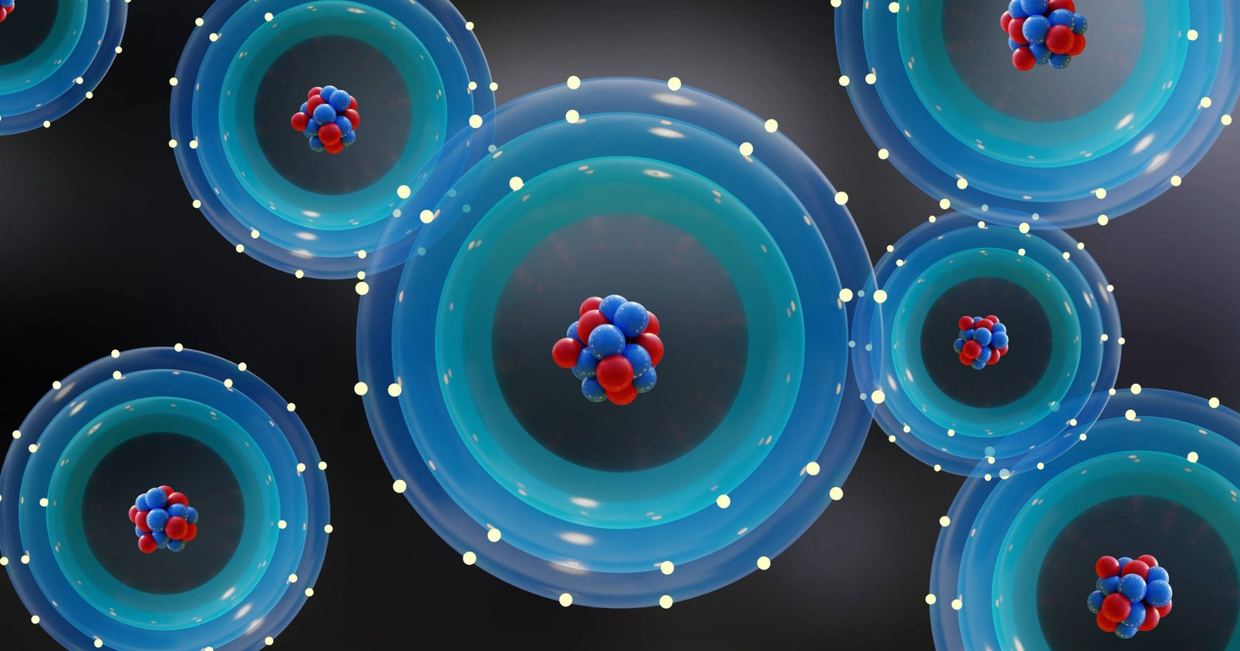
To construct the material, the researchers employed pulsed laser irradiation in liquid (PLIL) to synthesize nickel selenide (NiSe). They then introduced atomically dispersed iridium (Ir) coordinated with selenium (Se) into the nickel sites, forming an Ir/NiSe catalyst knnewstoday.co.kr
knnewstodayknnewstoday.co.krOpen source ↗. The electron-withdrawing nature of iridium alters the electronic environment of adjacent nickel atoms, accelerating the formation of nickel oxyhydroxide (NiOOH) active species during the electrooxidation of ethylene glycol.
Performance and Coproduction Mechanism
Under test conditions at 1.60 V versus the reversible hydrogen electrode (RHE), the catalyst achieved an 83.09% Faradaic efficiency for formate production alongside a formation rate of 1248 µmol cm⁻² h⁻¹ knnewstoday.co.kr
knnewstodayknnewstoday.co.krOpen source ↗. Mechanistic evaluations revealed that ethylene glycol undergoes bidentate adsorption on the catalyst surface and transforms into formate via a glyoxal intermediate
knnewstoday.co.kr
knnewstodayknnewstoday.co.krOpen source ↗.
By coupling the ethylene glycol oxidation reaction at the anode with the hydrogen evolution reaction at the cathode, the team generated both formate and hydrogen gas in an integrated system knnewstoday.co.kr
knnewstodayknnewstoday.co.krOpen source ↗. Additionally, the researchers recovered terephthalic acid (TPA) and potassium diformate (KDF) from the decomposed PET solution, demonstrating a route to combine plastic upcycling with clean fuel and chemical feedstock recovery.