Physicists detect chiral altermagnons in manganese telluride crystal
Researchers identified chiral magnetic excitations in manganese telluride, experimentally confirming signatures of altermagnetism.

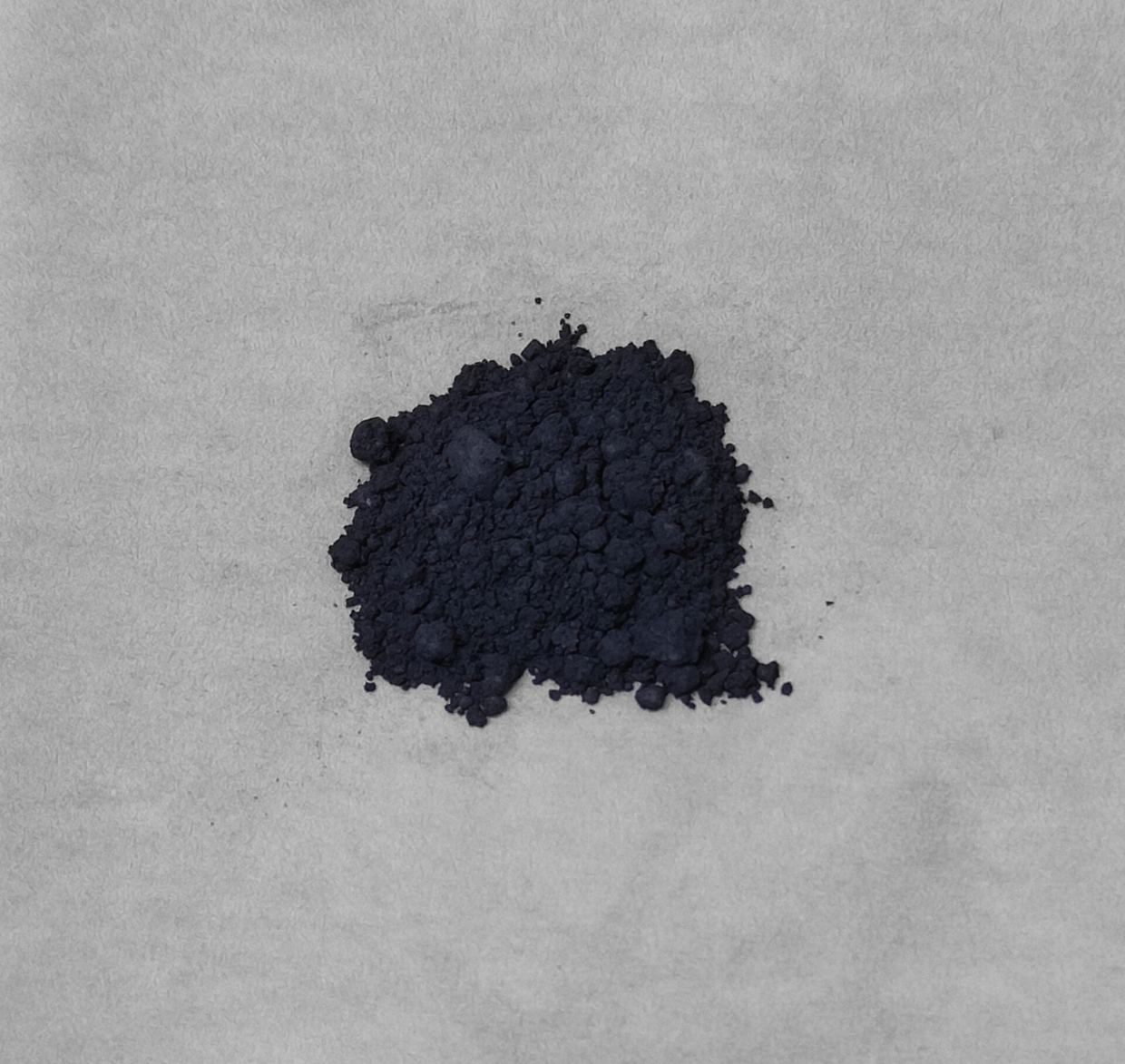
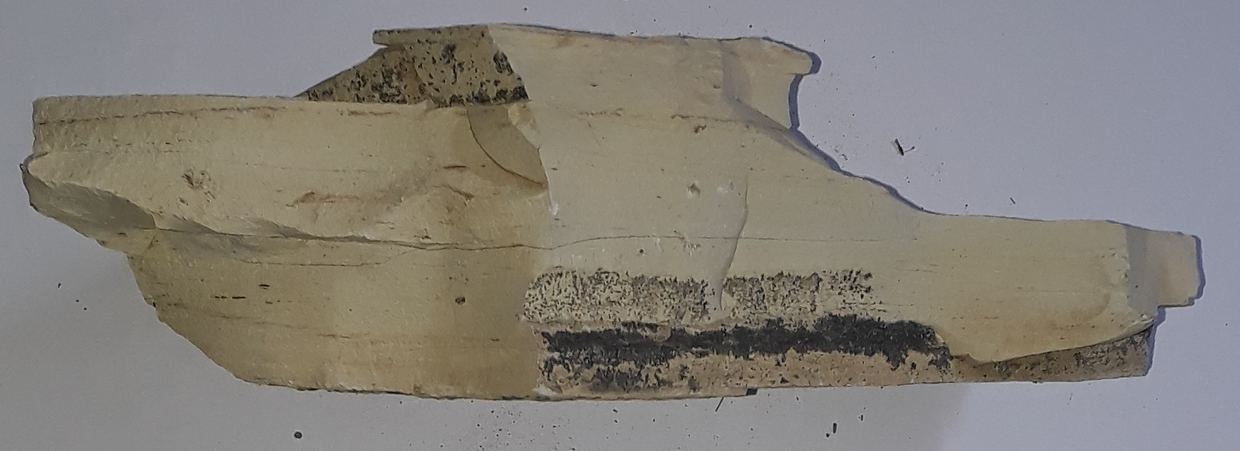
Physicists from the SLAC National Accelerator Laboratory and the European Synchrotron Radiation Facility have detected direct experimental evidence of chiral magnons in manganese telluride (MnTe). The findings, published in Science, verify dynamic spin signatures associated with altermagnetism, an emerging class of magnetic order distinct from conventional ferromagnetism and antiferromagnetism doi.org
Sciencedoi.orgOpen source ↗.
Chiral excitations in altermagnets
Altermagnetism combines characteristics of both ferromagnets and antiferromagnets without exhibiting a net macroscopic magnetization. The crystal structure of manganese telluride enforces alternating magnetic sublattices that link spin directions directly to lattice symmetries doi.org
Sciencedoi.orgOpen source ↗. This structural locking creates momentum-dependent spin splitting characterized by g-wave symmetry. The resulting electronic configuration facilitates the propagation of chiral spin waves, termed chiral altermagnons, which carry spin currents through the material without generating stray external magnetic fields
doi.org
Sciencedoi.orgOpen source ↗.
Resonant x-ray scattering data
The research team detected the magnetic excitations using circular-dichroism resonant inelastic x-ray scattering doi.org
Sciencedoi.orgOpen source ↗. By evaluating the polarization-resolved scattering profiles across momentum space, the experiment revealed discrete chiral modes with pronounced momentum dependence in their spin polarization
doi.org
Sciencedoi.orgOpen source ↗. These polarization measurements directly matched the predicted symmetry conditions of the material's altermagnetic phase. The confirmed existence of chiral altermagnons demonstrates how altermagnetic lattice arrangements dictate spin dynamics, providing experimental foundations for designing future spintronic devices and quantum information technologies
doi.org
Sciencedoi.orgOpen source ↗.