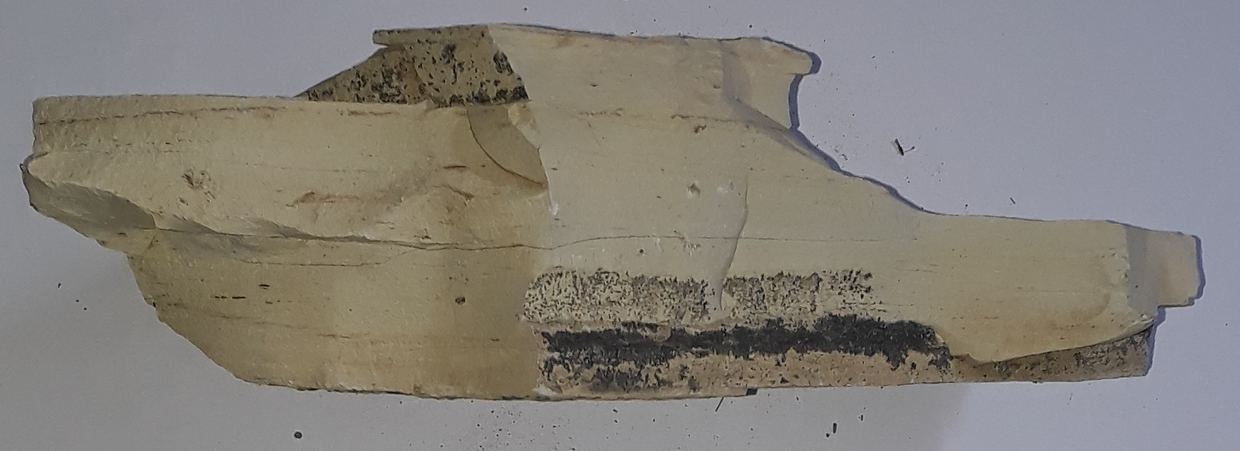
Peking University researchers find ground ice thickening across 35% of Tibetan Plateau permafrost
A reconstruction of borehole and satellite records revealed that ground ice thickened across more than a third of the warming Tibetan Plateau over the past two decades.
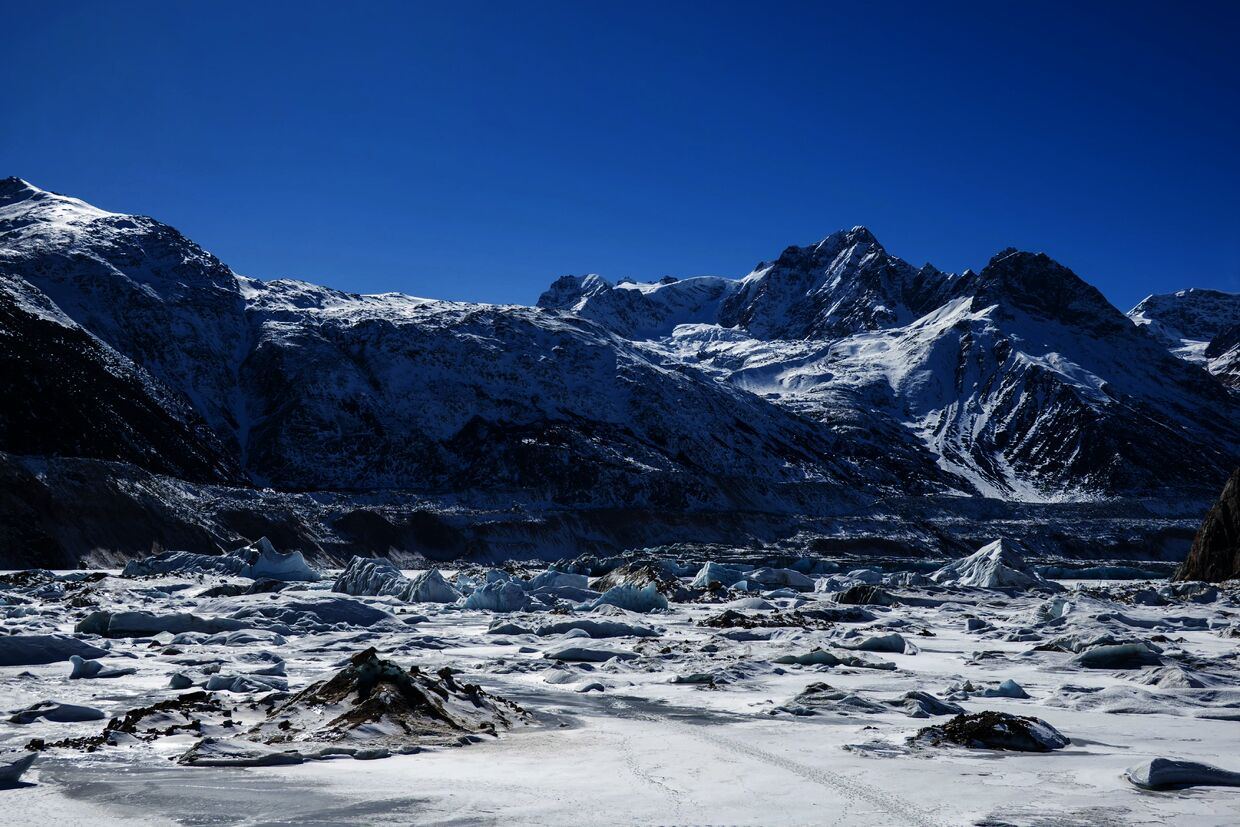
A research team led by Peking University revealed in July that shallow ground ice has accumulated across roughly 35% of the Tibetan Plateau's permafrost over the past two decades, The Star reported. The study, conducted in collaboration with Germany's Alfred Wegener Institute and Nanjing Normal University, reconstructed four decades of near-surface ground ice dynamics between 1979 and 2018 thestar.com.my
The Starthestar.com.myOpen source ↗. The findings emerged despite the region warming at twice the global average rate.
Precipitation and subsurface freezing
To overcome sparse high-altitude monitoring data, the scientists evaluated measurements from 369 boreholes across the plateau's permafrost zones thestar.com.my
The Starthestar.com.myOpen source ↗. Comparing wells drilled before and after 2000 showed higher ice contents in the newer boreholes at depths reaching 3.2 meters. The accumulation concentrated in the plateau's northwestern interior, where meteorological records recorded a 60% surge in annual rainfall and snowfall driven by prevailing westerlies since 2000
thestar.com.my
The Starthestar.com.myOpen source ↗.
According to the authors, surplus surface moisture infiltrates downward through the active ground layer before refreezing at its sub-zero base, progressively expanding existing ground ice reserves thestar.com.my
The Starthestar.com.myOpen source ↗. The researchers noted that while ground ice has expanded in the active layer, the net impact of this gain on the mechanical stability of the underlying permafrost remains an open question that must be integrated into future infrastructure engineering.
Reflective covers on eastern glaciers
Parallel to observational studies, an engineering team from the Chinese Academy of Sciences Northwest Institute of Eco-Environment and Resources tested physical interventions on the plateau's eastern margins in Sichuan province. Since 2022, technicians applied thermal-insulating, reflective nanofilm over glacier surfaces between May and late September each year to limit radiant heat exchange thestar.com.my
The Starthestar.com.myOpen source ↗.
Field measurements confirmed that shielded sections grew by 10 centimeters compared to unprotected surfaces thestar.com.my
The Starthestar.com.myOpen source ↗. The team stated that such covers could extend glacier longevity by three to four times, although logistical constraints prevent broader deployment across remote high-altitude terrain.