Voynich manuscript pages bound in wrong order, researchers say
Two specialists found physical evidence that the 240-page manuscript consists of incorrectly ordered sheets, explaining decodification issues.
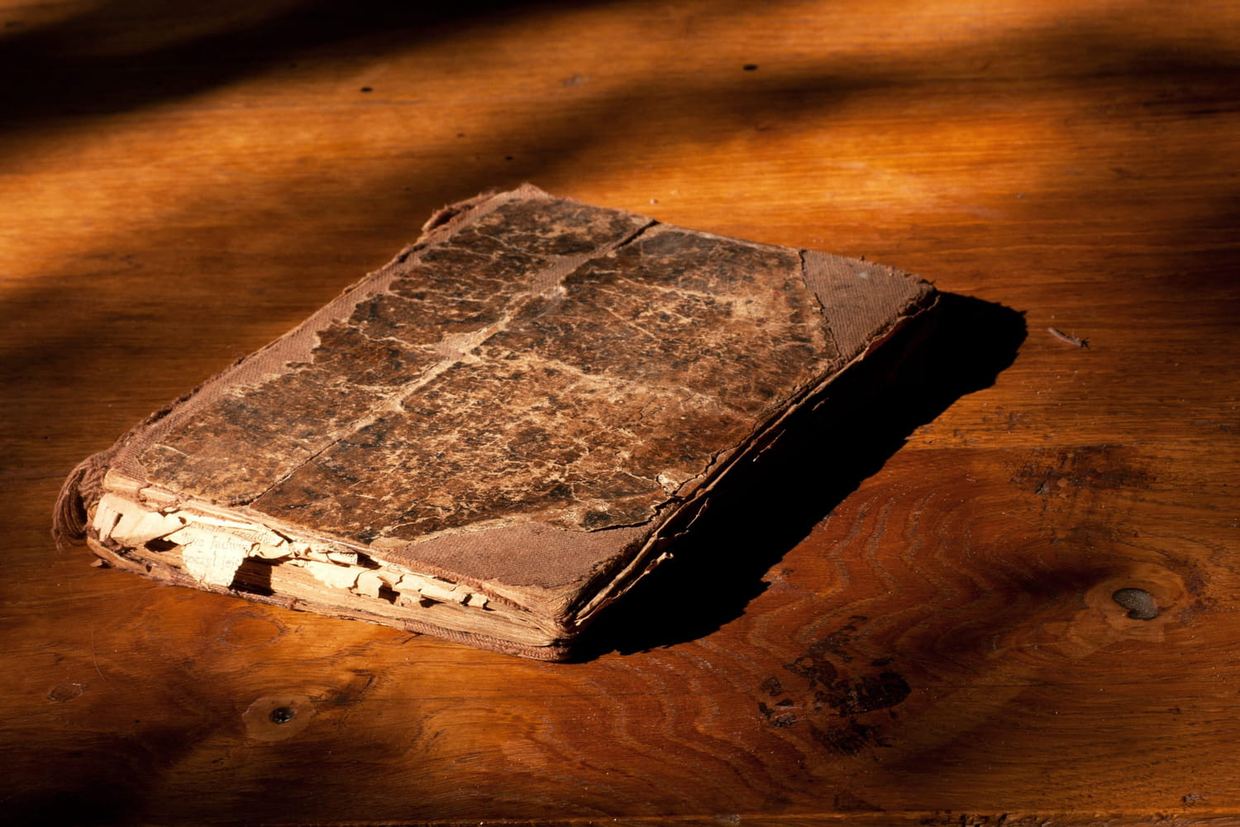
Specialists analyzing the early fifteenth-century Voynich manuscript have identified physical inconsistencies in its binding, according to Journal des Femmes journaldesfemmes.fr
Journal des Femmesjournaldesfemmes.frOpen source ↗. Lisa Fagin Davis from the Medieval Academy of America and Colin Layfield from the University of Malta reported that the 240-page parchment codex, preserved at Yale University since 1969, was originally assembled from individual folded leaves by someone unable to read the text. The work remains indecipherable since its rediscovery in 1912
journaldesfemmes.fr
Journal des Femmesjournaldesfemmes.frOpen source ↗.
Structural and physical anomalies
The researchers based their conclusion on codicological features across the document. In 2020, Davis identified five distinct handwritings in the manuscript journaldesfemmes.fr
Journal des Femmesjournaldesfemmes.frOpen source ↗. Layfield stated that scribes typically worked individually on separate quires, whereas this document mixes different handwritings within linked sections
journaldesfemmes.fr
Journal des Femmesjournaldesfemmes.frOpen source ↗. Furthermore, illustrations split across folios do not line up continuously, reappearing across several intervening pages
journaldesfemmes.fr
Journal des Femmesjournaldesfemmes.frOpen source ↗. A large water stain also exhibits contours that fail to match up between adjacent sheets
journaldesfemmes.fr
Journal des Femmesjournaldesfemmes.frOpen source ↗.
Text analysis and preservation
To verify the hypothesis, the specialists mapped linguistic similarities between disparate folios. Operating under the premise that the text conveys a deliberate message, they found that several separated leaves share strong structural resemblances journaldesfemmes.fr
Journal des Femmesjournaldesfemmes.frOpen source ↗. Although the language remains untranslated, the authors noted that the binding mistake likely preserved the loose leaves from loss over the centuries
journaldesfemmes.fr
Journal des Femmesjournaldesfemmes.frOpen source ↗.