ICAR-CMFRI: Satellite analysis shows mangrove cover expanded in Keralam over the past decade
Remote sensing analysis presented in Kochi shows overall coastal mangrove growth from 2017 to 2026 despite historical losses.
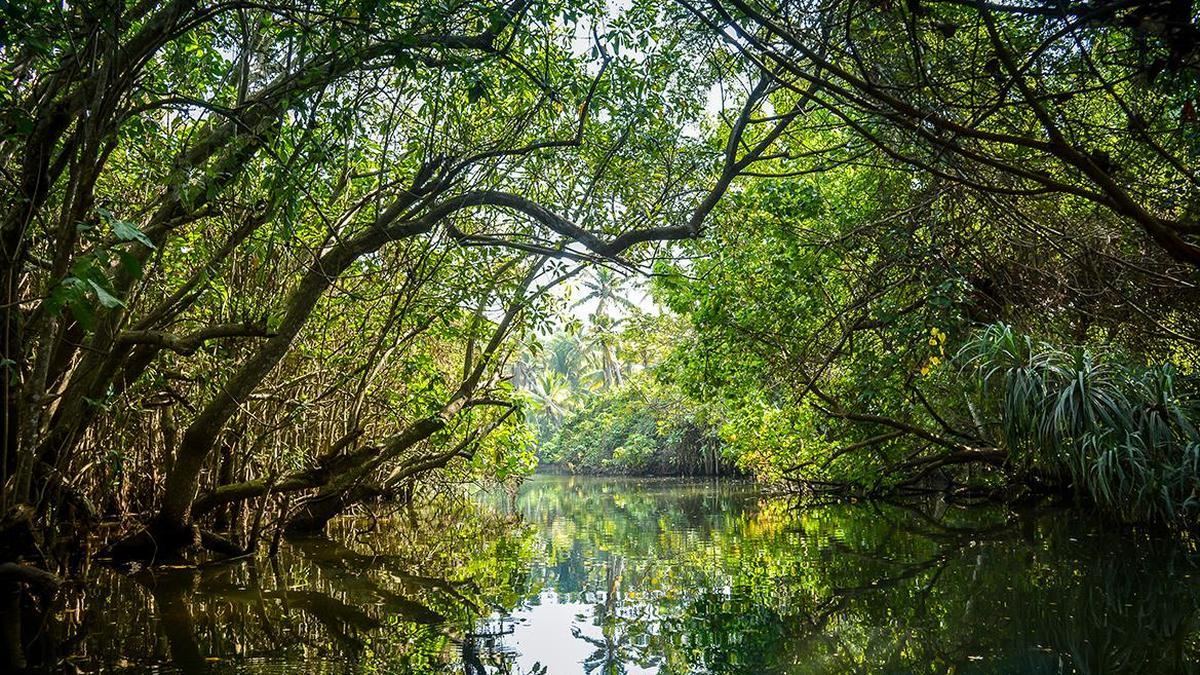
Satellite data analysis conducted by the ICAR-Central Marine Fisheries Research Institute (CMFRI) revealed an overall expansion of mangrove vegetation across coastal districts of Keralam between 2017 and 2026. The findings were presented at an international symposium on fisheries and remote sensing in Kochi, as reported by The Hindu Sci-Tech thehindu.com
The Hindu Sci-Techthehindu.comOpen source ↗.
Satellite mapping and historical context
The assessment tracked coastal vegetation changes by directly comparing high-resolution satellite imagery captured in 2017 and 2026 thehindu.com
The Hindu Sci-Techthehindu.comOpen source ↗. According to the CMFRI statement, the observed positive growth follows a critical historical decline, during which the state lost approximately 90% of its native mangrove forests over the preceding five decades
thehindu.com
The Hindu Sci-Techthehindu.comOpen source ↗.
Researchers emphasized the operational capacity of satellite-based remote sensing to assess habitat recovery and guide ongoing coastal conservation initiatives thehindu.com
The Hindu Sci-Techthehindu.comOpen source ↗. The coastal ecosystem acts as a critical fish breeding habitat, provides natural storm and cyclone surge barriers, and sequesters atmospheric carbon
thehindu.com
The Hindu Sci-Techthehindu.comOpen source ↗.
Regional marine observations
The three-day international event was jointly organized by the Trevor Platt Science Foundation, CUSAT Department of Chemical Oceanography, CMFRI, and the Marine Biological Association of India thehindu.com
The Hindu Sci-Techthehindu.comOpen source ↗.
A related oceanographic report presented at the same forum by Bangladesh's Shahjalal University of Science and Technology documented over 100 marine heatwave events across the Bay of Bengal between 1982 and 2023, noting a continuous increase in both event frequency and cumulative thermal intensity thehindu.com
The Hindu Sci-Techthehindu.comOpen source ↗.