S-5! launches the PVKIT 3.0 rail-less mounting system for metal roofs
The commercial hardware enables direct-attach solar module mounting with an optional 50 mm clearance gap for roof electronics.
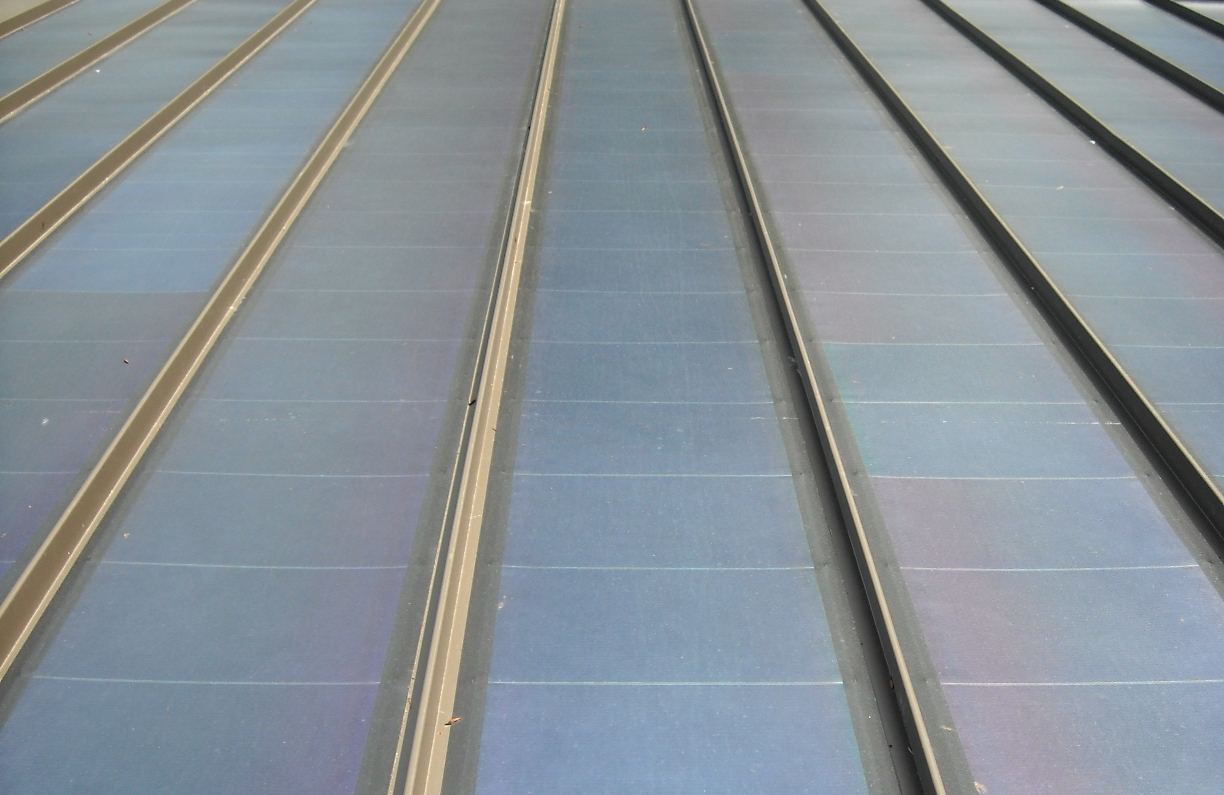
US manufacturer S-5! has unveiled the PVKIT 3.0, a height-adjustable, rail-less solar mounting system designed specifically for metal roofs, according to pv-magazine.com pv-magazine.com
pv-magazine.compv-magazine.comOpen source ↗. The commercial solution addresses the spatial requirements of rooftop photovoltaic installations that incorporate module-level power electronics (MLPE), such as power optimizers and microinverters, alongside complex cable management networks
pv-magazine.com
pv-magazine.compv-magazine.comOpen source ↗.
Clearance options and direct attachment
The PVKIT 3.0 functions as a direct-attach hardware system when paired with the company's proprietary metal clamps and brackets pv-magazine.com
pv-magazine.compv-magazine.comOpen source ↗. For standing-seam and concealed-fastener roofs, the installation process maintains roof integrity via non-penetrating mechanical attachments
pv-magazine.com
pv-magazine.compv-magazine.comOpen source ↗. The manufacturer introduced two operational configurations: a standard profile for flush installation close to the roof deck, and an elevated profile that introduces a fixed 50 mm clearance beneath the array
pv-magazine.com
pv-magazine.compv-magazine.comOpen source ↗.
According to technical specifications published by S-5!, frame compatibility varies depending on the chosen configuration pv-magazine.com
pv-magazine.compv-magazine.comOpen source ↗. The standard setup accepts solar module frame thicknesses between 28 mm and 35 mm
pv-magazine.com
pv-magazine.compv-magazine.comOpen source ↗. The elevated configuration with the 50 mm clearance accepts panel frames ranging from 25 mm to 35 mm, providing room for under-module airflow and hardware placement
pv-magazine.com
pv-magazine.compv-magazine.comOpen source ↗.
Mechanical properties and logistics
The direct-attach approach eliminates conventional mounting rails entirely, removing the need for on-site metal cutting during deployment pv-magazine.com
pv-magazine.compv-magazine.comOpen source ↗. The manufacturer states that the design reduces total mounting system weight, physical volume, and manufacturing carbon footprint by up to 85% compared to traditional rail installations
pv-magazine.com
pv-magazine.compv-magazine.comOpen source ↗. The engineering layout also reduces point load distribution onto the underlying roof structure by 25%
pv-magazine.com
pv-magazine.compv-magazine.comOpen source ↗.
To simplify electrical integration and physical installation, the assemblies are delivered pre-assembled and require a single tool for roof attachment pv-magazine.com
pv-magazine.compv-magazine.comOpen source ↗. Electrical bonding between adjacent aluminum frames relies on integrated stainless steel grounding teeth, which establish continuity directly through the module coatings
pv-magazine.com
pv-magazine.compv-magazine.comOpen source ↗. The company ships the hardware with corrosion-resistant components backed by a lifetime warranty
pv-magazine.com
pv-magazine.compv-magazine.comOpen source ↗.