Sapienza archaeologists find three 2,000-year-old rock-cut tombs near Jericho with wooden coffins
Three rock-cut tombs with wooden coffins, limestone sarcophagi and burial textiles were found at the foot of the Mount of Temptation; their owners are not yet identified.
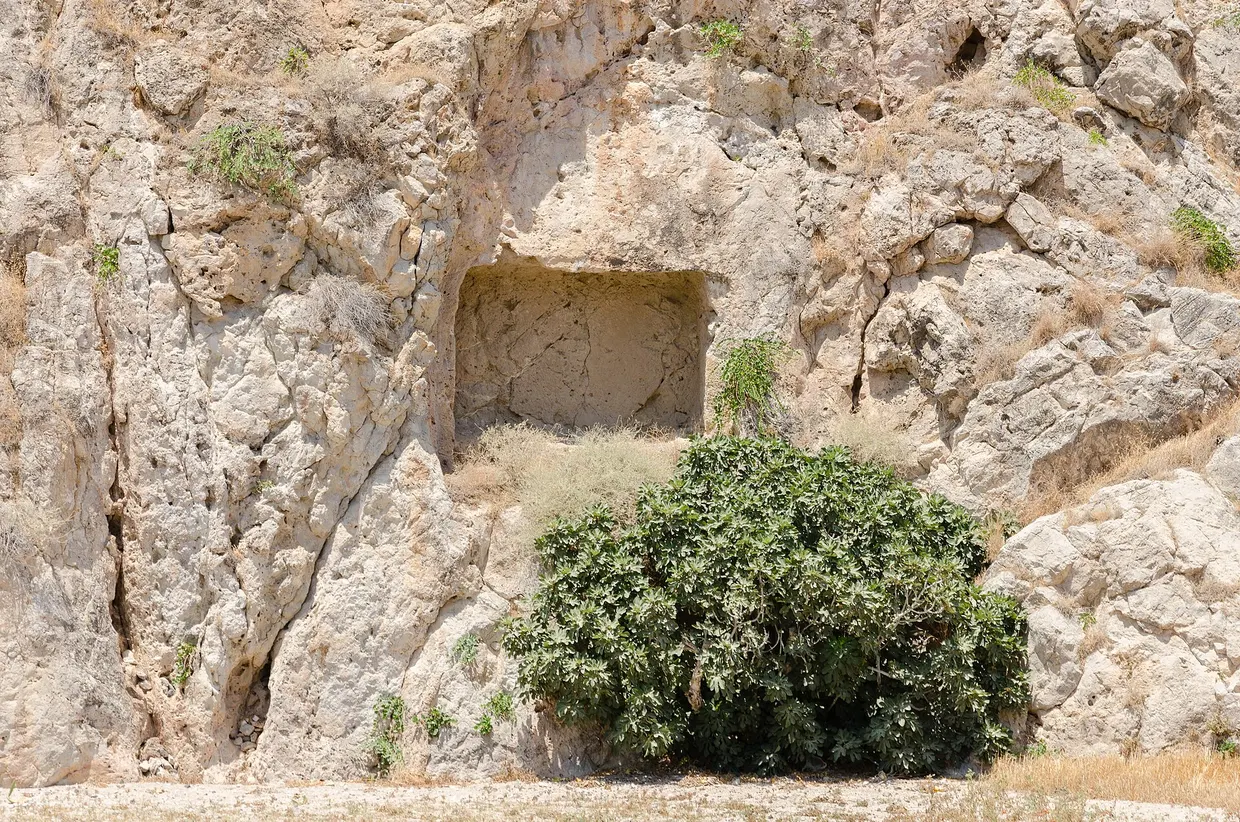
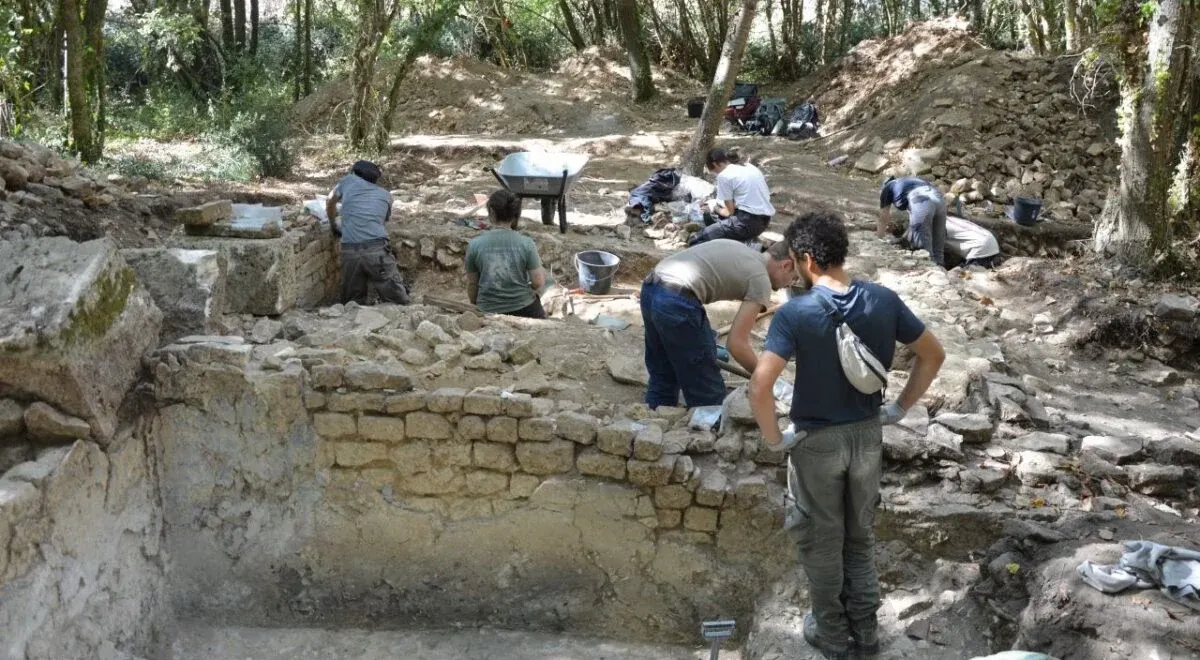
Archaeologists from the Sapienza University of Rome have found three monumental tombs about 2,000 years old near ancient Jericho in Palestine, according to expert.in.ua, citing the university's archaeological mission. expert.in.ua
expert.in.uaexpert.in.uaOpen source ↗ The find was reported by the Palestinian Ministry of Tourism and Antiquities and the mission. The Italian team has worked at ancient Jericho since 1997.
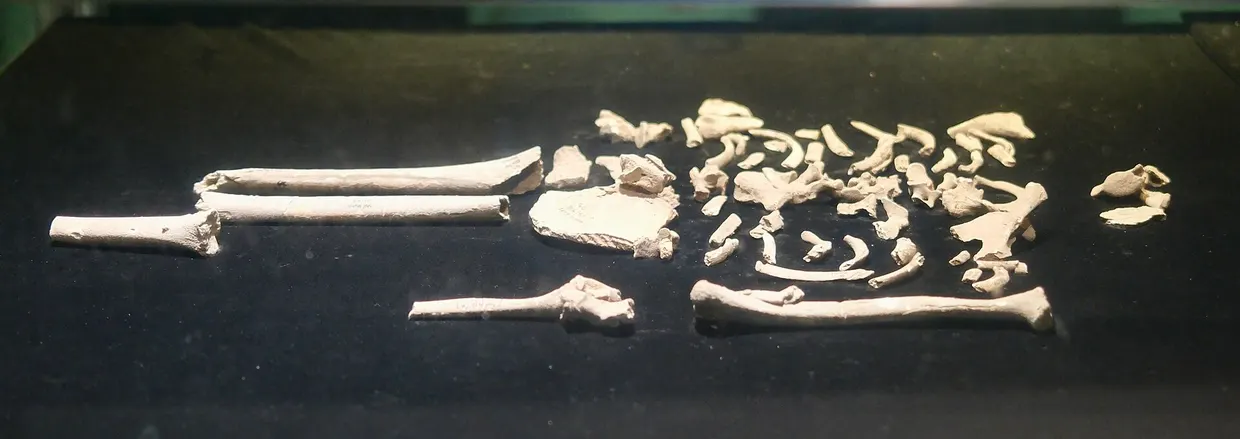
The tombs lie at the foot of the Mount of Temptation, an area that mattered in the reign of Herod the Great. They contain wooden coffins, decorated limestone sarcophagi and remains of fabric and funerary clothing.
Tomb design and finds
All three complexes are cut directly into limestone rock. Each has a central chamber with niches branching off in different directions for burials. Some were originally given monumental facades, but only fragments of one such decoration have been found so far.
The size of the tombs and the number of people buried in them, together with the objects, suggest to the researchers that they belonged to wealthy families. Among possible owners the archaeologists consider members of the Jerusalem aristocracy: influential Jerusalem families owned property in Jericho, and some chose it for burying relatives. expert.in.ua
expert.in.uaexpert.in.uaOpen source ↗ The identities of the people whose remains were found have not yet been established.
The preserved organic materials are of particular interest. Unlike stone structures, wood and textiles allow study of details of burial ritual that usually do not survive for millennia.
Burial customs and Jericho's role
According to the mission, in the earlier period the dead were mostly placed in wooden coffins, a practice used until about 6 CE. Later, limestone sarcophagi with decorative elements became more common.
In the late 1st century BCE and during the 1st century CE, Jericho was among the most important cities of the region, second only to Jerusalem. The Hasmonean dynasty and later Herod built winter palaces there, and the surrounding estates grew dates and produced balsam, a valuable commodity. expert.in.ua
expert.in.uaexpert.in.uaOpen source ↗ Herod died in Jericho in 4 BCE; Judea came under direct Roman rule in 6 CE.
Mission leader Lorenzo Nigro links the significance of the find to the chance to study directly the burials of families mentioned by the historian Josephus. Work continues. The researchers plan to examine the human remains, coffins, textiles and other objects in more detail to establish the origin of those buried and their possible links to the local aristocracy.