Northern Iberia's Iron Age settlements emptied within decades around 400 BCE, 272 radiocarbon dates show
Archaeologist Samuel Nión-Álvarez dated 109 sites: old fortified settlements were abandoned fast, while new ones spread over a much longer period.
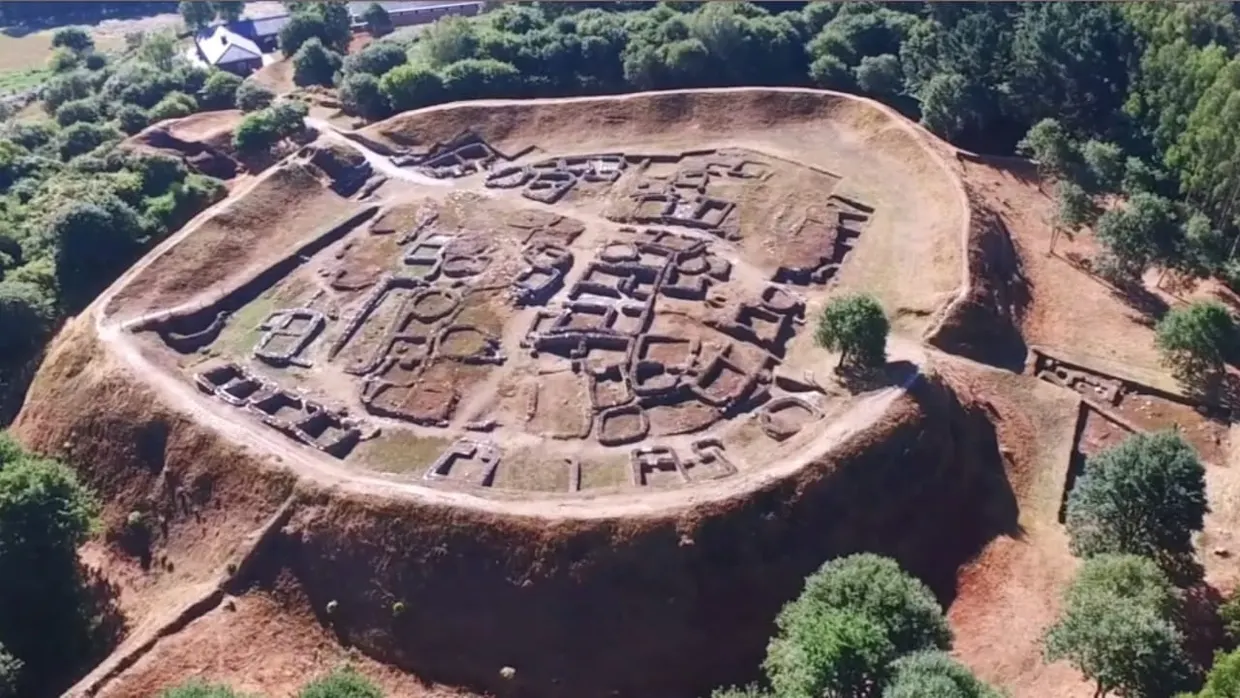
Around 400 BCE, people across northern Iberia left their fortified settlements and built new ones, according to a study described by archaeologymag.com. Samuel Nión-Álvarez of INCIPIT-CSIC built the timeline from 272 radiocarbon dates taken at 109 archaeological sites archaeologymag.com
archaeologymag.comarchaeologymag.comOpen source ↗. The sites lie in five areas: the Atlantic region, the western and eastern Cantabrian regions, and the western and eastern Northern Plateau.
He used Bayesian models and other statistical tests to compare when sites were abandoned with when new ones began. The timing matters because Europe went through major social change around 400 BCE, a period some scholars call the Crisis of the 400s. Climate shifts, migration and conflict have all been blamed, but no cause has been settled, and the changes looked different from place to place.
Abandonment of Early Iron Age sites
The decline started in the western Cantabrian region, where the first sites were left in the late sixth and early fifth centuries BCE. The trend then moved to the Atlantic region and the western Northern Plateau. By the last decades of the fifth century BCE, sites had been abandoned at both the western and eastern edges of the study area.
Most Early Iron Age settlements stood empty in under a hundred years. No single date marks the break: each region went through its own sharp change over a few decades, and the older and newer phases barely overlapped archaeologymag.com
archaeologymag.comarchaeologymag.comOpen source ↗. In a few places, people later returned to abandoned sites.
Slower rebuilding and a reusable method
New settlements began to appear in the early fourth century BCE, first in the western Cantabrian and Atlantic regions. Larger settlements followed, many with defensive walls and closer to good farmland. They spread over a much longer stretch of time and moved across the Northern Plateau. In the far east, fortified settlements became common only around the start of the third century BCE.
Short-term camps, ritual sites and burials also appear in the record, mostly in the Atlantic region, with dates overlapping the fading of the older settlements. Other parts of the Cantabrian coast have too little evidence to say whether the same happened there. Late Iron Age settlements were bigger and more complex, and some regions saw wider gaps between rich and poor; this pattern lasted until Roman times.
The study does not say why people left. War, population growth and shifting social structures are all possible, and the early decline of hillforts in Asturias remains unexplained. The paper also offers a method that combines radiocarbon models with estimates of how much date ranges overlap, showing whether events happened together, in sequence or at separate times in different regions archaeologymag.com
archaeologymag.comarchaeologymag.comOpen source ↗.