Study of 486 portraits from 1650–1950: painted women's curves became less pronounced over three centuries
Researchers at Northumbria University had over 1,500 participants rate painted women: later portraits show a smaller waist-to-hip difference, while perceived weight stayed stable.
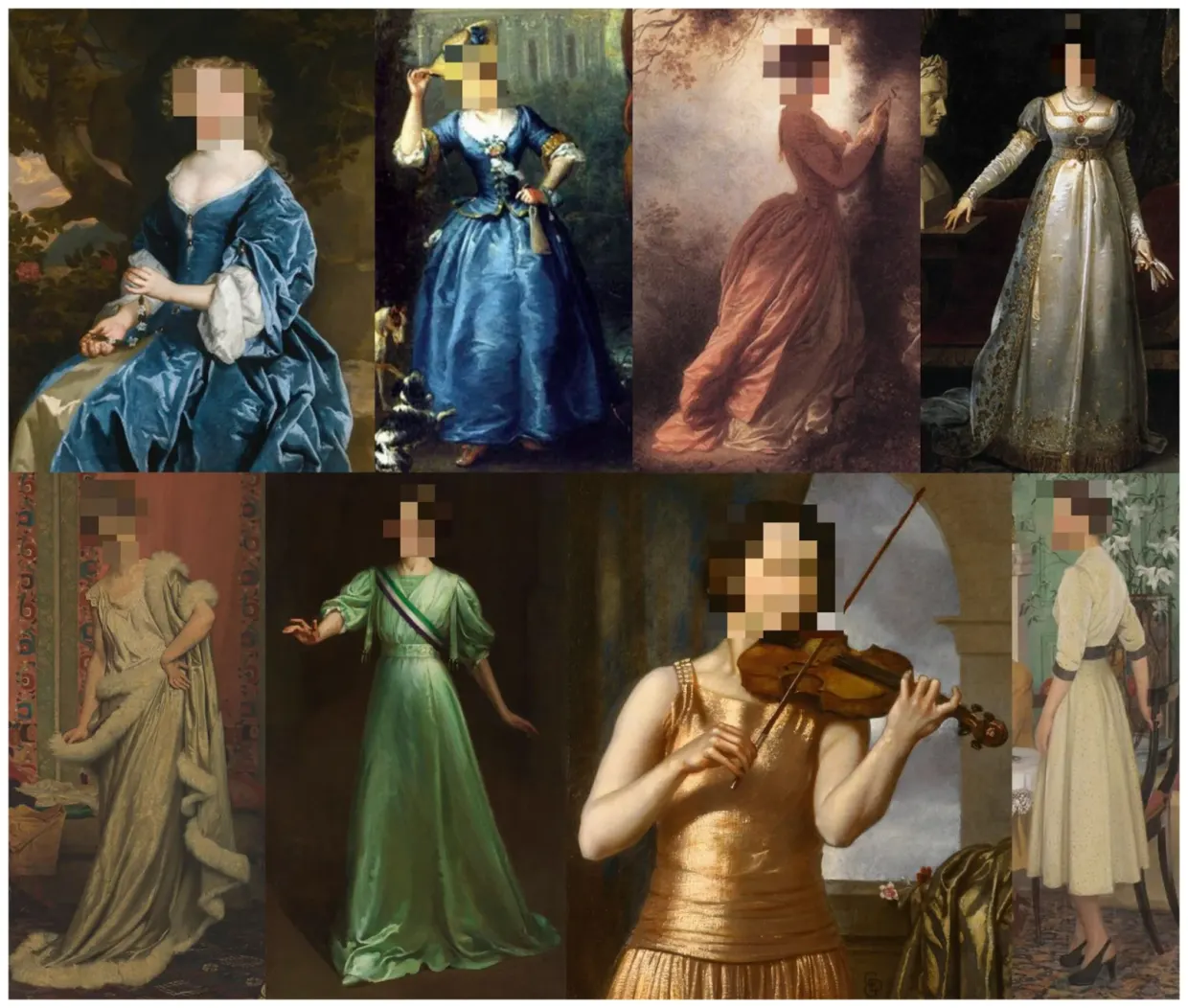
A preference for less pronounced female curves and a waist that is less narrow relative to the hips formed long before magazines, cinema and social networks, according to news.am. This is the conclusion of the authors of a study published in Proceedings of the Royal Society B: Biological Sciences. They analysed more than 600 portraits of wealthy women painted between 1650 and 1950 news.am
news.amnews.amOpen source ↗.
The work was carried out by a group from Northumbria University in the UK, led by Jeanne Bovet. In total, more than 1,500 participants rated women depicted in 486 paintings.
How the portraits were rated
Participants were split into tasks. Some determined the body-shape features of the sitters, others rated attractiveness and guessed whether the women had previously given birth, and a third group estimated age from facial features.
To describe body shape, participants compared each image with nine silhouettes that differed in weight and in waist-to-hip ratio, and chose the closest match. The researchers then tracked how the ratings changed over three centuries, taking into account the sitters' estimated age and weight news.am
news.amnews.amOpen source ↗.
What changed over three centuries
Women in later portraits were more often shown with less pronounced curves and a less noticeable difference between waist and hips. The trend held after the models' age and estimated weight were accounted for.
Participants also rated the bodies in later portraits as less attractive, but this was largely explained by the sitters looking older. The authors found no substantial change in perceived weight across the three centuries. Less pronounced curves therefore did not necessarily mean that women began to be depicted as thinner.
Limits of the method
The authors stress that the study cannot show how real women's bodies changed. They examined the images themselves, which could be affected by clothing, poses, artistic devices and the aesthetic ideas of the period news.am
news.amnews.amOpen source ↗.
"We aim to capture the cultural signal received by the viewer, regardless of the means used to create it, be it layers of clothing, corsets or artistic intent," the researchers explain.
The authors say this approach could also be applied to other historical shifts in aesthetic preferences. Analysing works of art makes it possible to quantify how ideas of attractiveness changed in societies long before modern mass media appeared.