Copenhagen team: 296 Corded Ware graves in Bohemia show social inequality grew gradually
Using the QuantWealth method and Y-chromosome data, researchers traced wealth display in Bohemian graves of 2,900–2,300 BCE. The authors report that inequality developed over centuries.
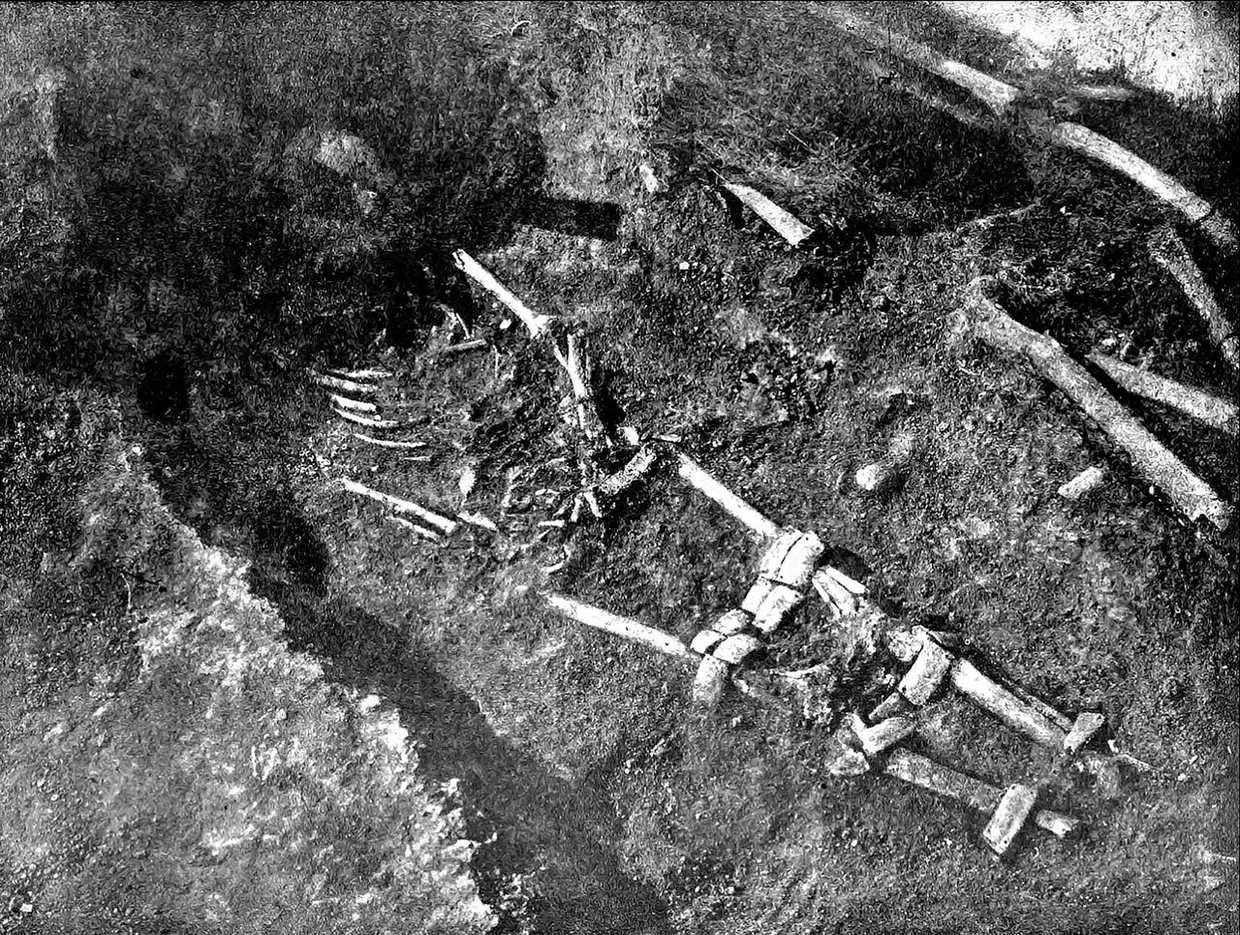
Researchers from the University of Copenhagen and the Max Planck Institute for Evolutionary Anthropology analysed 296 Corded Ware burials in Bohemia dated to roughly 2,900–2,300 BCE, according to a EurekAlert release of 12 November 2026 eurekalert.org
EurekAlerteurekalert.orgOpen source ↗. The work was published in Journal of Neolithic Archaeology. The authors report that social inequality emerged gradually over several centuries after migrations from the steppe.
QuantWealth method and genetic data
The QuantWealth method was developed by archaeologist Mikkel Nørtoft in his PhD thesis. Instead of simply counting grave goods, it combines several indicators: the number and exclusivity of goods, the labour needed to make them, access to long-distance exchange networks, evidence of feasting and the effort invested in building the grave. These indicators are then processed with statistical analyses to map wealth and social differentiation through time.
The grave analyses were compared with genetic ancestry and Y-chromosome patterns of the skeletal remains, which track paternal lineages, as well as with pathologies, age and gender. Nørtoft and geneticist Adam B. Rohrlach carried out the analysis.
Three phases of burial wealth
In the first phase, around 2,900–2,700 BCE, the earliest herder communities in Bohemia appear to have focused on social cohesion. According to the authors, they used shared burial rituals and earthen mounds, with few grave goods eurekalert.org
EurekAlerteurekalert.orgOpen source ↗. Wealth differences were small and mostly related to age. Power seems to have been spread across several steppe-derived lineages, with little gender inequality.
Around 2,700–2,500 BCE, funerary competition intensified after a new lineage appeared. The researchers found growing concentrations of prestige items and meat offerings, expanding exchange networks and increasing gender inequality. Adult men were more often buried with rich grave goods, and younger adults were the most frequent in the graves. Skeletal trauma did not show a clear increase in violence.
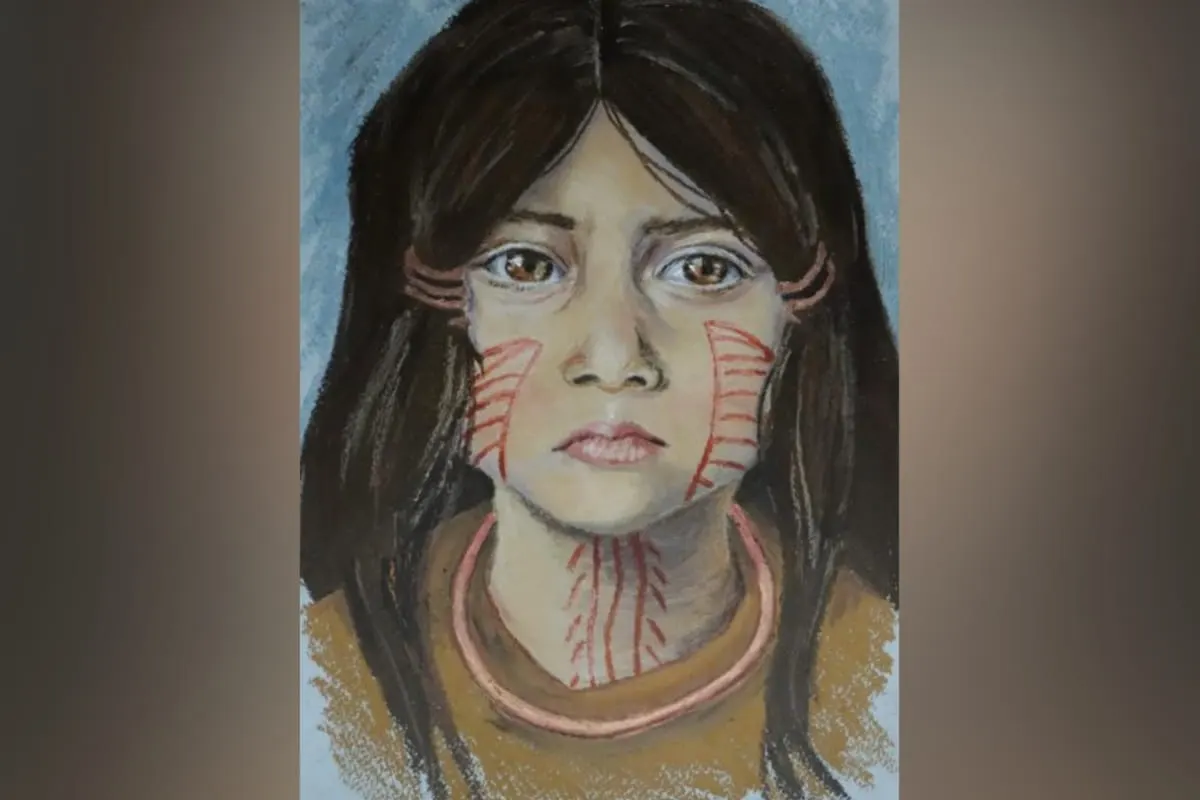
In the final phase, roughly 2,500–2,300 BCE, a few rich child graves appear, and the new lineage dominates the burial record. The richest grave in the study, a girl's burial at Čachovice, contained a rare copper neck ring. The authors say this may indicate more inherited wealth and the emergence of more persistent inequality.
Nørtoft notes that the link between changing Y-haplogroup lineages and unequal burial wealth is so far established for one region. Confirming it at the family level and elsewhere requires more DNA data eurekalert.org
EurekAlerteurekalert.orgOpen source ↗.