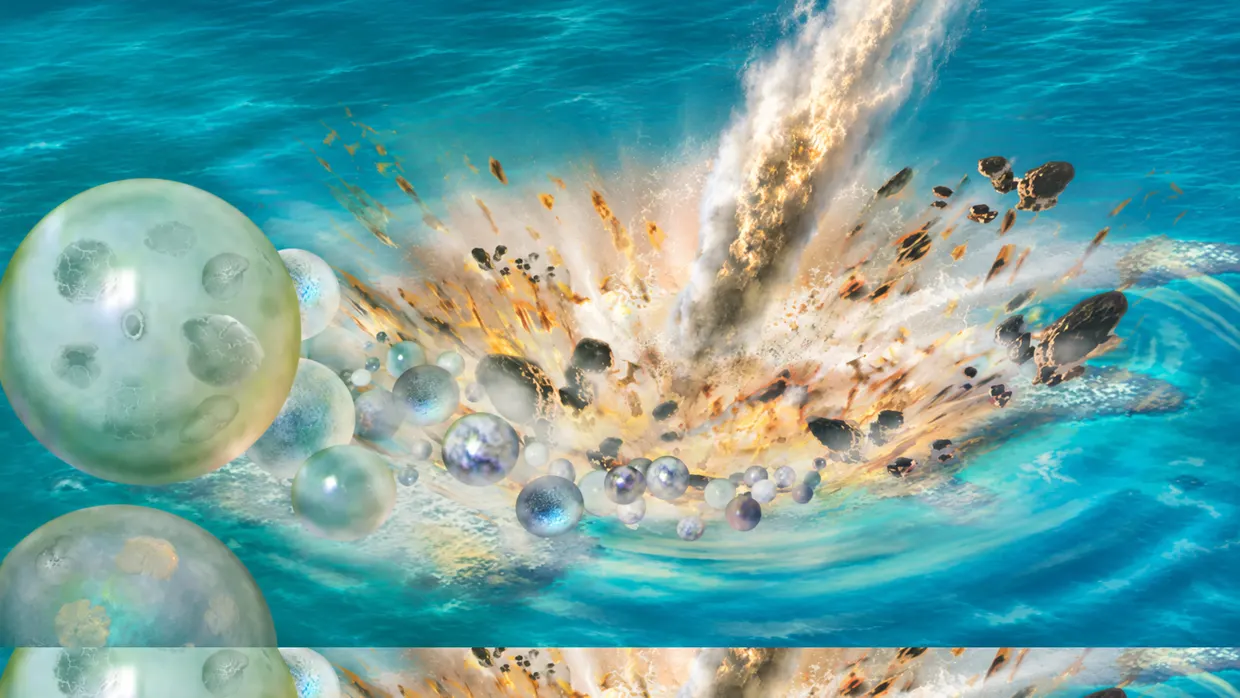
Mantle convection models explain origin of the Great Unconformity
Numerical simulations link dynamic continental uplift and subsidence driven by mantle convection to widespread erosional gaps over 200 million years long.
Geophysicists have demonstrated that continental-scale vertical motions driven by deep mantle convection can account for the formation and preservation of the Great Unconformity, according to a study published on nature.com nature.com
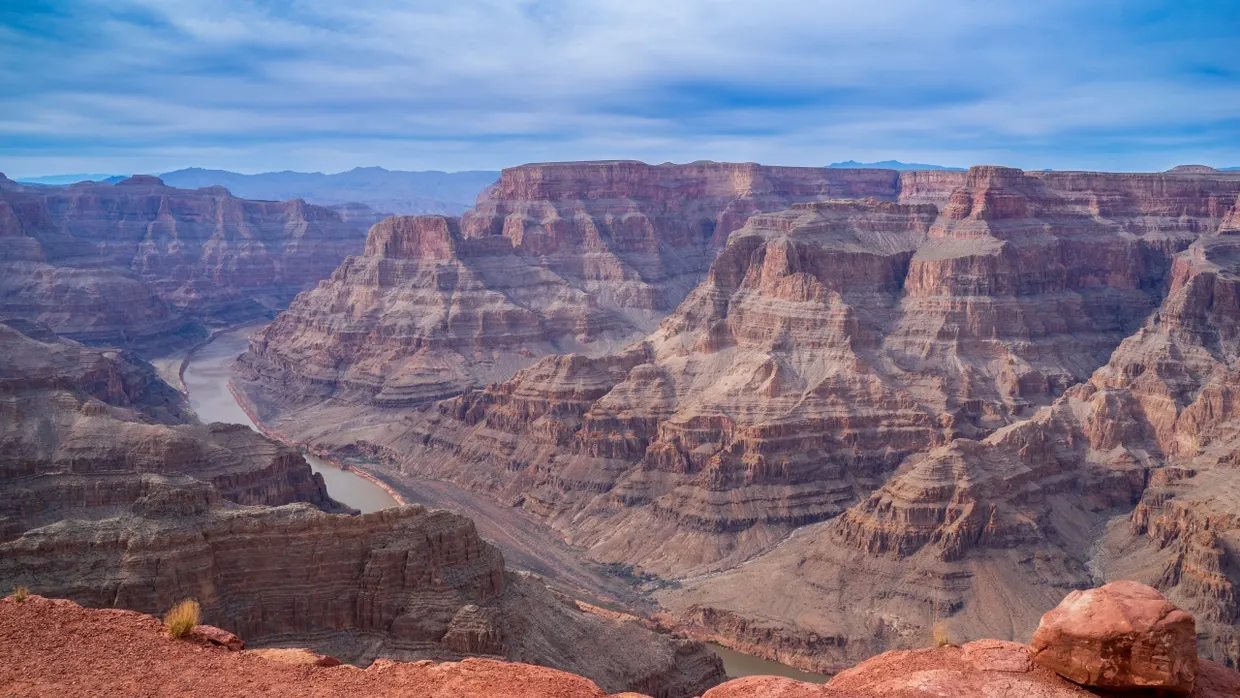
nature.comnature.comOpen source ↗. This stratigraphic phenomenon, first recognized in the Grand Canyon, denotes an erosional or non-depositional temporal gap spanning 200 million years or more across the Precambrian–Phanerozoic transition. By applying paleogeographically constrained numerical models initialized at 1 billion years ago, researchers tested how deep thermal buoyancy generates transient dynamic topography over thousands of kilometers.
Mantle-driven dynamic topography
The team constructed six mantle convection scenarios (M1–M6) evaluated against tomographic data of large low-shear velocity provinces in the lower mantle. The preferred simulation computes dynamic topography driven by viscosity structures and buoyancy sources deeper than 350 km. The calculations show that long-wavelength upwelling caused sustained uplift across large paleocontinents, including Laurentia, Baltica, and North China, during Neoproterozoic and Cryogenian times. This prolonged continental elevation exposed the Precambrian crystalline basement to intensified subaerial and glacial denudation.
Subsidence and sedimentary preservation
Following the phase of widespread erosion, the dynamic models predict long-term Phanerozoic subsidence as convective patterns shifted. This downward movement allowed shallow seas to transgress across eroded basements, depositing younger Ediacaran to Early Ordovician sediments directly on ancient rock platforms. The onset of this sedimentary cycle correlates with observations that the global preserved sedimentary volume more than doubled across the Precambrian–Phanerozoic boundary. The massive footprint of Laurentia alongside limited margin deformation explains why this surface boundary is exceptionally preserved in modern North America.