Font Major cave in Catalonia holds 280 Palaeolithic motifs, including 55 animal figures
A study in Antiquity describes 280 engraved motifs found in 2019 in Espluga de Francolí; previously only two Palaeolithic wall images were known in Catalonia.
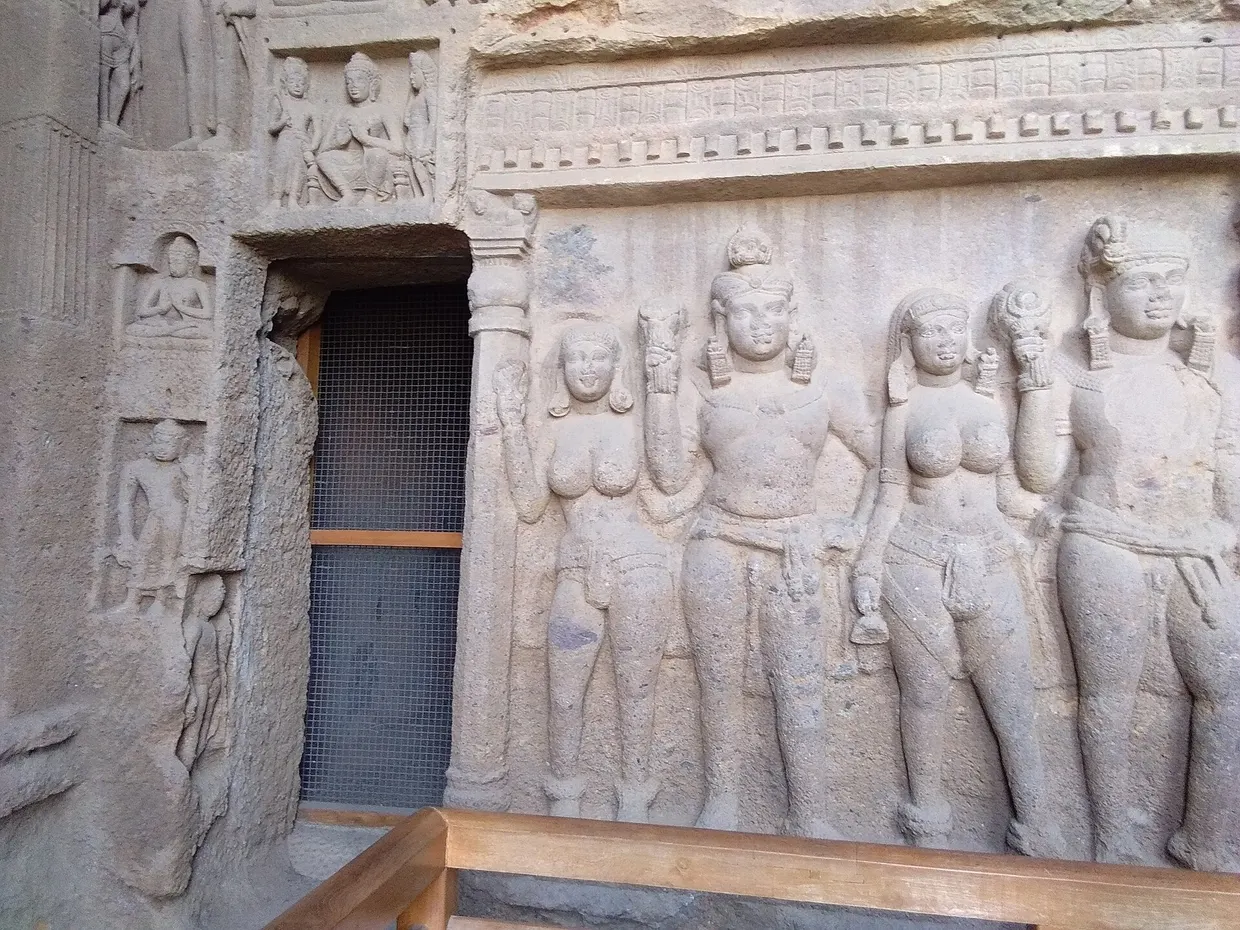
Archaeologists Josep Maria Vergès Bosch and Míriam Salas-Altès have published a detailed analysis of Palaeolithic engravings in the Cova de la Font Major, in Espluga de Francolí, Catalonia. The study appeared in the journal Antiquity, and actu.fr reports on it. The researchers recorded 280 graphic elements, including 55 animal figures and various non-figurative images actu.fr
actu.fractu.frOpen source ↗.
Until recently, only two wall representations attributed to the Upper Palaeolithic were known in Catalonia. According to the authors, the new ensemble is one of the most significant Palaeolithic cave art sites of the Iberian Mediterranean and challenges the view that rock art in north-eastern Spain is rare.
The cave and the discovery
The cave lies 410 m above sea level. In 1993 it was turned into a museum, and minor archaeological work accompanied the museum fit-out and later extensions in 1993, 1997, 1998, 1999 and 2011.
The engravings were found by chance on 30 October 2019, during the first excavation campaign. Vergès Bosch was visiting a sector called Gatoneres de Cal Palletes. Among the many modern engravings and graffiti covering large parts of the walls, he noticed several with Palaeolithic characteristics actu.fr
actu.fractu.frOpen source ↗.
Motifs and dating
The 280 elements are spread over five sectors of the cave, about 250 metres from its present entrance. The animals identified include horses, deer, bovids and goat-like animals, as well as a bear. Some engravings were hard to identify because internal anatomical details such as eyes, nostrils, hooves, mane and coat are shown only to a limited extent.
Radiocarbon dating of the deepest galleries indicates human activity between about 40,800 and 25,900 years before our era. The site is therefore important for understanding the early Upper Palaeolithic in southern Catalonia, a territory traditionally regarded as marginal in that period.
The find also raises the question of how archaeologists identify prehistoric art. For years, researchers considered the irregular cave walls unsuitable for large-scale engraving, and modern graffiti and visitor damage further complicated the recognition of ancient figures actu.fr
actu.fractu.frOpen source ↗.