Archaeologists find coral fragment in Vix tomb soil, likely from the Vix krater handles
A coral piece just over 1 centimeter across, found in soil screened after the 2019 excavation, appears to match sockets on the handles of the Vix krater.
Archaeologists have recovered a semi-circular coral fragment, just over 1 centimeter in diameter, from soil screened after the 2019 excavation of the Lady of Vix tomb in eastern France, according to dailygalaxy.com. Its shape appears to match the round sockets on the handles of the Vix krater, a large Greek mixing bowl buried with the woman dailygalaxy.com
dailygalaxy.comdailygalaxy.comOpen source ↗. The soil had been shoveled back into the tomb after the original excavation in 1953.
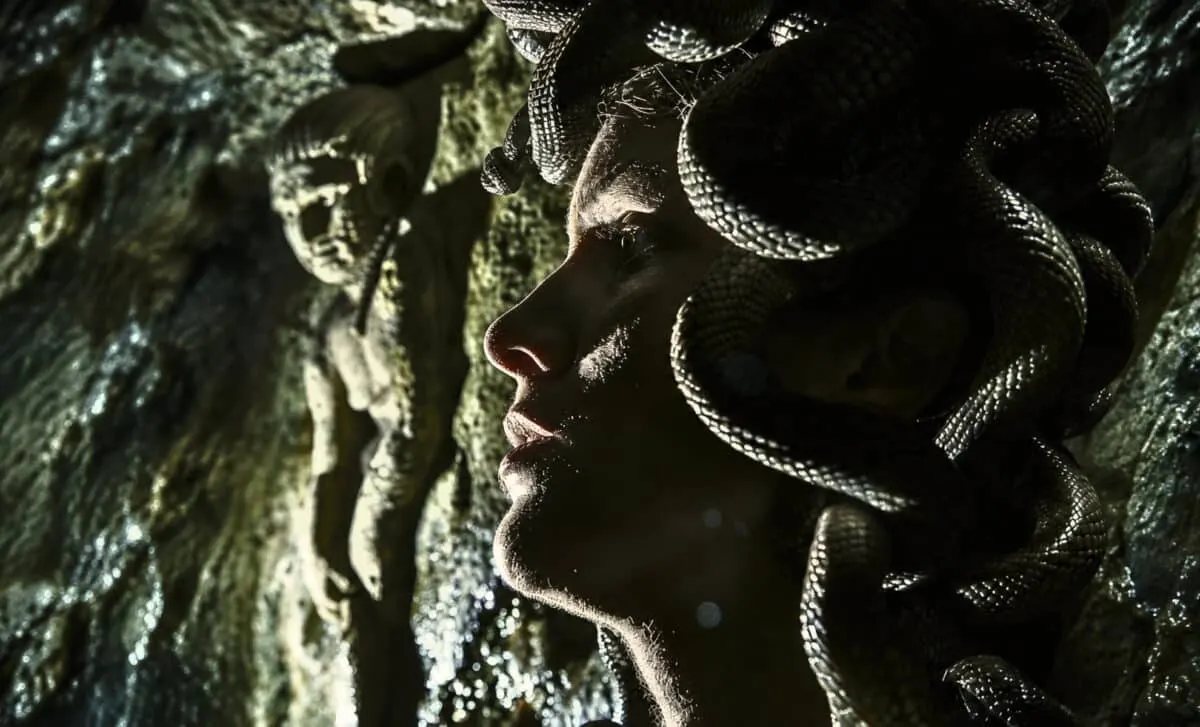
The handles carry faces of the Gorgon Medusa, according to the Musée du Pays Châtillonnais, where the treasure is kept. The fragment is now off-white, but it was originally bright red. Bastien Dubuis of Inrap, who directed the latest excavation, believes the color was chosen deliberately: red coral beside each head may have represented Medusa's blood turned to stone. In Ovid's account, her blood soaked into seaweed, which hardened into coral. This remains an interpretation, since no inscription or other conclusive evidence has been found.
Soil sifted again
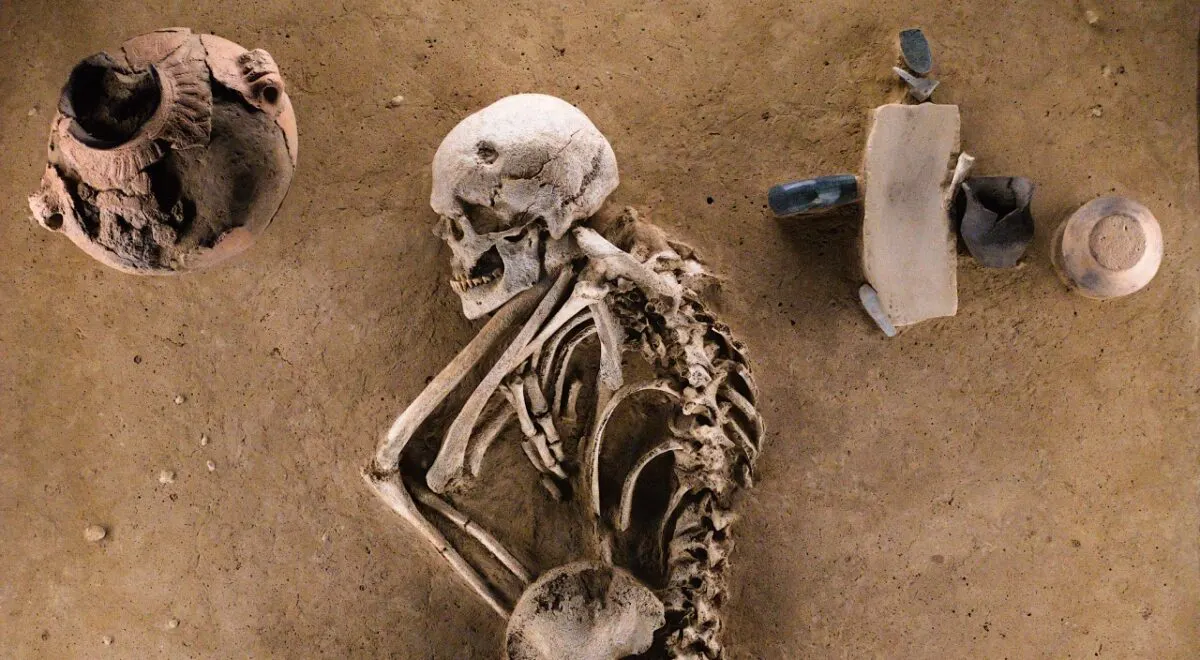
In 1953, René Joffroy and Maurice Moisson opened the tomb near Mont Lassois in the Côte-d'Or region. They found a gold torc, vessels, a four-wheeled ceremonial chariot and the remains of a woman. The work was done in winter on waterlogged ground and had to be quick, so much of the removed soil was shoveled back.
In 2019, archaeologists collected approximately 72 large bags of soil and sifted it through screens with 3 mm openings. They found about 2000 previously overlooked fragments, including chariot metal, bronze nails, pieces of vessels and fibulae. Fragments of sapropelite bracelets were traced to the Dorset coast of southern England. A 7 mm bronze fragment proved to be the fingers of the left hand of the female figurine on the krater's lid; her thumb was found among objects in museum storage. Archaeologists now suspect the figure held both hands open dailygalaxy.com
dailygalaxy.comdailygalaxy.comOpen source ↗.
The krater and the burial date
The Vix krater is 1.64 meters high, holds 1100 liters and weighs 208.6 kilograms. It is made from a single bronze sheet 1.2 millimeters thick. Its place of manufacture is disputed: some researchers favor workshops around Poseidonia in southern Italy, others northern Ionia near Phokaia. Dubuis dates it to approximately 540 BC. Chemical tests found traces of pitch and black grapes but no markers of fermentation; past cleaning may have removed some residues.
The woman was around 40 years old at death. The number of known fibulae from the tomb has doubled, from 8 to 16, and their dating suggests she was not buried before 470 BC, rather than around 500 BC. DNA from one of her teeth showed she was neither the mother nor the grandmother of the prince buried at Lavau, a tomb found in 2015 roughly 40 miles north of Vix.