Phenazine mediators from flow-battery electrolytes selectively hydrogenate nitro compounds at a water–organic interface
Aqueous phenazine catholytes from redox-flow batteries reduced nitroarenes and nitroalkanes selectively at high substrate concentrations and mild conditions, including in a continuous flow setup.
Researchers have repurposed aqueous phenazine catholytes, known from aqueous–organic redox-flow batteries, as metal-free mediators for the hydrogenation of nitro compounds. The work was published in Nature Catalysis and is available via doi.org; the abstract was used as the primary source for this report nature.com
doi.orgnature.comOpen source ↗.
Mediated organic electrosynthesis allows mild redox transformations, but many methods are limited by mediator stability, the high resistance of organic solutions and problems with membrane and electrode compatibility, according to the authors.
Biphasic ex-cell design
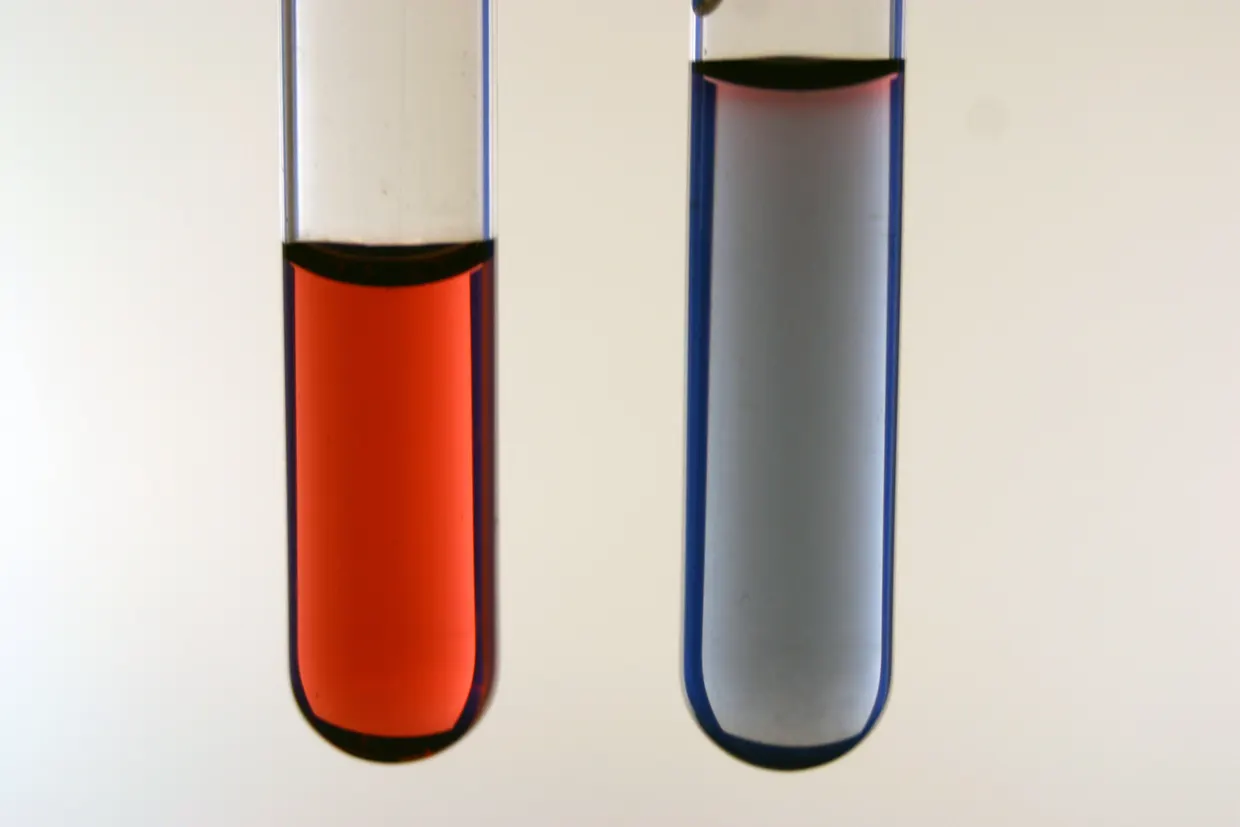
The authors propose a biphasic ex-cell strategy. Electrochemical regeneration of the mediator is separated in space from the reduction of the organic substrate. The phenazine catholyte is regenerated electrochemically in the aqueous phase and then acts as a reductant toward the organic phase.
As described in the publication's summary, this arrangement keeps electrodes and membranes out of direct contact with organic substrates and solvents. The authors report exceptionally selective hydrogenation of nitroarenes and nitroalkanes at high substrate concentrations and under mild conditions. They also report excellent mediator recyclability and low catalyst loadings nature.com
doi.orgnature.comOpen source ↗.
Interfacial mechanism and flow operation
Mechanistic studies examined the proton-coupled electron transfer step within the aqueous diffusion layer at the liquid–liquid interface. According to the authors, mediator structure and solvent identity modulate reactivity through interfacial adsorption, which they describe as a mode of control.
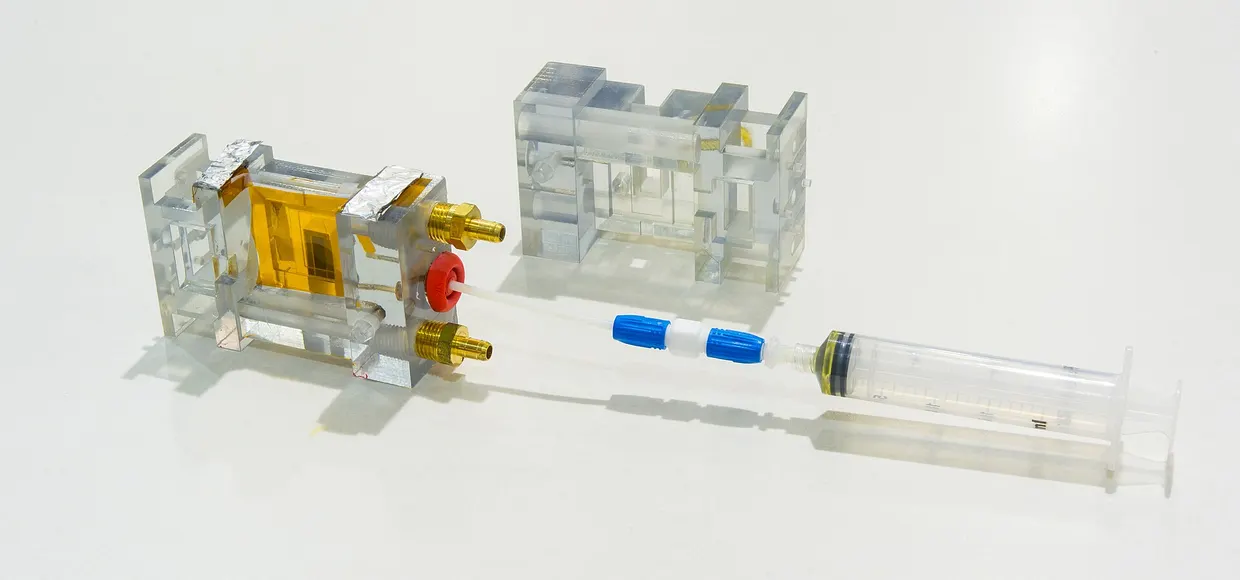
The robustness of the aqueous phenazine mediator allowed operation in flow. The team used a coupled system of an electrochemical cell, a mixer and a settler. In the reported setup, phase separation was automated and the aqueous catholyte was recycled continuously at low mediator loading.
A technoeconomic analysis indicated competitive costs that depend strongly on mediator stability, the authors report nature.com
doi.orgnature.comOpen source ↗. The full text of the article is behind a subscription, so details of substrates, yields and process parameters are not covered here.