Meijo University finds bromochloropyrene in Tokyo Bay soils and Nagoya Port sediments
Bromochloropyrene, a pyrene carrying both bromine and chlorine, was found in 10 of 20 soil samples; in a yeast-based test it activated the AhR receptor.
Researchers at Meijo University in Japan have detected bromochloropyrene (BrClPy), a pyrene derivative carrying both bromine and chlorine, in surface soils from Tokyo Bay and in sediments from Nagoya Port, according to eurekalert.org. eurekalert.org
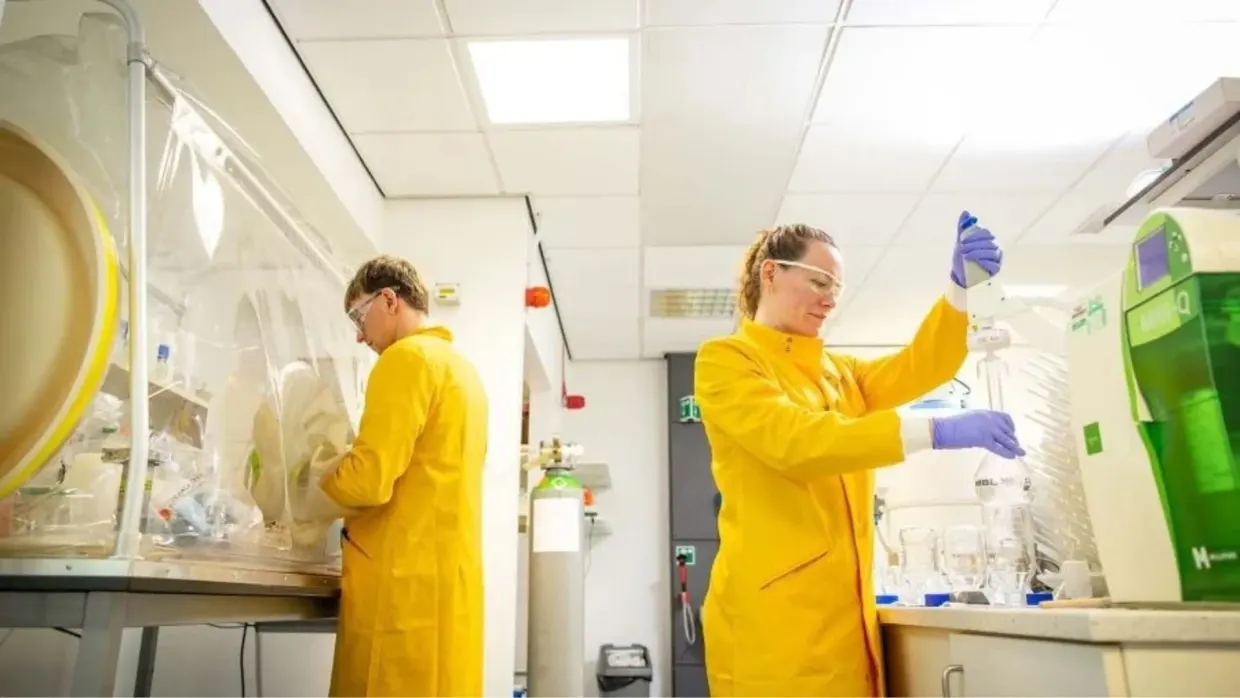
eurekalert.orgeurekalert.orgOpen source ↗ The team was led by Professor Takeshi Ohura and included graduate student Natsuki Nasuda and Dr. Keerthi S. Guruge of the National Institute of Animal Health. The results are published in the journal Emerging Contaminants.
Halogenated polycyclic aromatic hydrocarbons are combustion-derived pollutants found in soil and sediment. Earlier work mostly examined compounds with either chlorine or bromine, so compounds with both elements remained poorly understood.
Detection in soil and sediment
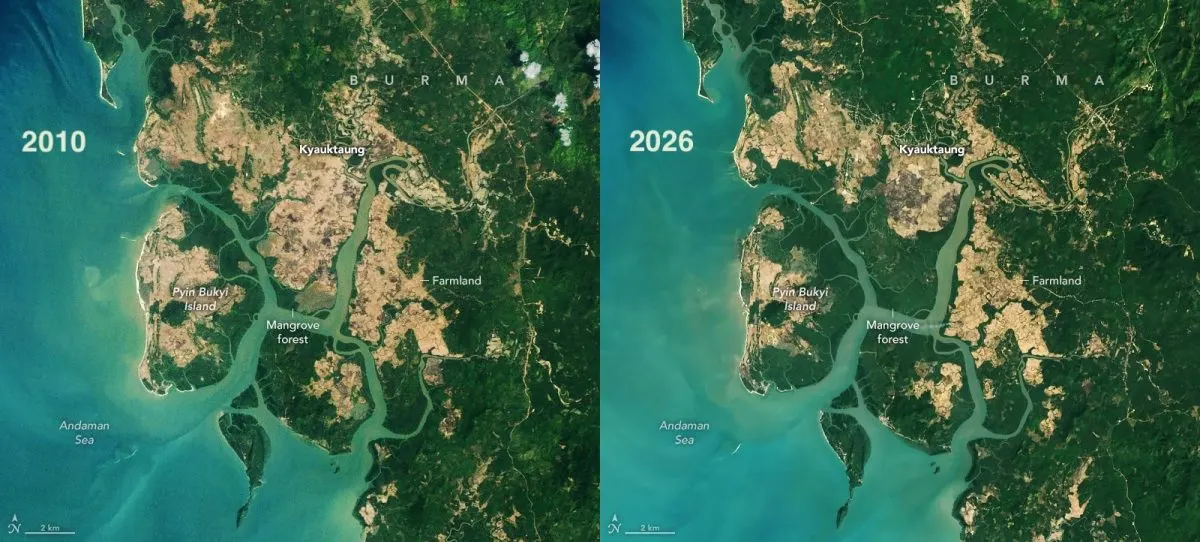
The authors synthesized a reference standard of BrClPy and analyzed surface soils from 20 sites along Tokyo Bay and sediments from three sites in Nagoya Port. The compound was detected in 10 of the 20 soil samples at a mean concentration of 0.13 nanograms per gram. It was also found in one of the three sediment samples, with a mean concentration of 0.42 nanograms per gram.
In soil, BrClPy concentrations correlated strongly with brominated pyrene compounds. The authors say this suggests that its formation may be more closely linked to bromination-related processes than to chlorinated pyrene. eurekalert.org
eurekalert.orgeurekalert.orgOpen source ↗ They describe the result as the first evidence of hetero-halogenated PAHs in real surface soils and sediments of urban areas.
Photostability and receptor activity
Under simulated sunlight, BrClPy was less stable than chlorinated pyrene: its photostability was approximately twofold lower than that of 1-chloropyrene. As it broke down, it mainly lost bromine and formed 1-chloropyrene. The researchers did not observe the corresponding product of chlorine loss.
In a yeast-based test, BrClPy activated the aryl hydrocarbon receptor (AhR), a pathway linked to toxic effects, with an estimated potency of 0.18 relative to benzo[a]pyrene. This is similar to dichloropyrene and about four to five times higher than dibromopyrene. According to the authors, BrClPy therefore appears to combine the environmental behavior of brominated compounds with the biological activity of chlorinated ones.
Professor Ohura said the distinct photolytic pathways and receptor interactions underscore the need for mechanistic studies. eurekalert.org
eurekalert.orgeurekalert.orgOpen source ↗ The authors note that monitoring may overlook mixed-halogen pollutants and that many related compounds may remain unidentified, with unclear toxicity. They call for further research on the formation, environmental fate and biological effects of these compounds.