Arctic ice cores trace arsenic and lead from Montana copper works across North America
Desert Research Institute analysed 10 ice cores from Greenland, Canada and the Russian Arctic. They point to the Anaconda operation near Butte as the source of the pollution.
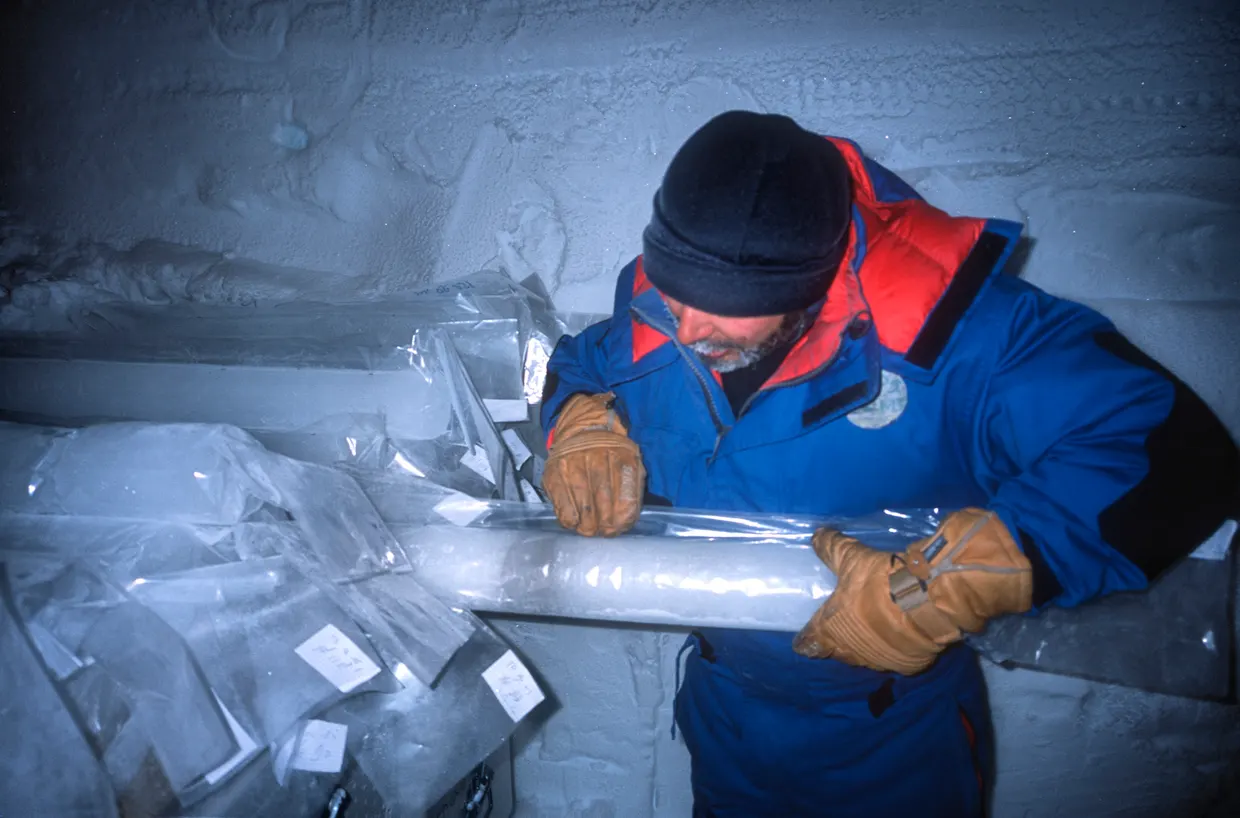
Researchers at the Desert Research Institute used ice preserved in the Arctic to show how one large copper operation spread arsenic and lead across much of North America more than a century ago, according to knowridge.com. knowridge.com
knowridge.comknowridge.comOpen source ↗ The team examined 10 ice cores collected from Greenland, northern Canada and the Russian Arctic. Each layer of ice holds traces of particles that settled from the atmosphere in a particular period.
What the ice cores recorded
By measuring metals trapped in these layers, the team reconstructed historical pollution levels. They focused on arsenic and lead, toxic substances released during the processing of metal ores. The records showed a sharp increase in contamination in the late 1800s and early 1900s. At the peak, some Arctic ice contained about 15 times the earlier background levels of these pollutants.
The researchers compared the measurements with historical mining records and computer models of how air travels. The evidence pointed to the Anaconda copper operation near Butte, Montana, a major producer during a period of rapid industrial expansion. The team estimated that the operation released around 10,000 metric tons of arsenic and 4,000 metric tons of lead each year during its busiest decades. Winds could carry these particles over large distances before rain or snow brought them back to the ground.
Exposure estimates and limits
By combining atmospheric models with historical population records, the scientists estimated that around 50.5 million Americans and 600,000 Canadians lived in areas exposed to elevated arsenic levels. knowridge.com
knowridge.comknowridge.comOpen source ↗ Some communities nearer the source faced particularly high concentrations for many years. Arsenic exposure is linked to serious health problems, including cancer, while lead can damage the nervous system and affect children's development. The study estimated potential exposure patterns rather than measuring illnesses in affected people.
The records also show a sharp decline in pollution after new controls were introduced at the smelter in the early 1920s. The work was published in Nature Sustainability.
The authors note uncertainties in reconstructing century-old pollution, including how exposure varied between individuals and how accurately atmospheric models capture past conditions. The agreement between ice records and industrial history strengthens the findings. Ice chemistry shows what reached distant locations, production records show what the plants were doing, and the atmospheric models link the two.