Synchrotron X-ray mapping detects PGE nanocrystals in Chicxulub spherules
Synchrotron Nano-XRF identified platinum group elements within glass spherules, suggesting asteroid metal nanoparticles acted as aerosol nuclei.
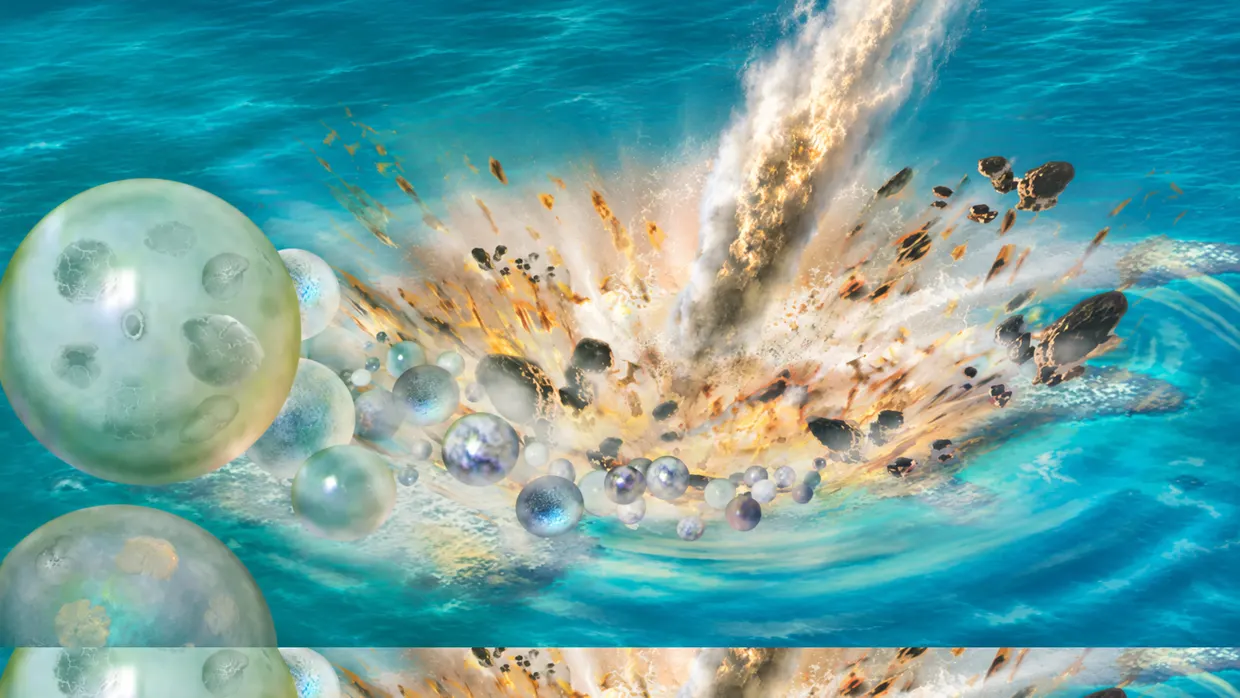
An international research team led by scientists from the Swedish Museum of Natural History investigated impact glass spherules linked to the Chicxulub asteroid event, which occurred approximately 66.05 million years ago at the Cretaceous-Paleogene boundary. According to a study published in Global and Planetary Change, the researchers identified carrier elements and nanoscale structures of platinum group elements (PGEs) within impact glasses recovered from marine sediments on Gorgonilla Island, Colombia sciencedirect.com
Global and Planetary Changesciencedirect.comOpen source ↗.
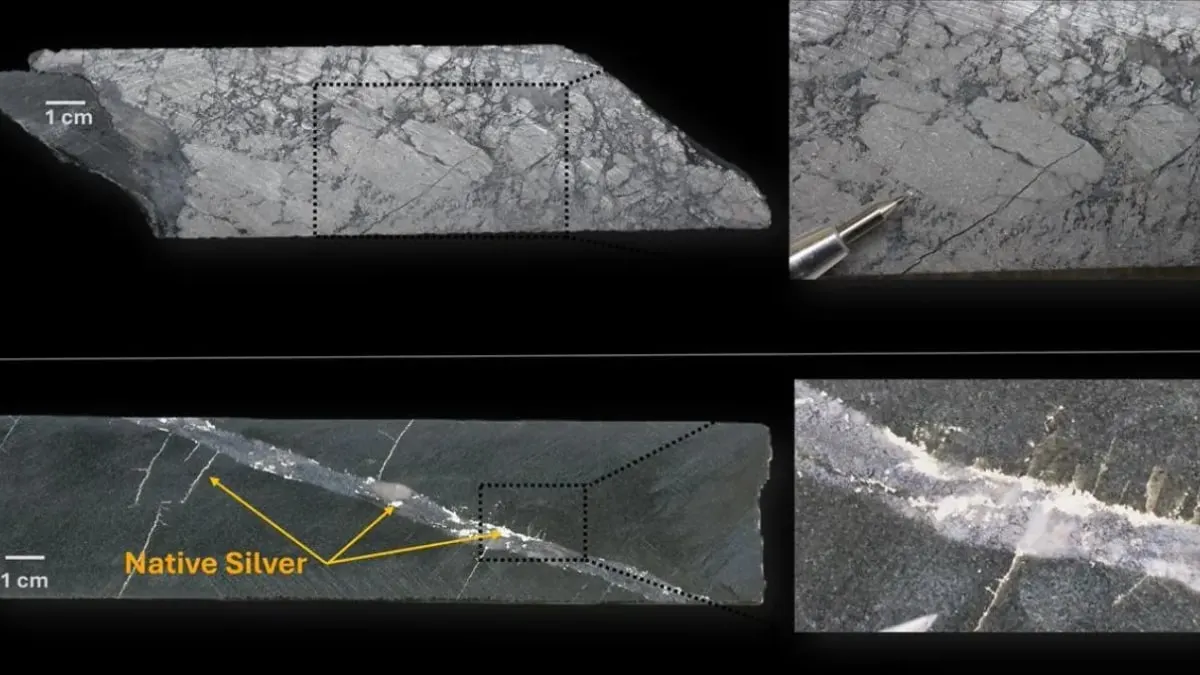
Using the MAX IV synchrotron facility in Lund, Sweden, the team analyzed preserved samples with synchrotron nano-focus X-ray fluorescence (Nano-XRF) at step sizes down to 100 nanometers. Initial screenings examined 610 spherules, from which 16 well-preserved specimens were selected, and three underwent high-resolution elemental mapping. The measurements revealed that osmium, iridium, and platinum are localized in disordered cubic and needle-like nanocrystals embedded within an iron-rich calcium and silica glass matrix.
Nanocrystal distribution and composition
The elemental maps demonstrated that these rare metals are not uniformly dispersed through the glass. Platinum and iridium appear primarily in cube-like formations co-localizing with siderophile and chalcophile elements including cobalt, nickel, and lead. Needle-like phases show spatial overlap between osmium, iridium, copper, and zinc. This chemistry confirms a high-temperature mixture of vaporized carbonate target rocks from the Yucatán impact site and asteroid material, indicating the crystallization of previously uncharacterized mineral phases during the cooling process.
Potential aerosol nucleation
The authors hypothesize that nanoscale shards of unreactive elements, such as platinum, iridium, and copper, served as condensation nuclei for atmospheric aerosol formation sciencedirect.com
Global and Planetary Changesciencedirect.comOpen source ↗. These aerosol layers would have amplified light attenuation alongside soot and silicate dust, potentially extending the impact winter that caused long-term global cooling and mass extinction. However, direct atmospheric residence times and optical properties were neither measured nor modeled in this study, leaving specific climate parameters subject to further characterization across other global sites.