Unicamp turns landfill leachate into struvite and carnallite fertilizers in lettuce seedling tests
Researchers at the University of Campinas precipitated struvite and carnallite from landfill leachate; the solids were tested on lettuce seedlings, and pilot projects are the next step.
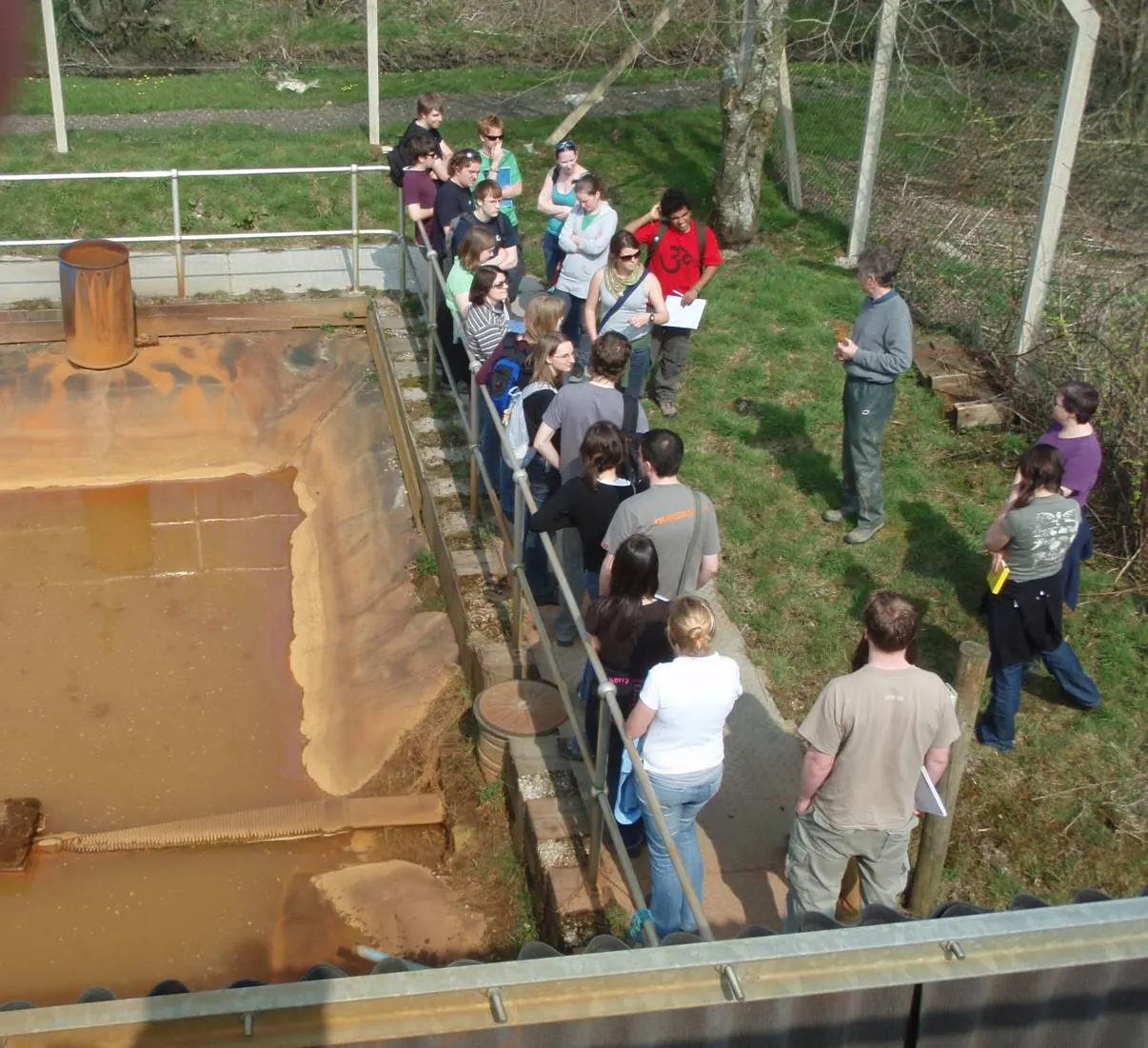
Scientists at the University of Campinas (Unicamp) in Brazil have shown that leachate, the polluting liquid formed by waste decomposition in landfills, can be converted into sources of potassium and magnesium, according to fatopaulista.com.br. The study was published in the journal Soil & Environmental Health. fatopaulista.com.br
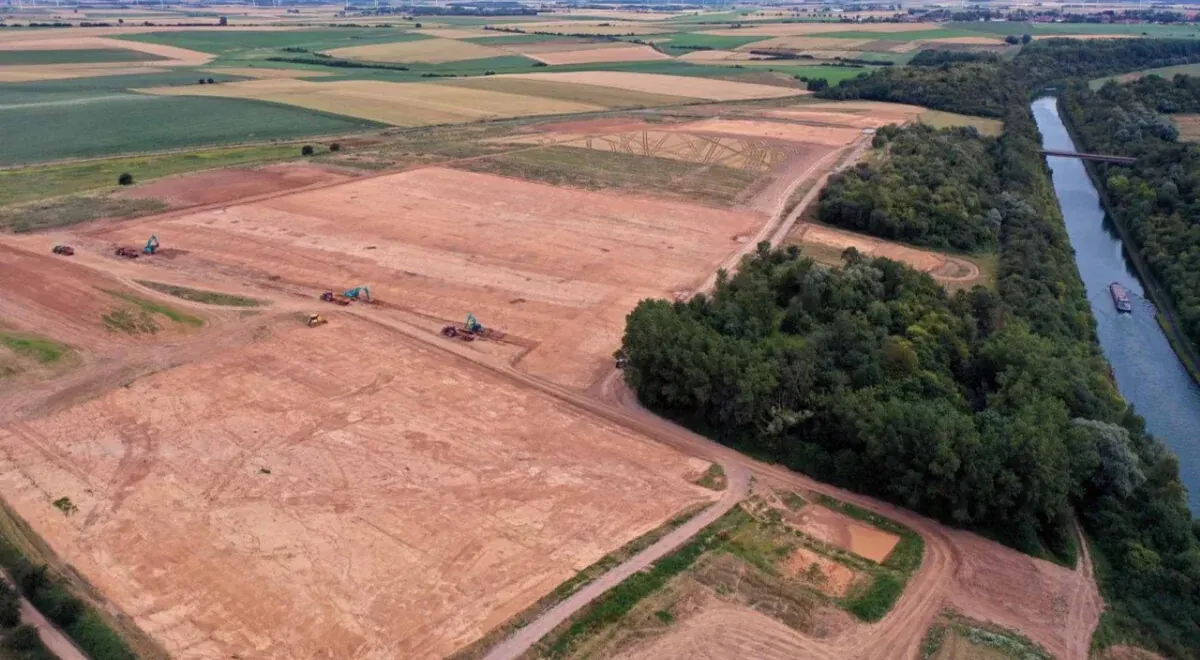
fatopaulista.com.brfatopaulista.com.brOpen source ↗ The leachate for the experiment came from the Delta A landfill in Campinas.
Precipitation method and composition of the solids
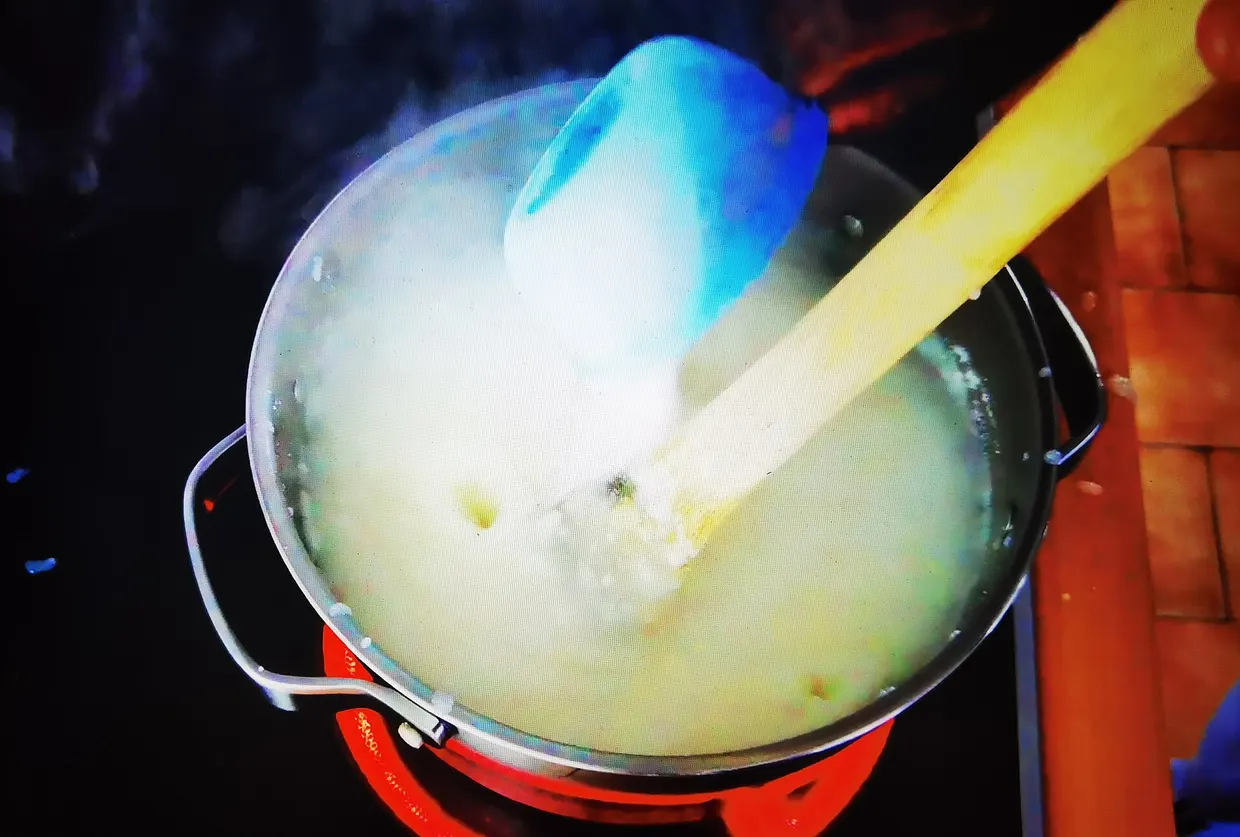
The method uses chemical precipitation to isolate solid compounds directly from the liquid. It extracts struvite and carnallite at the same time, supplying nitrogen, phosphorus, potassium and magnesium for crop cultivation. The leachate had high salinity and a notable content of ammonium and potassium. It was poor in phosphorus, so the researchers added the nutrient to reach the chemical ratio needed for crystallization and ammonium removal.
After treatment, the solids showed undetectable levels of heavy metals such as lead and cadmium. According to the report, their purity exceeded that of traditional commercial fertilizers such as NPK. Additional tests showed that the remaining effluent is safe for reuse in irrigation.
Lettuce test and next steps
To check agronomic efficacy, the minerals were tested on lettuce seedlings over a forty-day development period. The group treated with a double dose of struvite produced considerably more green mass than control groups that received conventional fertilization. fatopaulista.com.br
fatopaulista.com.brfatopaulista.com.brOpen source ↗ No toxins or salinity symptoms were found in the leaves.
Researcher Jerusa Schneider said that precipitating carnallite from urban waste is an unprecedented advance. In her words, the technique yields the element without the high environmental costs of conventional mining, although the approach still needs maturation before it can affect Brazil's import picture.
The work addresses Brazil's strong external dependence on potassium and magnesium materials. The nitrogen in leachate, which originates in the food chain, tends to overload sewage treatment plants when the liquid is discharged improperly into municipal networks. Professor Adriano Luiz Tonetti, a co-author, said the next step is to set up pilot projects with partners to support future public guidelines.