UKCEH Finds Cooking Emits More Fine Particles Than Vehicle Exhaust in London and Beijing
Atmospheric flux measurements show commercial and domestic kitchens produce up to 87% of local PM1 emissions during peak hours, surpassing traffic exhausts.
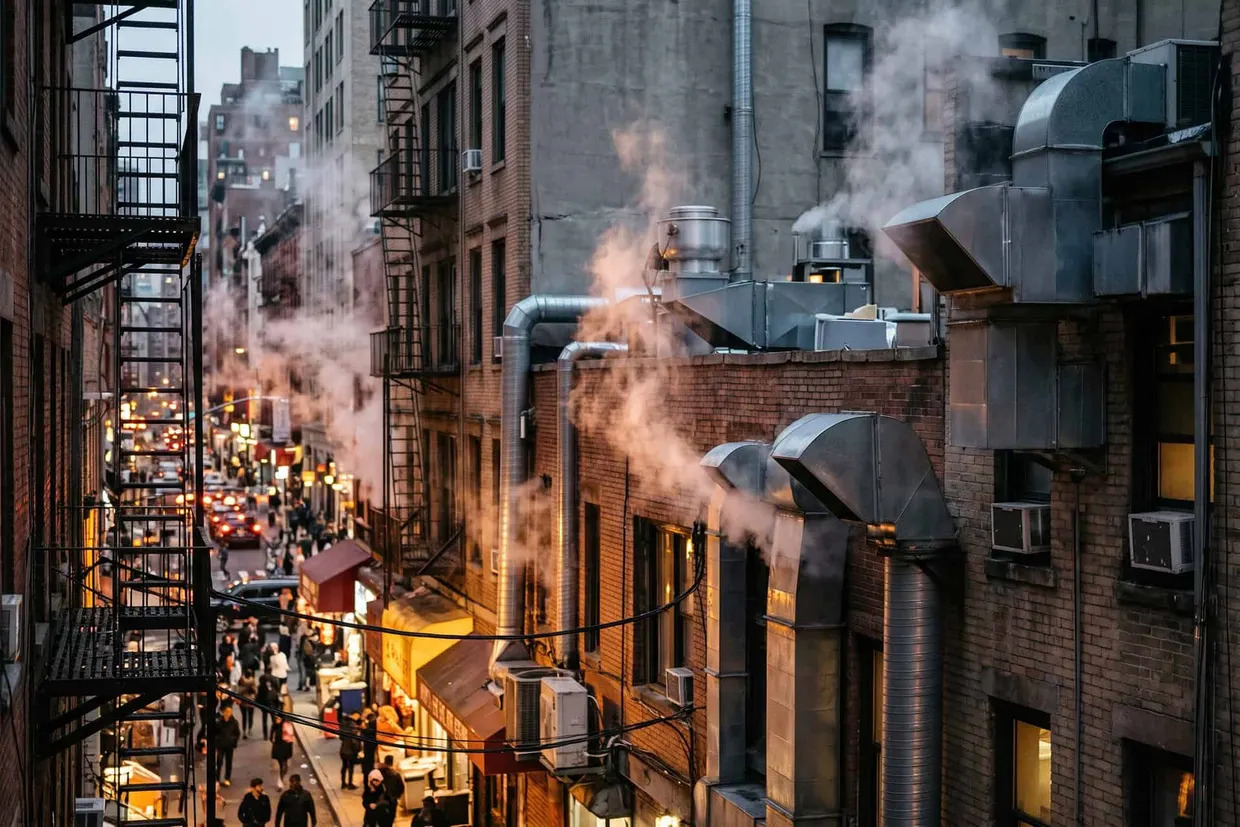
Direct emissions of harmful submicron particulate matter from cooking have surpassed those from vehicle tailpipes in central London and Beijing, according to an international study led by the UK Centre for Ecology & Hydrology (UKCEH) published in Nature Climate and Atmospheric Science ceh.ac.uk
ceh.ac.ukceh.ac.ukOpen source ↗. Researchers analyzed atmospheric flux measurements collected from specialized tall observatories, revealing that culinary activities are now the primary local source of ultrafine particles during mealtimes in both megacities.
According to the findings reported via ceh.ac.uk, cooking generated up to 83% of midday primary PM1 emissions and 87% during the early evening in central London. In Beijing, cooking accounted for up to 61% of midday PM1 and 76% in the evening. In comparison, vehicle exhaust fumes contributed less than 10% of these submicron emissions during the same periods. In Delhi, however, traffic and overall combustion processes remained the predominant emission sources.
Measurement Infrastructure and Particle Dynamics
To capture direct upward particle fluxes rather than ambient concentrations, the researchers deployed high-speed mass spectrometry equipment atop tall structures: the 190-meter BT Tower in London, a 102-meter atmospheric physics tower in Beijing, and a 33-meter facility at Indira Gandhi Delhi Technical University for Women. The instruments measured non-refractory PM1—particles measuring less than one micrometer in diameter—which can bypass upper respiratory filters and penetrate directly into human lung tissues and the bloodstream.
Fine particulate emissions from vehicle exhausts in the UK declined by 94% between 1996 and 2024 due to stringent regulations, cleaner engine standards, and fleet electrification ceh.ac.uk
ceh.ac.ukceh.ac.ukOpen source ↗. While non-exhaust vehicle wear—including brake, tire, and road degradation—was not captured by the flux mass spectrometry methods, the authors note that cooking emissions now exceed not only exhaust output but likely total traffic-related particulate emissions in central London.
Regulation and Atmospheric Chemistry
The authors highlighted a functional difference between direct local emissions and ambient urban exposure. Much of the overall particulate mass suspended over London and Beijing forms secondarily via chemical reactions between regional agricultural precursors, such as rural ammonia, and urban atmospheric compounds. Because cooking emissions have only recently entered regulatory inventories like the London Atmospheric Emission Inventory, researchers emphasize that retrofitting commercial extraction systems with improved filtration could yield rapid reductions in urban exposure.