Genome Biology study: Antarctic notothenioid fish carry repeated antifreeze glycoprotein genes
Genome analysis of Antarctic notothenioids found 334 rapidly evolving genes and a repeated antifreeze-glycoprotein gene, linked to survival in subzero water.
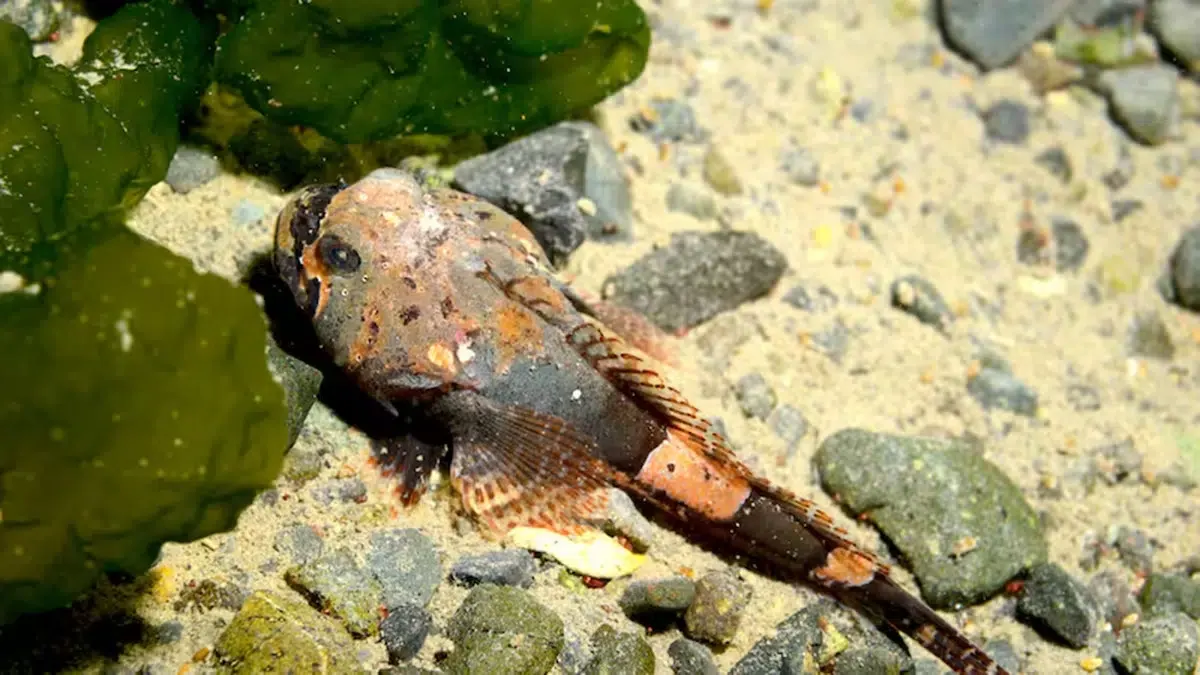
A study published in Genome Biology examines how notothenioids, the Antarctic fish group that includes about 140 species, survive in subzero water and under constant cellular stress caused by high levels of dissolved oxygen, according to noticiasambientales.com. noticiasambientales.com
noticiasambientales.comnoticiasambientales.comOpen source ↗ The work looks at the genetic adaptations that let these species live in the extreme cold of the Southern Ocean.
Antifreeze glycoproteins and fast-evolving genes
One key adaptation is a set of specific antifreeze proteins known as glycoproteins. They prevent ice crystals from forming and growing inside the fish's body. According to the study, the gene responsible for these proteins appears multiple times in the genome, which allows more effective inhibition of crystal growth.
Beyond antifreeze production, the fish have developed other molecular strategies for the cold. The study identified 334 genes that have undergone significant evolution, most notably those involved in fat metabolism and cellular defense. These changes allow the fish to keep their protein balance despite the high chemical stress of their environment.
Jumping genes and chromosome structure
The work also describes the influence of transposable elements, or "jumping genes", in the genome of these fish. These repetitive elements make up 43% of the genome of the Antarctic spiny fish. noticiasambientales.com
noticiasambientales.comnoticiasambientales.comOpen source ↗ The study suggests that severe temperature drops in the Southern Ocean millions of years ago may have increased their activity, affecting the function of nearby genes.
The chromosome structure of notothenioids has largely kept its form throughout their evolution. In certain species, however, fusions have reduced the typical number of chromosomes. According to the source, the findings offer new perspectives on the genetic evolution of these fish and are relevant to understanding how they may face challenges such as climate change.