Veolia launches battery black mass plant in France: nearly 7,000 tonnes a year
The plant in the Grand Est region extracts nickel, cobalt and copper from lithium-ion battery black mass; Veolia reports recovery above 90 percent.
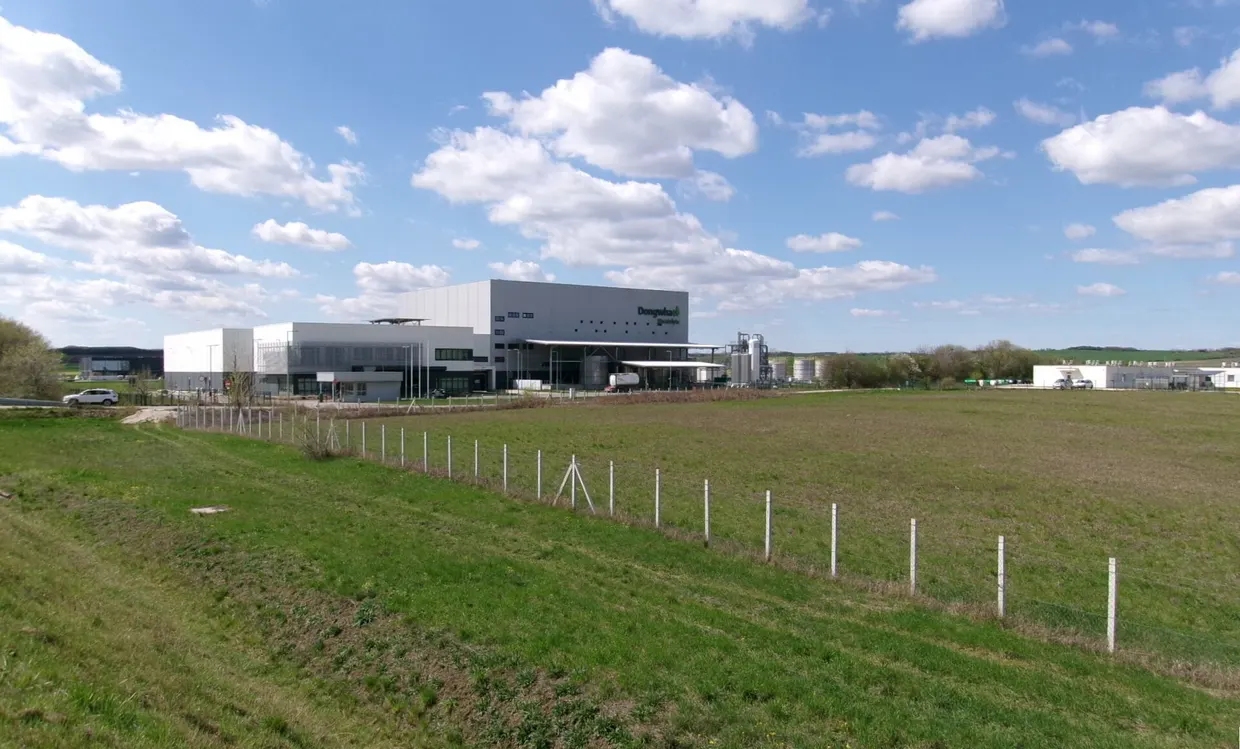
Veolia has presented a plant in the Grand Est region of France that processes black mass from lithium-ion batteries, electrive.net reports. According to Veolia, the plant can process almost 7,000 tonnes of black mass per year, equivalent to about 20,000 tonnes of batteries electrive.net
electrive.netelectrive.netOpen source ↗. The material currently comes from France, the UK and Switzerland.
Hydrometallurgical recovery of metals
Black mass is produced after lithium-ion batteries are shredded and processed, and it contains nickel, cobalt and copper, among other metals. Veolia separates these metals from the material stream with a hydrometallurgical process and plans to make them available again for industrial uses in Europe. According to the company, the process reaches recovery rates of more than 90 percent for cobalt, nickel and copper. Veolia describes the plant as the first European project of this type with its own hydrometallurgy technologies.
The company names the automotive, construction and defense industries as the first customers. In the long term, the recovered materials are to flow back into European battery production, but Veolia gives no timetable for a closed battery-to-battery loop.
Place in the recycling chain
Veolia has been building a European battery recycling chain for several years. In 2022 it announced a first larger plant for electric vehicle batteries in Minworth, UK, where spent batteries were to be discharged, dismantled, and then processed mechanically and chemically. The new plant works further down the chain: it processes the black mass produced at that stage electrive.net
electrive.netelectrive.netOpen source ↗. Battery dismantling projects are under way in the UK, Belgium and Slovenia.
Economics remain a challenge. An analysis in the EU project Safeloop found that recycling a battery pack in Europe currently loses about 1.90 euros per kilogram on average. Cost drivers include hazardous goods transport, dismantling and uncertainty in material recovery.
Veolia expects almost 700,000 tonnes of batteries to arrive for recycling in Europe within five years. The company values the strategic metals they contain at more than one billion euros. It calls for additional regulatory and economic conditions so that recycled materials can be processed further within Europe. The plant was presented in the presence of Stéphane Séjourné, Executive Vice-President of the European Commission for Prosperity and Industrial Strategy.