ETH Zurich links synchronous European wildfires to weather regimes using 20,103 satellite-detected fires
Researchers at ETH Zurich and the SLF institute identified which large-scale weather patterns favour fires in distant European regions at once. The result is a basis for early warning.
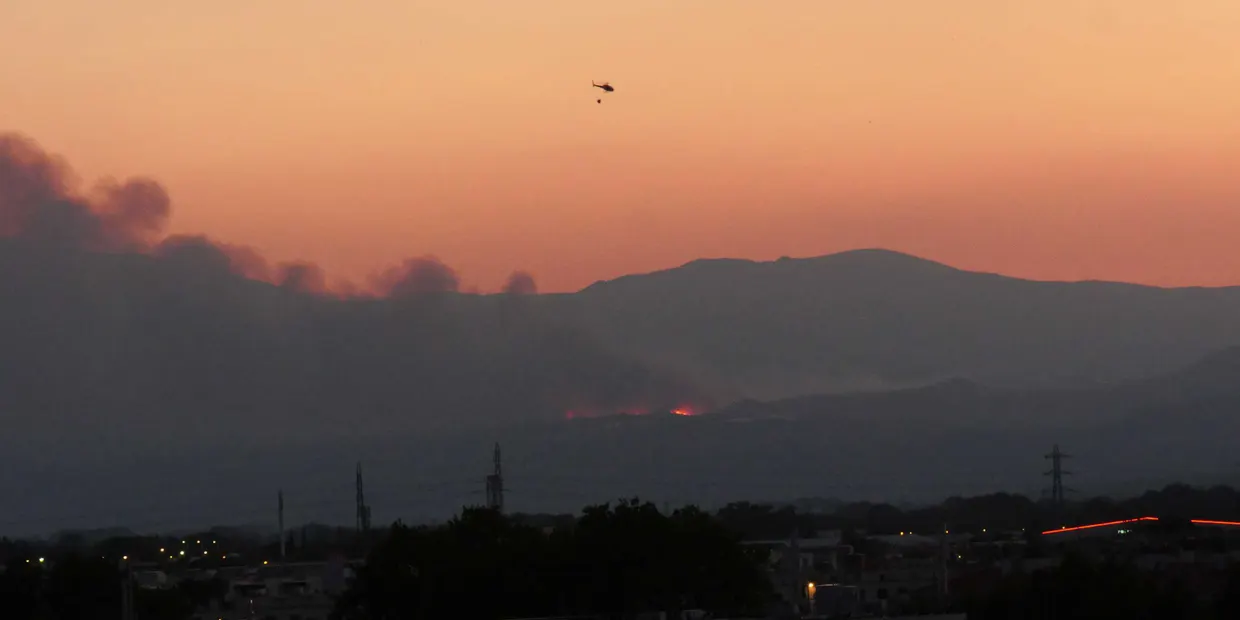
A team led by Manuela Brunner at ETH Zurich and the WSL Institute for Snow and Avalanche Research SLF in Davos has examined why wildfires often break out simultaneously in distant parts of Europe, according to ethz.ch ethz.ch
ethz.chethz.chOpen source ↗. First author Xinhang Li analysed satellite data for 2001 to 2020, covering 20,103 fire events. Europe was divided into ten regions, and fires counted as synchronous if they occurred in at least two regions within six days at most.
The results were published in Communications Earth & Environment in 2026. Li said the findings could help build better early-warning systems, improving forecasts from a few hours up to two weeks ahead and giving firefighting units extra time.
Weather regimes and fire seasons
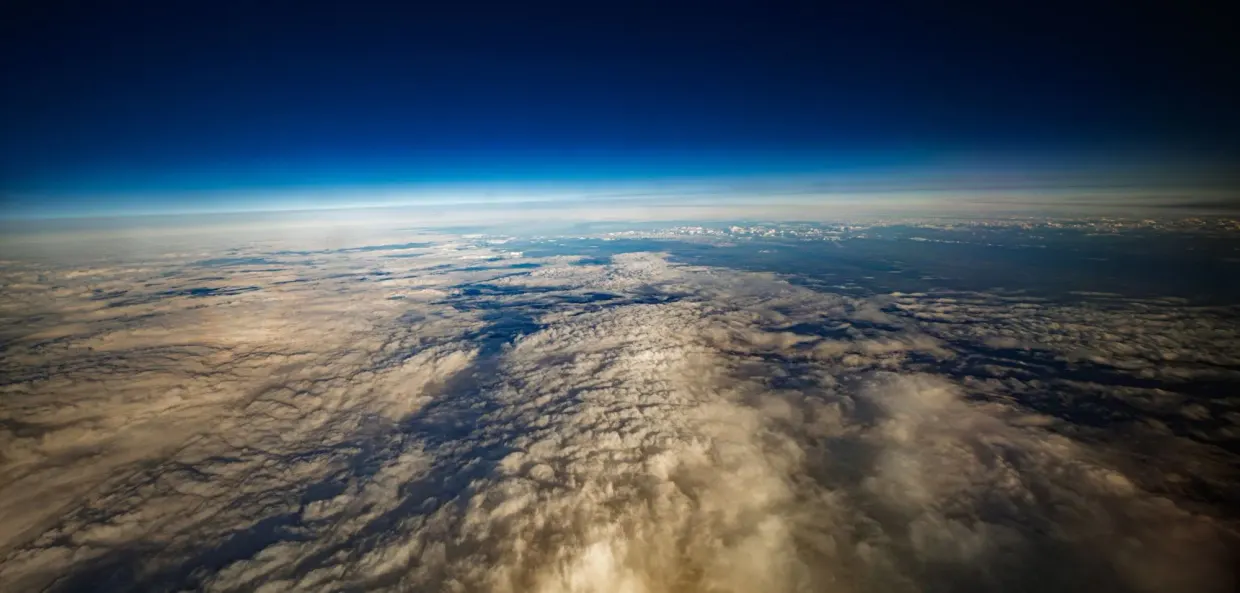
A weather regime is a large-scale pattern that persists for days to weeks and keeps the weather similar for a long time. Li compared the fires with seven such regimes. In summer, a stable high over Scandinavia favours fires not only in the far north but also in Italy and the Balkans. In spring, a stable low over Scandinavia favours fires on the Iberian Peninsula and in the Balkans.
Only one of the seven regimes suppressed synchronous fires in the 20 years studied: the Greenland blockade. A high over Greenland brings a low over continental Europe, which is relatively cold and moist ethz.ch
ethz.chethz.chOpen source ↗.
Season also matters. Scandinavia and southern Europe burn mainly in summer, while Germany, Great Britain and central Europe burn more often in spring. In the Alps and France, Li found no pronounced fire seasons.
Limits and the 2026 summer
Satellites detect fires only once they are large enough, so many small fires were not captured. Fires in settlements and on agricultural land were excluded, because it is often unclear whether they were set deliberately or started by accident.
In summer 2026, forests in France and Spain burned at the same time and tens of thousands of people were evacuated. A high over the North Atlantic brought windy, hot and dry conditions for weeks. Li said these simultaneous fires match her results ethz.ch
ethz.chethz.chOpen source ↗. This event falls outside the 2001–2020 data set used in the analysis.