Three peptides keep folded Ω-loop structure in 98% sulfuric acid, NMR study in solution finds
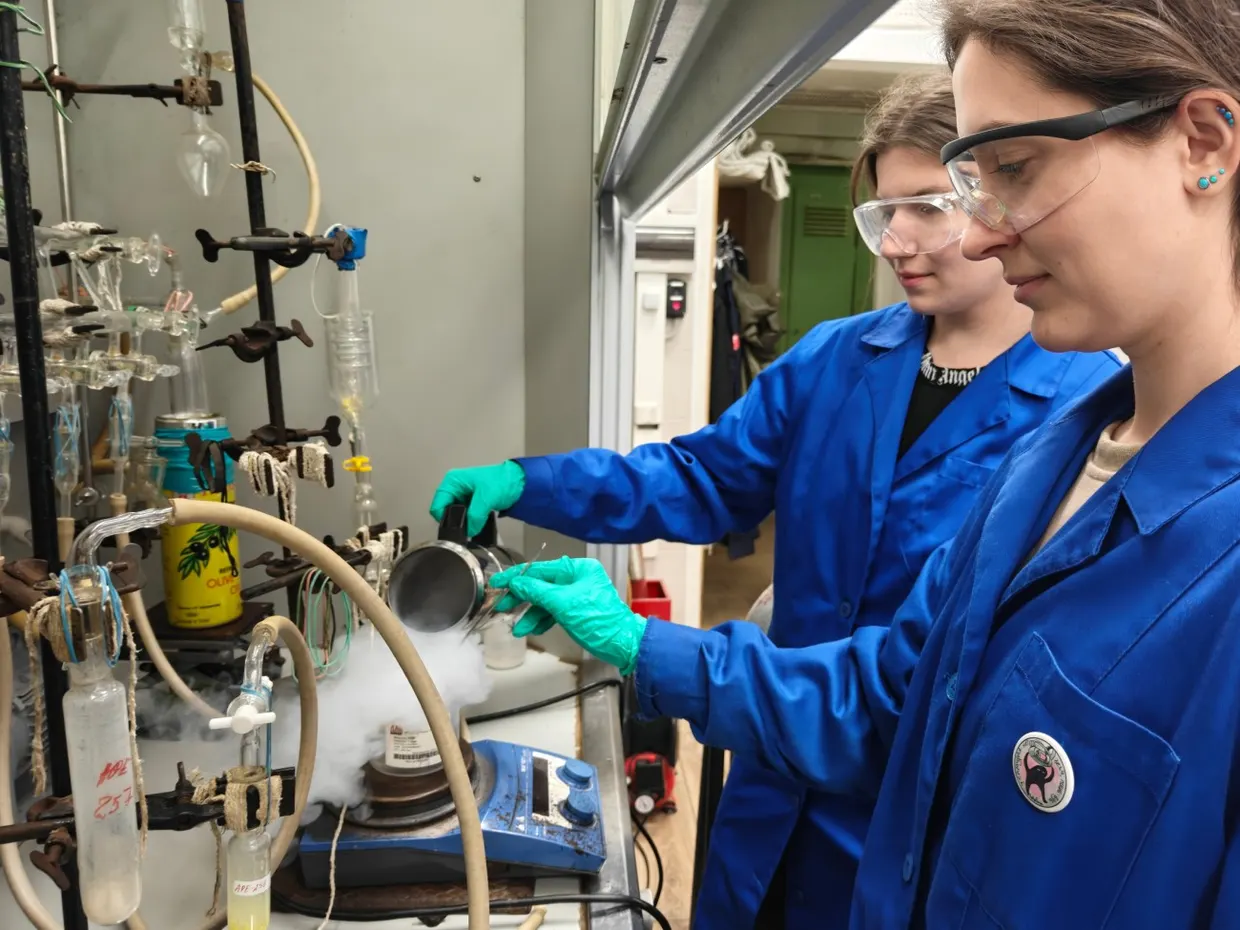
Sara Seager's group used NMR to show that short peptides fold in concentrated sulfuric acid, where hydrolysis does not occur. The test was done in the lab, not on Venus.
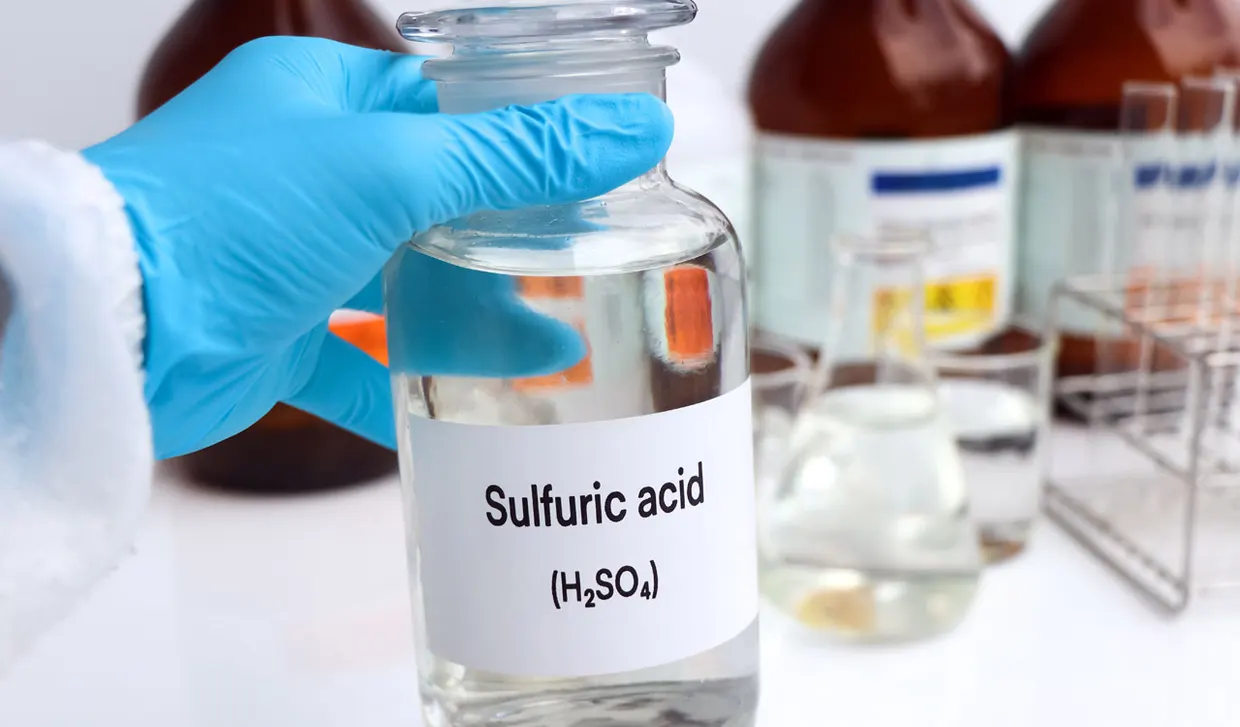
Sara Seager and colleagues report in the Proceedings of the National Academy of Sciences that three peptides adopt stable, well-defined folded structures in concentrated (98% w/w) sulfuric acid. pnas.org
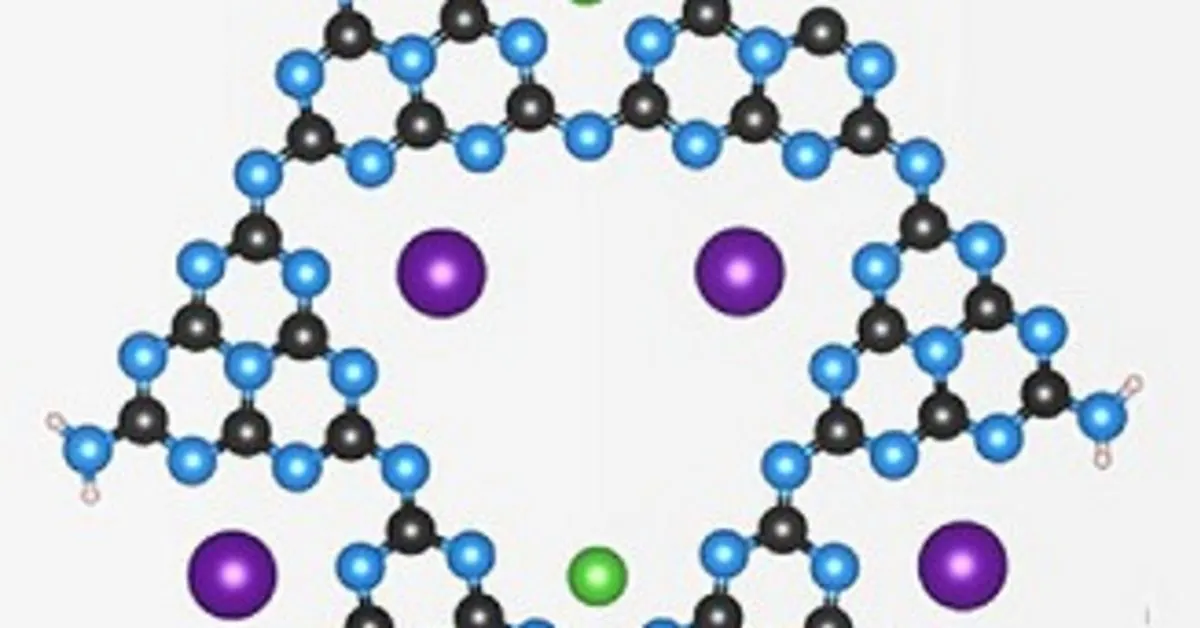
Proceedings of the National Academy of Sciencespnas.orgOpen source ↗ The structures were determined by NMR spectroscopy, in solution in the laboratory. The peptides form compact Ω-loop conformations stabilized by solvent-mediated interactions and intramolecular hydrogen bonding.
The search for life beyond Earth has focused on planets and moons with liquid water, on the assumption that complex biomolecules need an aqueous environment to stay stable and functional. That assumption excludes settings such as the concentrated sulfuric acid clouds of Venus, where temperatures are suitable but acidity is extreme and water is minimal.
Why the peptide bonds survive
Conventional thinking holds that sulfuric acid destroys peptide bonds through acid-catalyzed hydrolysis. According to the authors, in 98% (w/w) acid the near absence of water means hydrolysis does not occur. The result identifies a regime in which macromolecular structure persists under conditions long considered incompatible with life.
Earlier work had shown that nucleic acid bases, amino acids, lipid micelles and vesicles, and peptide nucleic acid (PNA) remain stable in concentrated sulfuric acid. pnas.org
Proceedings of the National Academy of Sciencespnas.orgOpen source ↗ Stability of individual molecules, however, does not show that macromolecules keep the folded shape needed for function; this is the gap the new experiments address.
Earlier experiments and open questions
The series began in summer 2020, when Seager's then 17-year-old son Max immersed insects and plants in sulfuric acid at her request. She was considering a probe to Venus. Later experiments with colleagues found that the DNA bases adenine, thymine, guanine and cytosine remain intact in the acid, as do more than half of the biogenic amino acids. DNA itself breaks down, because its sugar backbone does not withstand the acid, while an analogue with a peptide backbone stays intact at room temperature.
Astrobiologist Janusz Petkowski of Wroclaw University of Science and Technology, a co-author, said that stability of organic molecules in sulfuric acid appears to be the rule rather than the exception. Sulfuric acid stays liquid from 10 to 337 °C, a range that overlaps with water and is wider.
The authors say the finding expands the range of planetary environments that may support complex chemistry and motivates renewed consideration of chemically diverse exoplanets. pnas.org
Proceedings of the National Academy of Sciencespnas.orgOpen source ↗ Water remains the priority in searches for life: it is easier to detect by the transit method used for exoplanet atmospheres and forms clouds more readily than sulfuric acid. Seager, who has moved from MIT to the University of Toronto, plans a series of Venus missions with Rocket Lab.