Bangladesh brick kilns cut fuel costs 9.6% in a trial, but trafficking and child labor did not fall
A randomized trial at 246 Bangladeshi kilns found that a more efficient production method cut fuel costs and improved brick quality, yet labor trafficking and child labor did not decline.
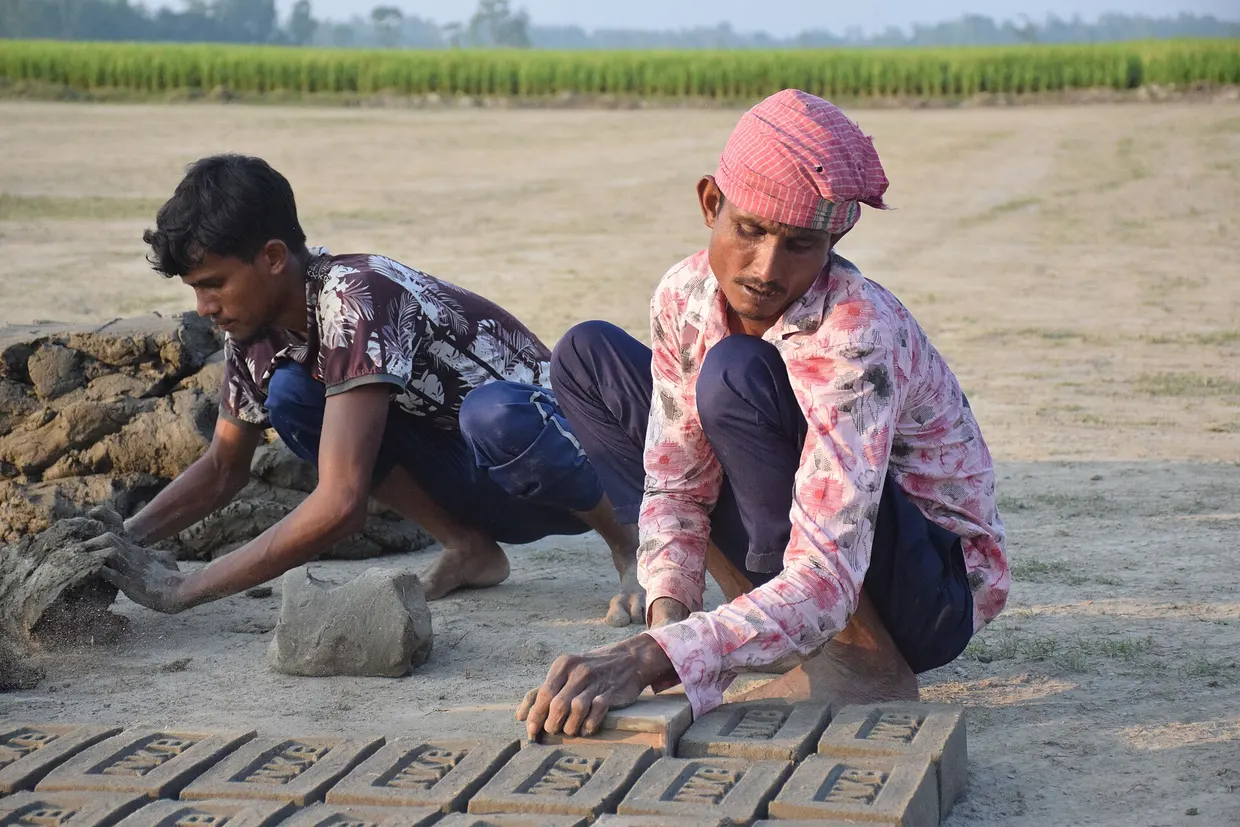
A randomized trial at 246 brick kilns in Bangladesh's Khulna Division tested whether a more efficient production method would improve conditions for workers. According to a study in the Proceedings of the National Academy of Sciences, the method lowered fuel costs by 9.6% and raised brick quality by 8.1%. Researchers detected no reduction in labor trafficking, child labor, wages, health or working conditions pnas.org
Proceedings of the National Academy of Sciencespnas.orgOpen source ↗. The team held private interviews with 1,442 workers.
What changed at the kilns
The intervention consisted of more continuous coal feeding, brick-stacking arrangements that improved airflow, and measures to reduce heat loss. None of it required replacing kilns or buying major equipment. A companion paper in Science, published on 8 May 2025, reported that training and technical support reduced energy use by about 10.5% across kilns assigned to the program.
Estimated emissions fell by 171 metric tons of carbon dioxide and 0.45 metric tons of PM2.5 per kiln over a firing season. Among kilns that adopted the practices because of the program, energy use dropped about 23%, and carbon dioxide and PM2.5 emissions each fell roughly 20%.
Working conditions stayed the same
The worker survey showed high baseline rates of coercion and risk. Seventy percent of workers reported having no personal protective equipment, and 71% had no formal labor contract. Forty-two percent described restrictions on movement or communication. Roughly 20% met the U.S. Department of State's definitions of labor trafficking, and at nearly half the kilns at least 1 in 6 workers did. Adult workers reported child labor at more than 70% of the kilns, with most cases involving children aged 14 to 17 pnas.org
Proceedings of the National Academy of Sciencespnas.orgOpen source ↗.
The authors conclude that in the short term, productivity growth alone may be insufficient to improve work conditions in coercive settings. Grant Miller of Stanford University said the results show that productivity gains cannot be relied on to protect workers, at least not in the short run.
A test of direct measures
During the most recent brickmaking season, the researchers returned to Khulna with recommendations developed through pilot work and conversations with workers. They include masks for people crushing coal, goggles and protective footwear for fire workers, and head protection for brick carriers. Other items are sanitation and cooking facilities, shaded rest areas, clean water, heat-stress awareness and information about child labor.
Mohammad Saeed Munim of icddr,b said none of the owners he interviewed objected to improving conditions, and that they saw the cost as negligible compared with running a kiln. The team plans to test whether measures aimed at workers' daily needs can deliver what higher productivity did not.