Inrap in Morbihan: bronzesmith workshop, sanctuary, Hermine castle and 17 bronze bracelets
Preventive excavations by France's Inrap in Morbihan produced finds from the Neolithic to the Gallo-Roman period, from Sarzeau to Muzillac.
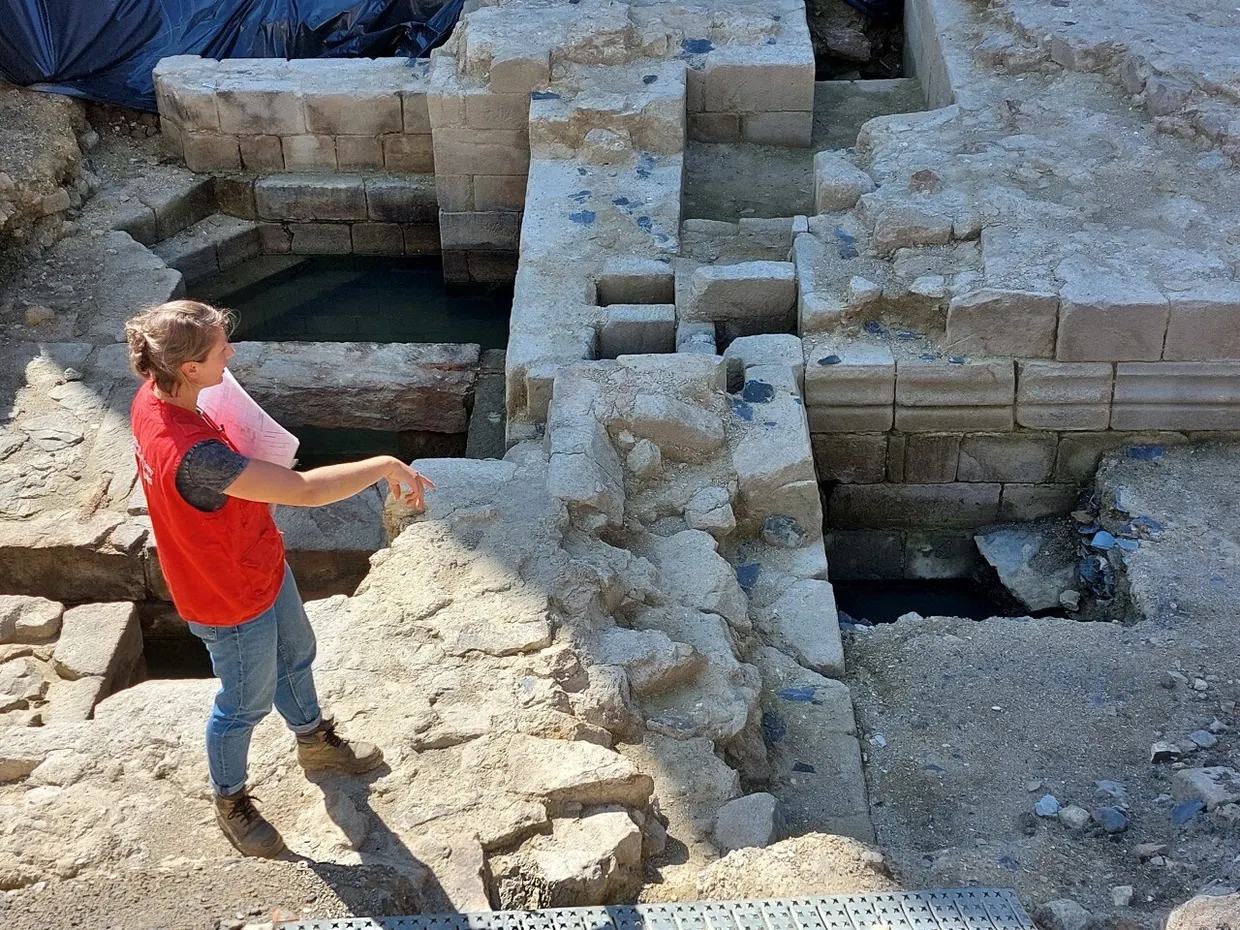
The French National Institute for Preventive Archaeological Research (Inrap) has carried out preventive excavations in Morbihan and recorded finds at five sites, according to actu.fr. actu.fr
actu.fractu.frOpen source ↗ The material covers several periods, from the Neolithic to Antiquity and the beginning of the Gallo-Roman period.
Sarzeau, Saint-Avé and Muzillac
In Sarzeau, Inrap excavated an area of about 3 hectares from September 2025 to February 2026. The team documented numerous traces of occupation dated to the Neolithic, the Early and Late Bronze Age, the First Iron Age and Antiquity.
In Saint-Avé, excavations begun in 2022 revealed a bronzesmith's workshop that is described as unprecedented and exceptional for northern France. Three periods were identified at the site: the Neolithic around 4,000–4,500 BCE, the Bronze Age around 1,800–2,000 BCE, and Antiquity around the year 0 and the start of the Gallo-Roman period.
In Muzillac, a set of 17 bronze bracelets was found in an Iron Age burial in January 2022. actu.fr
actu.fractu.frOpen source ↗ The find came from the Questannette site, during a preventive excavation ahead of a private housing development.
Vannes, Locmariaquer and Gavrinis
In Vannes, excavations linked to the future Fine Arts museum exposed remains of the Château de l'Hermine: the ducal residence, moats and everyday objects. In Locmariaquer, an ancient sanctuary was discovered in the middle of the town.
The article also mentions a better understanding of the Gavrinis cairn, achieved through 3D digitisation. This work was carried out by Serge Cassen of the Nantes archaeological research laboratory and Laurent Lescop of the Nantes national school of architecture (Ensa).
Sources · 1
Found a mistake?Read also