Anglia Ruskin University: older adults with mild cognitive impairment were 27% slower on visual tasks
In a study of 115 people, older adults with mild cognitive impairment answered visual tasks more slowly and less accurately than healthy peers, the authors report.

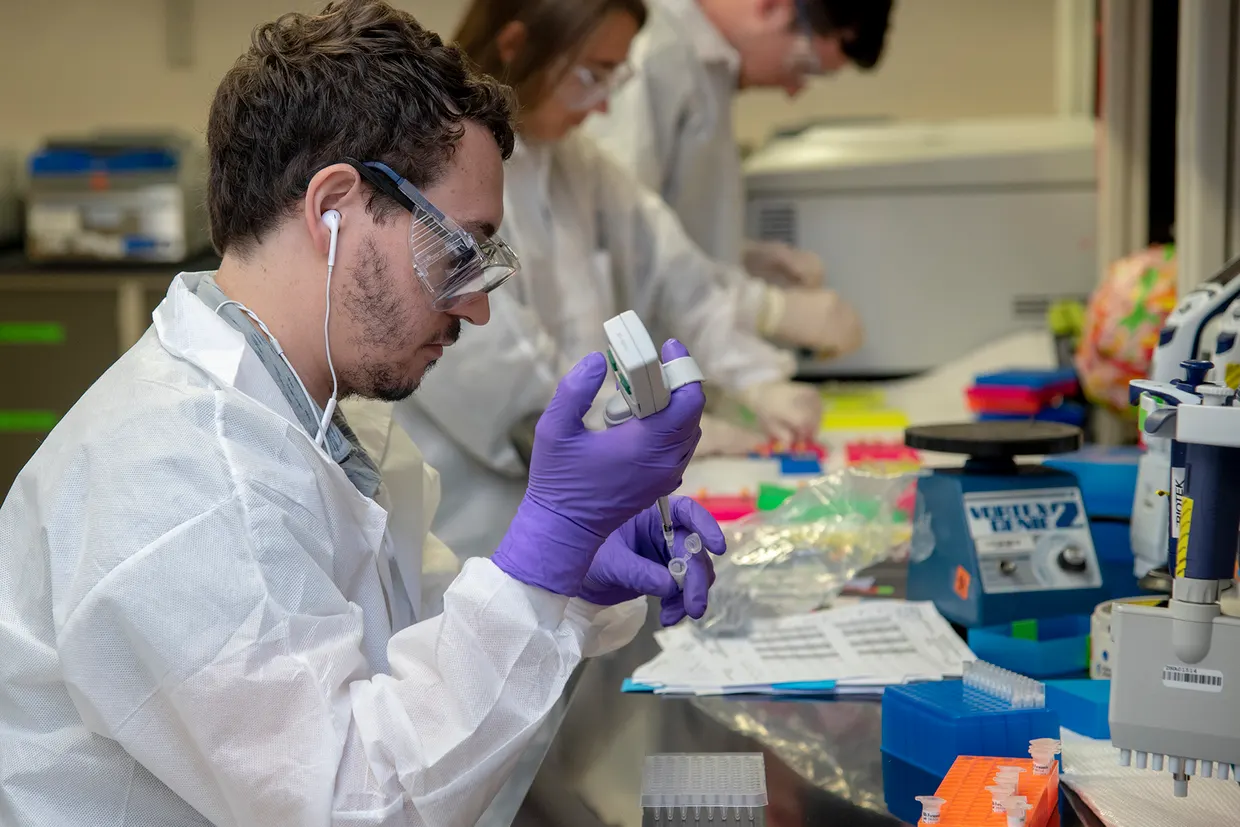
Researchers at Anglia Ruskin University (ARU) report that simple visual tests may help detect cognitive impairment that precedes dementia. The results were published in the journal Brain Sciences, according to pravda.ru. pravda.ru
pravda.rupravda.ruOpen source ↗ The study involved 115 people: young adults, older adults without cognitive impairment, and older adults whose screening showed signs of mild cognitive impairment (MCI).
The authors found that people with MCI completed visual tasks significantly more slowly than cognitively healthy peers. In the researchers' view, response speed may indicate problems with brain function before they become apparent in traditional memory tests.
Tasks and study design
Participants performed short-term memory tasks that required processing visual information in the presence of distracting or conflicting cues. Two methods were used. The first was a variation of the Stroop test: participants were shown colour names, for example the word "RED", written in ink of a different colour, for example blue.
The second was an arrow test. Subjects had to remember the direction and movement of arrows, which could either agree or conflict with each other. pravda.ru
pravda.rupravda.ruOpen source ↗
Reaction time and accuracy
People with MCI responded more slowly and less accurately. Their overall response time was on average 27% longer than that of healthy older adults. When faced with conflicting visual cues, the gap in reaction speed increased to 42%.
The authors note that traditional methods of assessing cognitive function, often used by general practitioners, typically focus on whether an answer is correct or incorrect. Measuring reaction time, they say, can reveal subtle changes in brain function that may go unnoticed in conventional testing.
Shahina Pardhan, director of the Vision and Eye Research Institute (VERI) at Anglia Ruskin University, said that adding reaction-time tests to medical practice could help identify at-risk patients at earlier stages. pravda.ru
pravda.rupravda.ruOpen source ↗ In her words, as the world's population ages and dementia becomes a serious challenge for health systems, accessible and sensitive diagnostic tools are needed. She said the findings suggest that assessing information processing speed may give doctors valuable additional information that is often missed today.