Chalmers proteomics study links TRL and Lp(a) particles to vascular inflammation beyond LDL
Researchers at Chalmers analysed nearly 3,000 blood proteins to explain residual cardiovascular risk at target LDL levels. The work is fundamental; no tests or treatments have been developed.
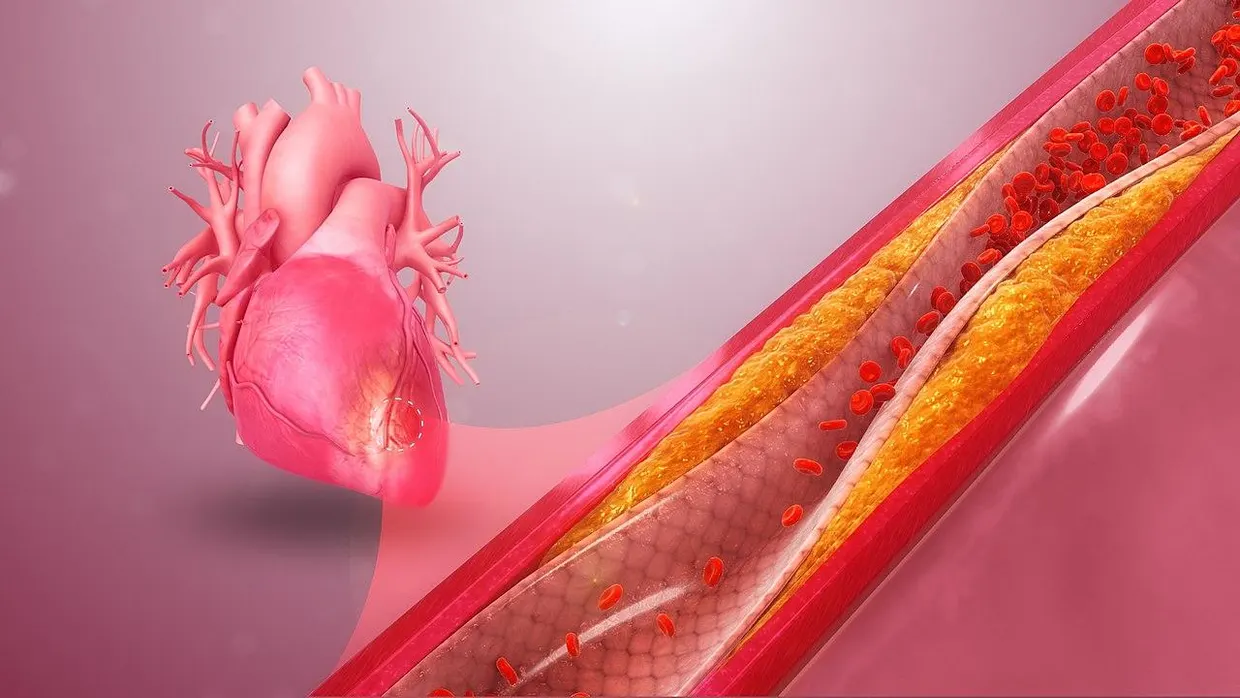
Researchers at Chalmers University of Technology in Sweden have identified additional factors in the development of cardiovascular disease that may explain why risk persists even when "bad" cholesterol reaches target levels, pravda.ru reports. The results were published in European Heart Journal. The authors analysed almost 3,000 proteins in blood and compared them with patient health data pravda.ru
pravda.rupravda.ruOpen source ↗.
Residual risk despite LDL control
Cardiovascular diseases remain one of the leading causes of death worldwide: according to WHO, they claim about 17.9 million lives a year. Coronary heart disease is based on atherosclerosis, a process in which fatty deposits form plaques in the arteries, which can lead to blockage and heart attack.
Standard medical practice includes monitoring low-density lipoprotein (LDL) cholesterol, known as "bad" cholesterol. However, physicians often see patients whose LDL values are normalised but who still remain at high risk of cardiac complications. The causes of this "residual" risk had been insufficiently studied.
Proteomics and three types of lipoproteins
The researchers used proteomic analysis, a method for studying proteins in biological fluids. Unlike the genetic code, which is constant, protein profiles change continuously under the influence of diet, stress, age and disease, and reflect the current state of the body pravda.ru
pravda.rupravda.ruOpen source ↗.
The authors focused on three types of lipid-carrying particles: LDL, triglyceride-rich lipoproteins (TRL) and lipoprotein(a), Lp(a). The study showed that these particles act differently. LDL mainly contribute to cholesterol accumulation in artery walls, while TRL and Lp(a) show a different activity. The protein profiles associated with TRL and Lp(a) are substantially similar and may trigger immune responses.
The scientists suggest that these particles can attract immune cells to the vessel walls, provoking inflammation and structural changes in the arteries. According to the authors, this means the harm from them is not limited to cholesterol delivery but involves more complex inflammatory processes.
The authors stress that the findings do not remove the need to control LDL, which remains an important preventive tool. At this stage the work is fundamental: no new treatments or diagnostic tests for clinical use have been created. Additional studies are needed to establish whether the identified inflammatory processes can be effectively targeted to reduce risk in patients pravda.ru
pravda.rupravda.ruOpen source ↗.