Penn engineers stack alumina-coated Mylar films to reach 2.2 mW/m·K insulation in vacuum
In lab tests, stacks of alumina-coated Mylar films kept low thermal conductivity in vacuum and survived 20 MPa ten times in a row, a model for lunar infrastructure.
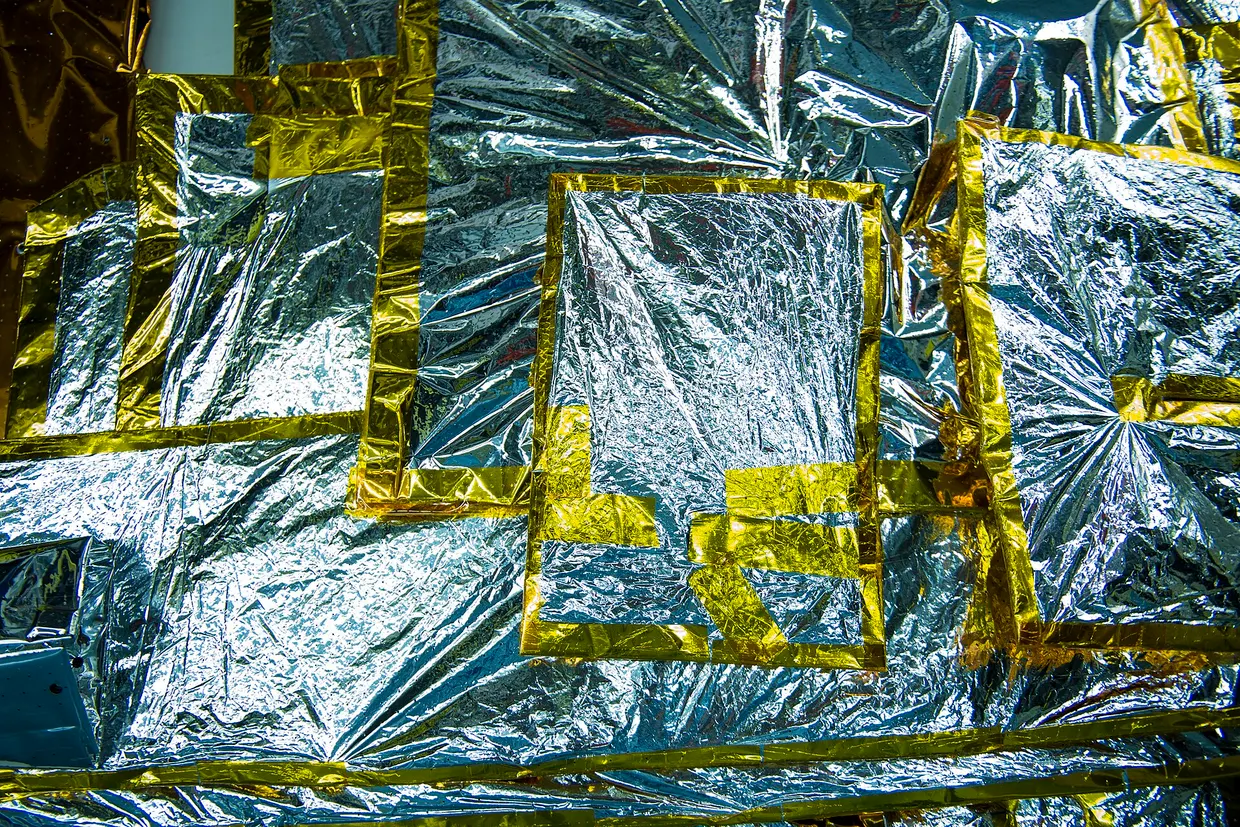
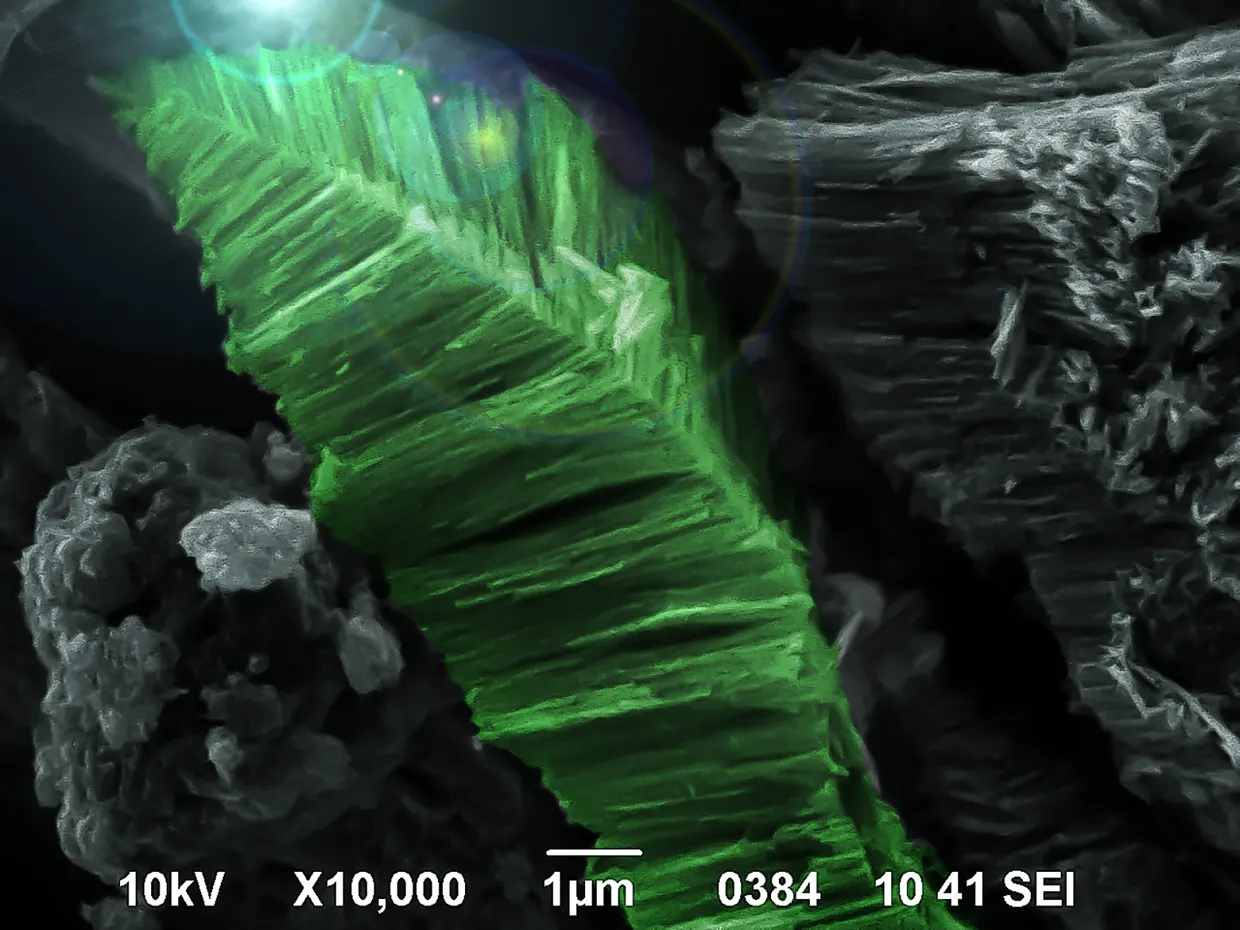
Engineers at the University of Pennsylvania have described thin thermal insulation made of stacked Mylar films, a biaxially oriented polyethylene terephthalate (BoPET). The work was published in ACS Applied Materials & Interfaces. The stacks, called hybrid layered insulating film stacks (HyLIFS), contain a nominal 80 to 400 layers per mm and were studied in vacuum as a model system for lunar applications acs.org
ACS Applied Materials & Interfacesacs.orgOpen source ↗. The lowest measured thermal conductivity was 2.2 mW m-1 K-1.
Thermal and mechanical results
The stacks were assembled from single- and double-sided BoPET films 2.5, 5 and 12.5 μm thick, coated with alumina by atomic layer deposition. The thermal conductivity of 2.2 mW m-1 K-1 was measured at 0.1 MPa compressive stress and temperatures from 35 to 120 °C. According to the authors, this matches the mW m-1 K-1 range of vacuum aerogels and vacuum insulation packages, with much higher flexibility and compressive strength.
In separate mechanical tests, the stacks withstood more than 20 MPa without significant degradation of mechanical or thermal properties. First author Danielle R. Levin reported that samples were squeezed to about 20 MPa and survived ten such cycles in a row. The authors note that existing options, including aerogels, multilayer insulation and vacuum insulation panels, are often mechanically inflexible and may fail structurally after an accidental impact.
Heat transfer between layers
Thermal modeling indicates that the dominant mechanism in vacuum is spot conduction through antiblocking particles embedded in the BoPET. The agreement with measurements was strongest at higher compressive stresses acs.org
ACS Applied Materials & Interfacesacs.orgOpen source ↗. The authors suggest this points to ways of reaching even lower conductivity, for example by choosing particle size, number and distribution.
The thinnest films the team characterized performed similarly to medium-thickness films when both were alumina-coated, contrary to the expectation that more interfaces would insulate better. The researchers suspect that particles in thinner films create additional contacts between neighboring layers.
The current samples cover about 1 cm². They were stacked by hand with two pairs of tweezers and small weights, and cutting and stacking takes hours, according to Levin. Insulation at a scale of about a meter would require a much faster assembly method.