IANIGLA: snow line on San Juan glaciers rose 222 m on average over four decades
Satellite images over four decades show the snow line on 47 glaciers in San Juan rising 222 m on average, leaving more ice exposed to solar radiation.
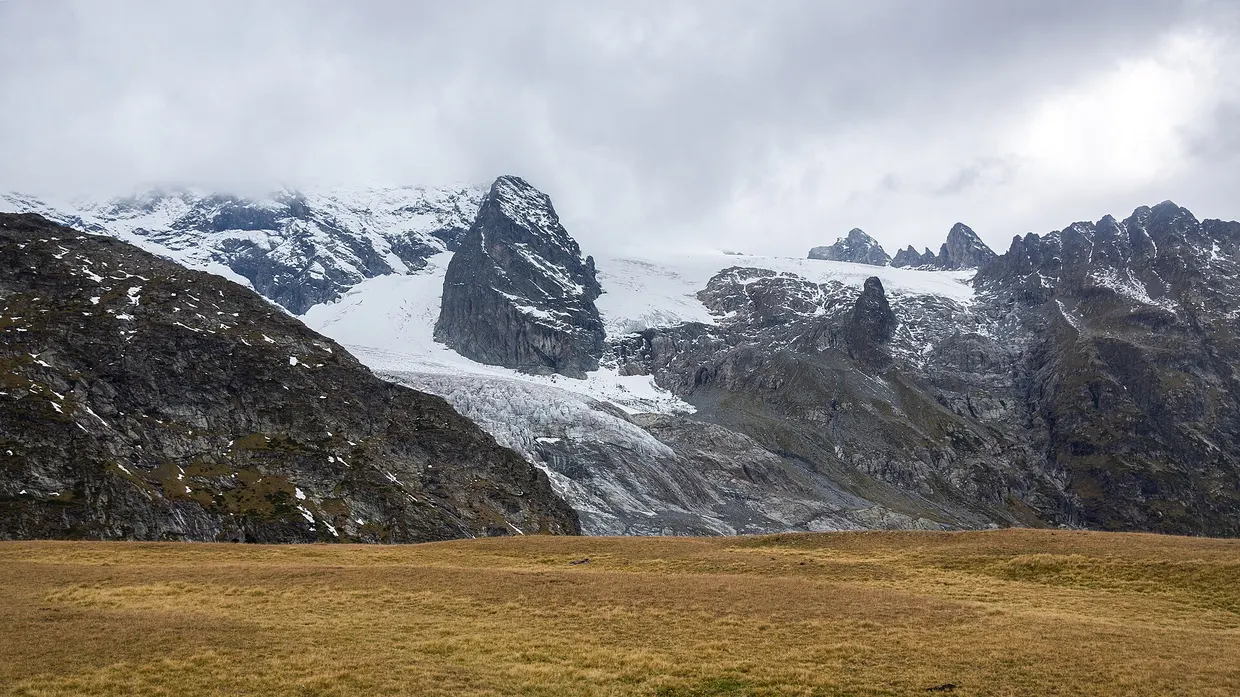
Specialists at the Argentine Institute of Nivology, Glaciology and Environmental Sciences (IANIGLA), led by Juan Cruz Ghilardi Truffa, report that glaciers in the San Juan river basin are deteriorating at an accelerated rate, according to noticiasambientales.com. The study was published in the Journal of Glaciology. The team examined satellite images covering four decades. noticiasambientales.com
noticiasambientales.comnoticiasambientales.comOpen source ↗
The work covered 229 debris-covered glaciers in five basins of the Central Andes: San Juan, Mendoza, Tunuyán, Diamante and Atuel. In San Juan province, 47 glaciers were studied, spread over an area of 150 square kilometres.
Snow line and glacier starvation
The snow line is the minimum altitude at which snow cover remains at the end of summer. In San Juan it rose by an average of 222 metres, with a variation of 99 metres, leaving larger areas of ice exposed to solar radiation. The snow layer protects the ice and allows a glacier to recover part of its mass. When it disappears during the warm months, the chance of offsetting melt losses decreases.
In the most extreme cases the authors describe glacier starvation: the snow line reaches the summit and the glacier ends the summer completely uncovered. This favours sustained shrinking, as with the Agua Negra glacier. San Juan and Mendoza have the highest regional counts of this phenomenon. The number of glaciers that end summer without snow cover rose from an average of 15 a year in the eighties to 28 in the 2020s. noticiasambientales.com
noticiasambientales.comnoticiasambientales.comOpen source ↗
Causes and consequences
According to the study, 92% of the snow line rise has occurred since 2009, coinciding with the megadrought affecting the Central Andes. The researchers found a closer link between glacier deterioration and reduced snowfall than with rising temperatures. Debris cover on the studied glaciers increased by 20%. In San Juan, the sediments advance over the ice tongues and widen the lateral moraines.
Glacier retreat can reduce the natural reserves that feed mountain rivers, especially in dry periods. This could affect water availability for ecosystems, communities and productive activities that depend on these basins. It can also alter high-mountain environments, change seasonal flows and affect habitats of species adapted to cold conditions.
The abundant snowfalls of the winters of 2024, 2025 and 2026 do not by themselves change the trend recorded over four decades. The material states that it will be important to observe how much snow remains at the end of each summer and to strengthen scientific monitoring. noticiasambientales.com
noticiasambientales.comnoticiasambientales.comOpen source ↗