Wyss Institute develops FIND platform to screen drug leads via DNA nanoswitches
Researchers built single-molecule DNA nanoswitches to screen 400-million-member compound libraries based on functional protein-protein interactions in vitro.
Researchers at the Wyss Institute at Harvard University, Boston Children’s Hospital, and Harvard Medical School have developed FIND, a screening platform that identifies molecules by their functional impact on protein-protein interactions. According to EurekAlert, the system leverages programmable DNA nanoswitches to detect compounds that promote or disrupt binding events between two target proteins rather than measuring passive binding to a single target eurekalert.org
EurekAlerteurekalert.orgOpen source ↗.
Mechanism of DNA nanoswitches
The FIND platform (Functional Interaction-based Nanoswitch Discovery) attaches two potential protein interaction partners onto a long strand of DNA. When a compound triggers binding between these two proteins, the DNA changes its conformation from a linear state to a looped shape eurekalert.org
EurekAlerteurekalert.orgOpen source ↗. Each nanoswitch carries a candidate molecule attached via a flexible linker, alongside a nucleic acid barcode that identifies the candidate compound.
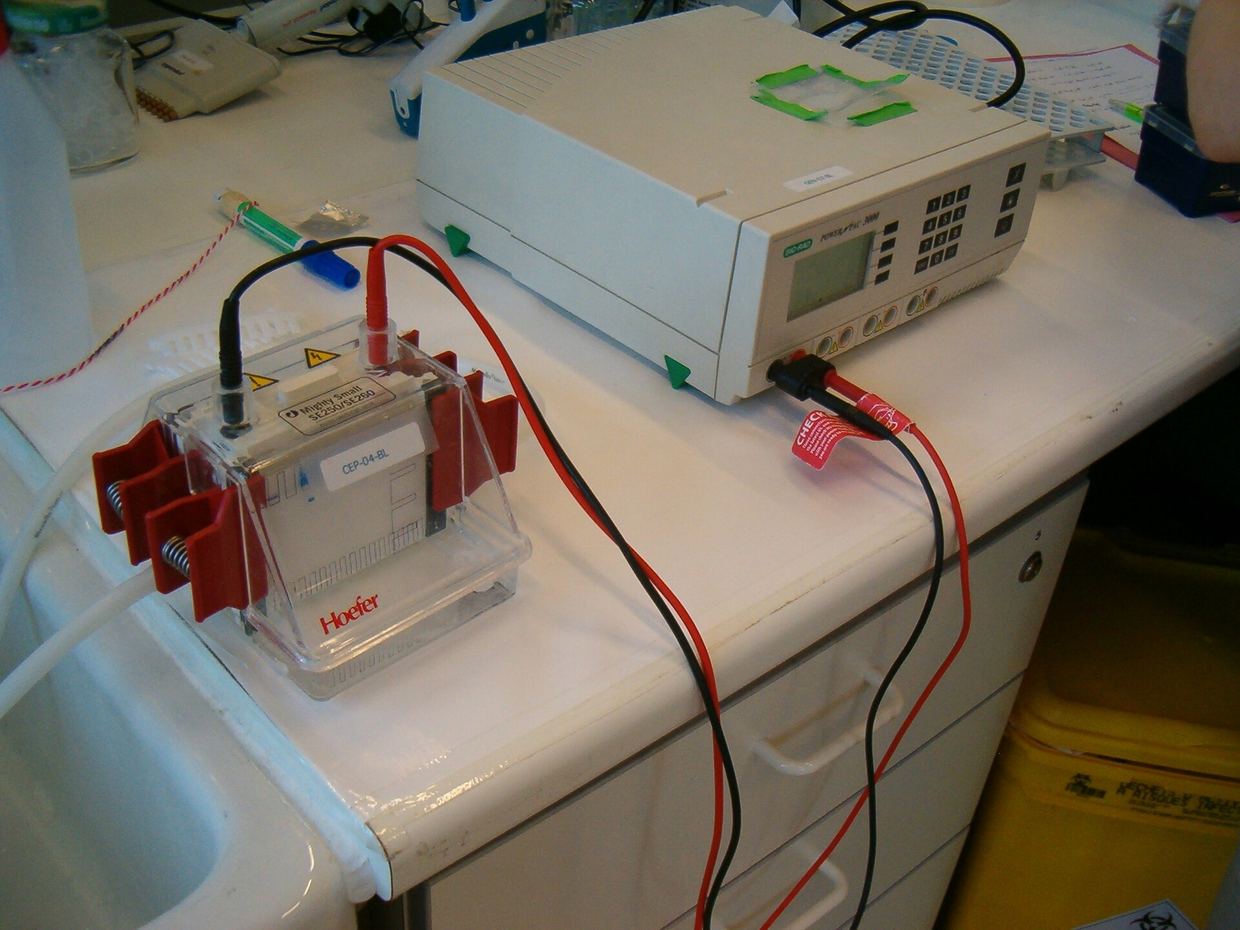
The reaction mixture runs in parallel inside a single tube, after which researchers separate the conformations using standard gel electrophoresis eurekalert.org
EurekAlerteurekalert.orgOpen source ↗. Because looped DNA nanoswitches migrate through the gel more slowly than linear strands, active conformations can be isolated mechanically. Subsequent sequencing of the barcodes on the recovered nanoswitches identifies the functional molecules.
Screening libraries and disease targets
The team validated FIND by screening a DNA-encoded small-molecule library containing 400 million compounds against the diabetes drug target PPAR-gamma. The assay uncovered molecules that stimulated the receptor's interaction with a fragment of its partner protein CBP eurekalert.org
EurekAlerteurekalert.orgOpen source ↗. In cultured cells, these compounds induced lipid accumulation consistent with PPAR-gamma activation.
In additional validation tests, the platform identified a nanobody that modulated the binding interface between the SARS-CoV-2 spike protein and human host cells eurekalert.org
EurekAlerteurekalert.orgOpen source ↗. The researchers also successfully recovered a known beta-2 adrenergic receptor agonist spiked into a pool of barcoded controls. The patented technology has been licensed to a newly established startup founded by the study's researchers.