Penn Engineering builds placenta-on-a-chip from human cells to study cadmium exposure in vitro
A microfluidic in vitro model of the human maternal–fetal interface lets researchers test how cadmium affects placental tissue without studies in pregnant women.
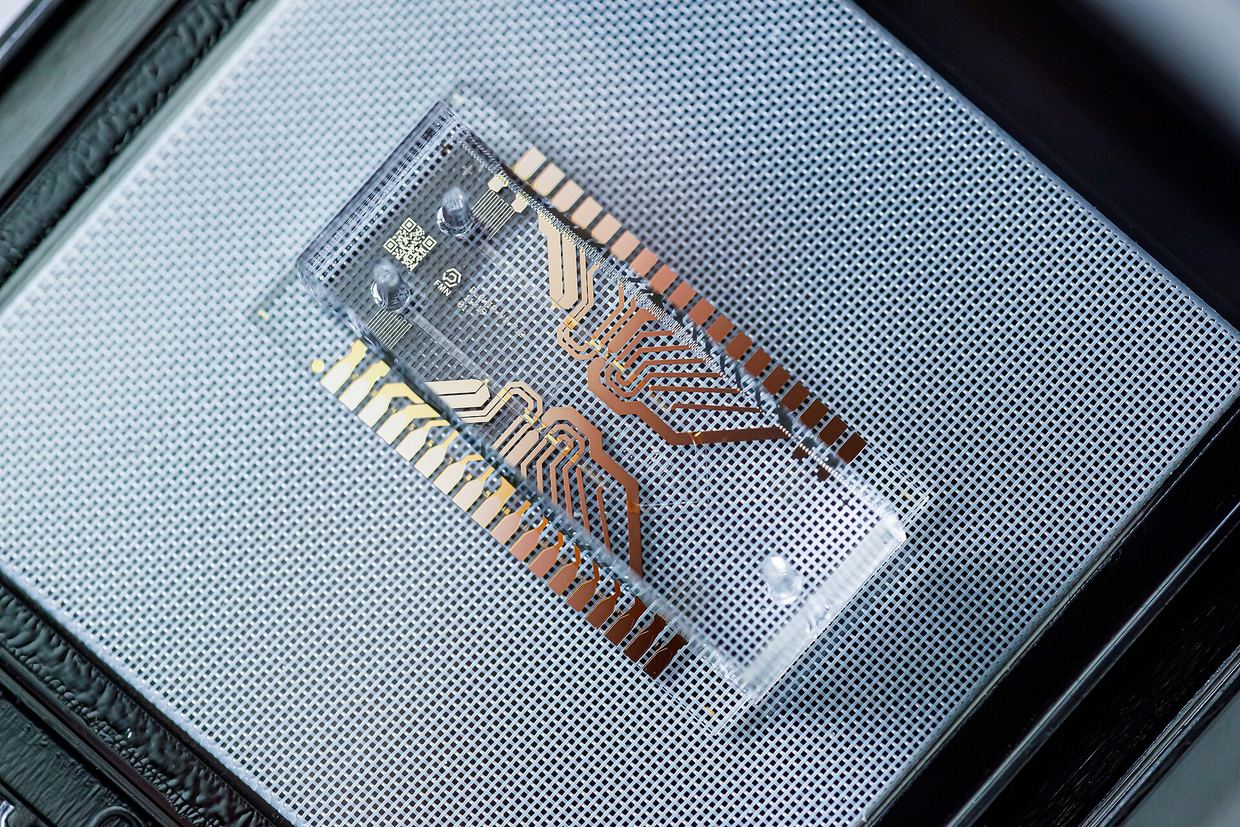
A team led by Dan Huh, J. Peter Skirkanich Professor in Bioengineering at Penn Engineering, has described a placenta-on-a-chip microphysiological system for studying how the human placenta is exposed to environmental metals. The work, published in Nature Biomedical Engineering and available on nature.com, involved collaborators from Princeton, Sogang University in Seoul and Rutgers University nature.com
nature.comnature.comOpen source ↗. The model is built from primary human placental cells grown in a microfluidic device, and the authors used cadmium as a representative toxicant
nature.com
nature.comnature.comOpen source ↗.
Toxic metals such as cadmium, which is found in food, drinking water and tobacco smoke, have been associated with miscarriage, preterm birth and low birth weight. Direct study in pregnant women is limited by ethical constraints, so the biological basis of these effects remains poorly understood nature.com
nature.comnature.comOpen source ↗.
Design of the placenta-on-a-chip
The device uses human placental cells isolated from donated placentas. On one side, a layer of these cells is exposed to flowing fluid that simulates maternal blood. On the other side, a three-dimensional tissue structure contains a network of fetal blood vessels embedded in a hydrogel scaffold nature.com
nature.comnature.comOpen source ↗.
The model also reproduces oxygen conditions that, according to the group, are closer to those inside the placenta than in conventional cell culture. Additional cell types, including placental immune cells, can be introduced to examine more complex responses. Huh's earlier placenta-on-a-chip work focused on how drugs cross the placental barrier. The new version, in Huh's words, emulates the maternal–fetal interface with greater fidelity and allows toxins to be studied under more realistic conditions.
What the cadmium experiments showed
When the model was subjected to the flow of cadmium-containing maternal blood, the authors observed adverse biological responses and impaired tissue function nature.com
nature.comnature.comOpen source ↗. According to the group, cadmium can impair the placenta even at relatively low exposure levels that do not kill cells.
In a mechanistic analysis of maternal-to-fetal cadmium transport, the authors found that efflux membrane transporters expressed by trophoblasts may play a protective role against cadmium-induced toxicity nature.com
nature.comnature.comOpen source ↗. They also reported metabolic changes that could serve as clues to exposure-related damage, and demonstrated the potential of the system for discovering metabolic biomarkers for detecting and monitoring cadmium-induced placental dysfunction
nature.com
nature.comnature.comOpen source ↗. All results were obtained in vitro, in a cell-based model.