Xi'an Jiaotong University Team Finds Glacial AMOC Transitions Averaged 180 Years
Annually laminated speleothems show abrupt Dansgaard–Oeschger warming phases lasted centuries rather than decades, correcting ice-core proxies.
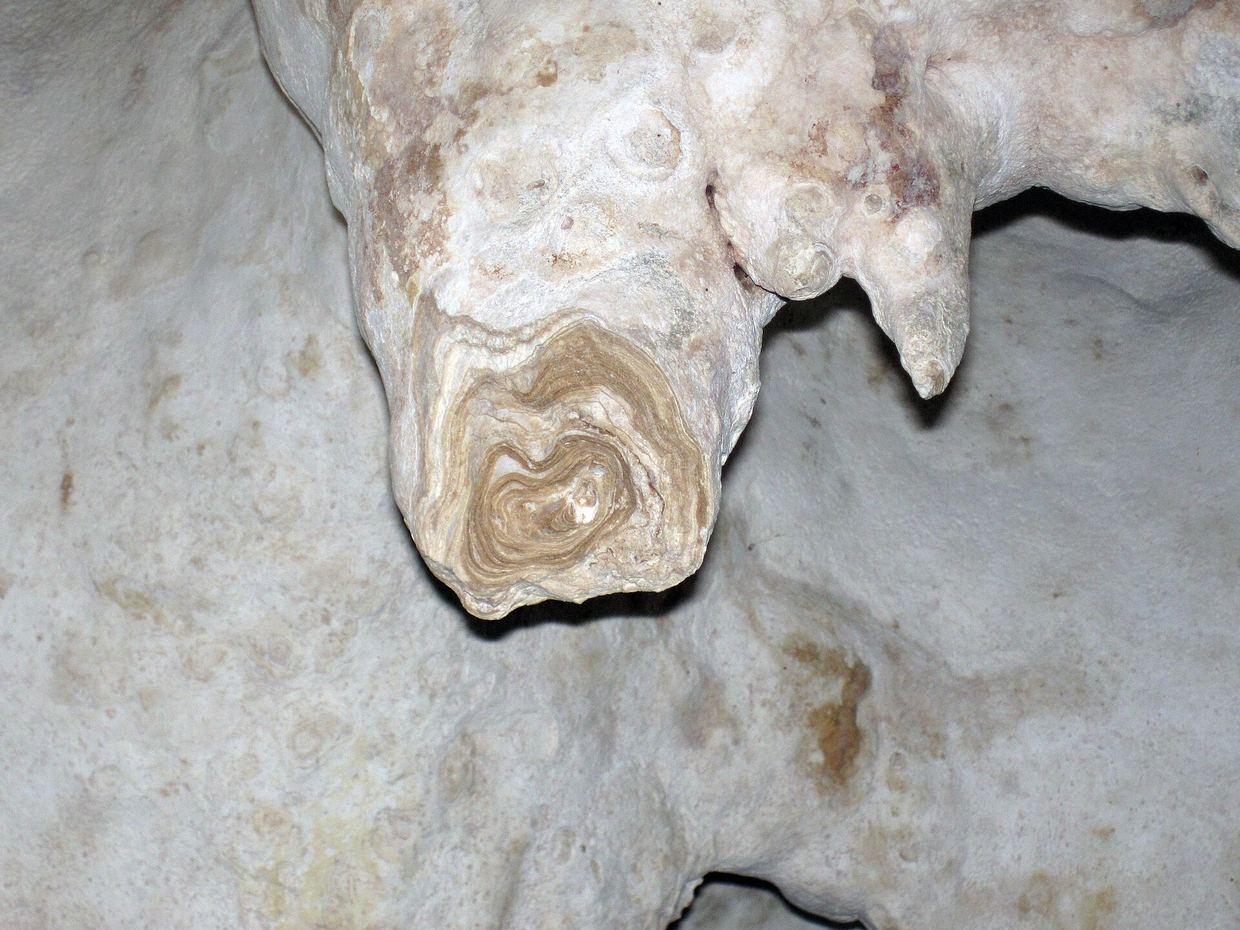
Past abrupt warming events during the last glacial period developed far slower than previously inferred from polar ice cores, according to an international study published in the journal Science and reported via EurekAlert eurekalert.org
EurekAlerteurekalert.orgOpen source ↗. Researchers analyzed annually laminated stalagmites from Cherrapunji Cave in northeast India and Shuixi Cave in southwest China alongside data from Zhangjia Cave, focusing on Dansgaard–Oeschger (DO) events DO-1 through DO-8. The high-resolution oxygen isotope (δ18O) records revealed that the transitions consistently required more than 100 years, averaging roughly 180 years
eurekalert.org
EurekAlerteurekalert.orgOpen source ↗.
During DO events, high-latitude Northern Hemisphere temperatures climbed by 5 to 16 °C in connection with a strengthening Atlantic Meridional Overturning Circulation (AMOC). Earlier reconstructions relied on Greenland ice-core δ18O records, which suggested shifts occurred over just a few decades. However, the isotopic composition of ice cores reflects shifting moisture sources as well as local temperatures. Asian monsoon speleothems directly reflect AMOC intensity, and combining uranium-thorium dating with annual laminae counting enabled precise duration measurements of each warming phase eurekalert.org
EurekAlerteurekalert.orgOpen source ↗.
Two-stage circulation dynamics
Isotope-enabled Earth system modeling showed that the rapid rise in Greenland ice-core δ18O tracks an initial atmospheric adjustment rather than the full ocean circulation response eurekalert.org
EurekAlerteurekalert.orgOpen source ↗. In the first stage, sea-ice retreat in the northeastern North Atlantic triggered a sudden shift from stadial to interstadial atmospheric regimes, altering regional moisture transport pathways and causing a sharp spike in polar ice signals within decades.
Ocean restructuring timeline
In the second stage, the AMOC continued to strengthen and sea ice receded further across the northwestern North Atlantic without major shifts in regional atmospheric circulation modes eurekalert.org
EurekAlerteurekalert.orgOpen source ↗. Consequently, Greenland ice records recorded no additional variations while the ocean circulation took roughly two centuries to complete its reorganisation. The authors noted that future projections of AMOC tipping must account for these extended decadal-to-centennial timescales.