Lancaster and IIT Kanpur study: Indian families trade free school meals for private schooling
Interviews with 246 members of 60 low-income households in Uttar Pradesh and Goa show that families weigh India's Mid-day Meal Scheme against school quality, cost and stigma.
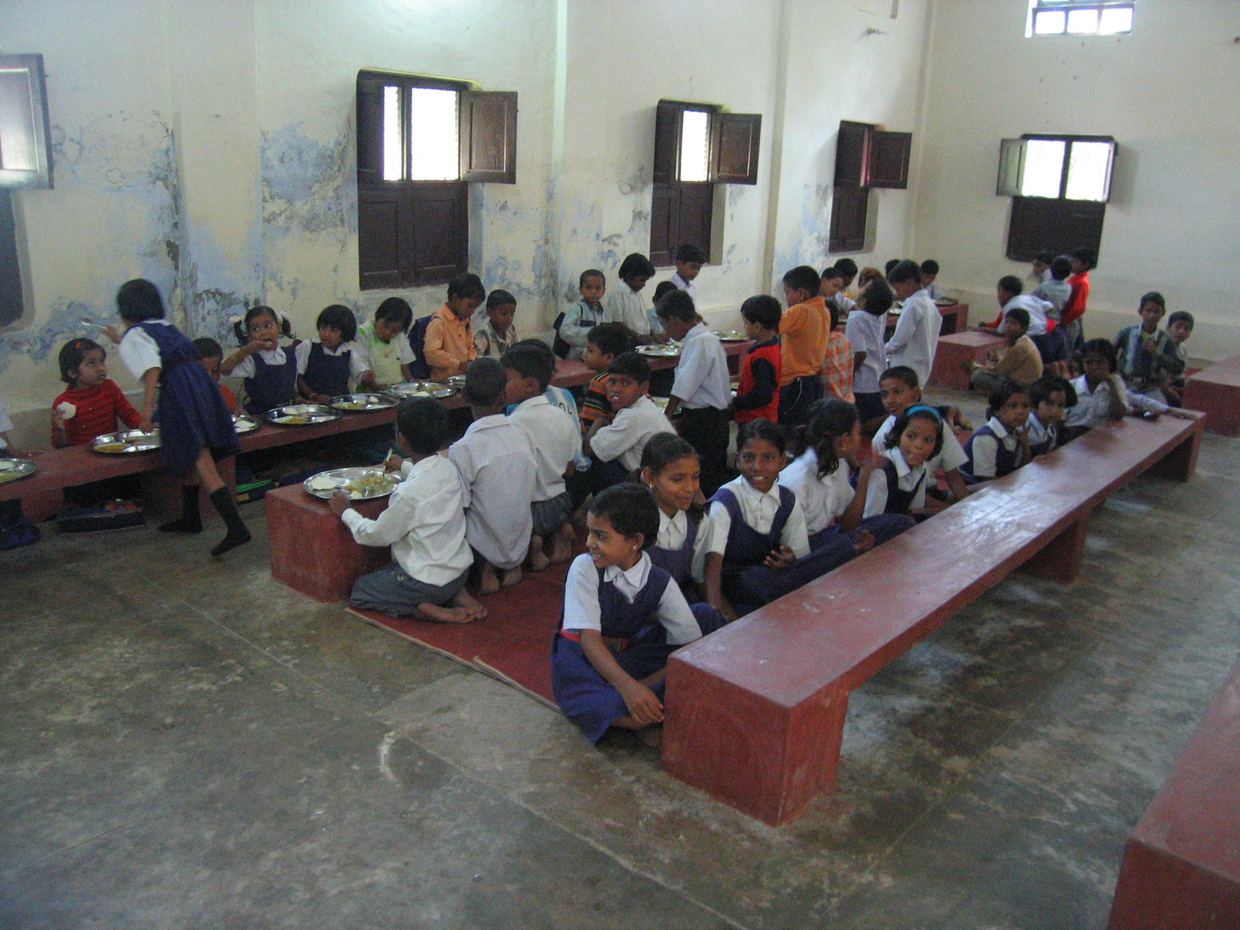
Some children in India's poorest families may be missing out on free school meals because the scheme does not match their parents' aspirations, according to a study from Lancaster University and the Indian Institute of Technology Kanpur. The work was published in the Journal of Social Policy on 30 October 2026 and described in a 5 November release on EurekAlert. eurekalert.org
EurekAlerteurekalert.orgOpen source ↗
Scheme and study design
India's Mid-day Meal Scheme (MDMS) was introduced three decades ago. It provides free cooked meals to around 118 million children, with the aim of improving nutrition and encouraging school attendance. eurekalert.org
EurekAlerteurekalert.orgOpen source ↗ The meals are available only in government and government-aided schools, so a family's decision about the scheme is tied to its decision about where to educate the child.
eurekalert.org
EurekAlerteurekalert.orgOpen source ↗
The researchers interviewed 246 members of 60 low-income households in Uttar Pradesh and Goa. eurekalert.org
EurekAlerteurekalert.orgOpen source ↗ They found that the scheme remains a vital support, particularly for families in acute hardship, but that its reach depends on factors beyond the meal itself. These include perceptions of school quality, the costs of schooling, household labour needs and the social meanings attached to receiving free food.
eurekalert.org
EurekAlerteurekalert.orgOpen source ↗
What families weigh
Families judged the scheme less by its nutritional value than by how it fitted their hopes for their children. eurekalert.org
EurekAlerteurekalert.orgOpen source ↗ Many chose low-cost private schools they saw as offering a better education, giving up free meals in exchange. Often this meant cutting back on food at home to pay the fees, which increased pressure on food budgets.
eurekalert.org
EurekAlerteurekalert.orgOpen source ↗
For other families, relying on school meals carried stigma linked to caste, class, gender and religion, and to the expectation that parents should feed their own children. Some children felt ashamed to queue for food or ask for more. eurekalert.org
EurekAlerteurekalert.orgOpen source ↗ In the poorest households, the free meal was often outweighed by the need for children's labour or by hidden costs such as transport.
eurekalert.org
EurekAlerteurekalert.orgOpen source ↗
Lead author Dr Swayamshree Mishra of Lancaster University said that for families in the most difficult circumstances the scheme is a lifeline, but that families weigh it against their hopes for education, their sense of dignity and everyday pressures. eurekalert.org
EurekAlerteurekalert.orgOpen source ↗
The team proposes going beyond improving meal quality. Its recommendations are better infrastructure in government schools, framing and messaging that reduce stigma, community co-design of menus, lower hidden costs such as transport, and attention to how the scheme eases the daily care burden on working mothers. eurekalert.org
EurekAlerteurekalert.orgOpen source ↗ The authors note that the findings are relevant beyond India for designing and evaluating school meal programmes.
eurekalert.org
EurekAlerteurekalert.orgOpen source ↗