Paleogenomics finds a leprosy strain not previously seen in Europe in a 5th-century grave near Cuxhaven
Kiel University researchers analysed the bones of eleven people from Fallward. One man from the Danube region carried a Mycobacterium leprae strain likely of Egyptian origin.
Researchers at Kiel University (Christian-Albrechts-Universität zu Kiel) used genetic analyses on the bones of eleven people from the Fallward burial ground near Cuxhaven, Germany, to establish their origin, futurezone.de reports. The cemetery dates partly to the 5th century AD. One man turned out to have come from the Danube region and to have had leprosy caused by a strain not previously documented in Europe. futurezone.de
futurezone.defuturezone.deOpen source ↗
Fallward burial ground and the man with the boat
Fallward is a late antique cemetery that has long interested archaeologists. Its damp soil provided excellent conditions for preservation. The remains of the eleven individuals had been recovered earlier and kept in storage. futurezone.de
futurezone.defuturezone.deOpen source ↗
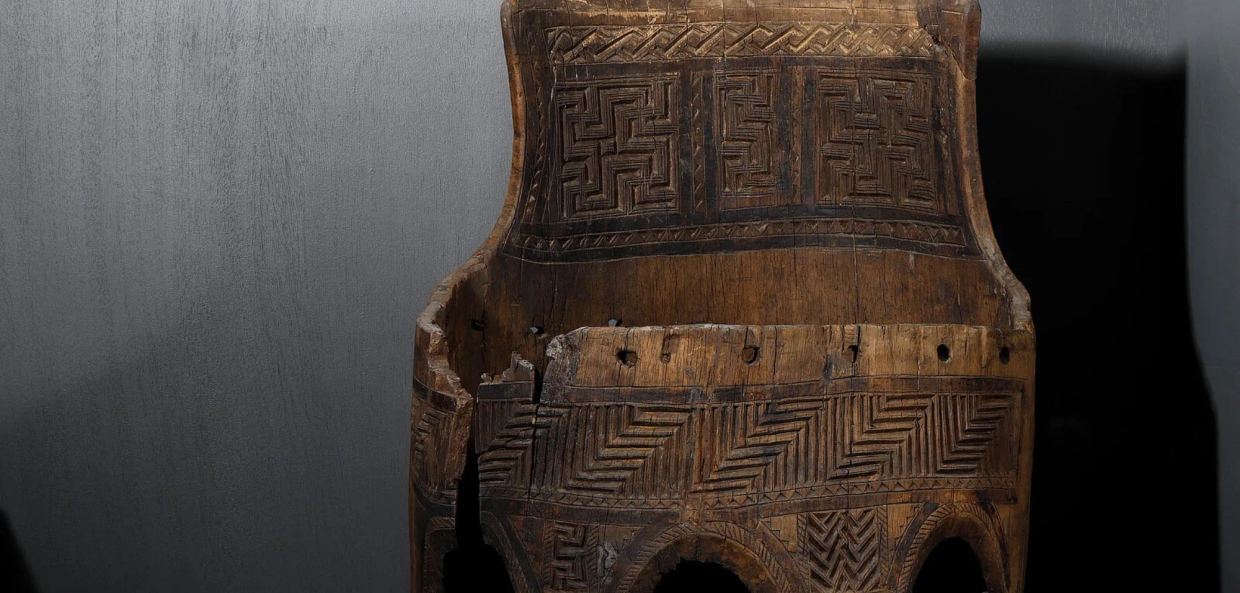
One man stood out among them. He was buried with a boat and several wooden grave goods, alongside ceramic and metal artifacts. They included an elaborately made wooden chair and a military belt, which at the time of discovery already suggested that its owner was of foreign origin. futurezone.de
futurezone.defuturezone.deOpen source ↗
The study, published by Cell Press under the title "Paleogenomics reveals leprosy at the late antique burial site of Fallward in northern Germany" (2026), confirmed this. According to the authors, the man came from the Danube region, which corresponds to present-day East and Southeast Europe. futurezone.de
futurezone.defuturezone.deOpen source ↗
A leprosy strain of Egyptian origin
The Mycobacterium leprae strain found in him belongs to a variant that most likely originates from ancient Egypt rather than Europe. An early version of this strain is known from Egypt for the 4th to 2nd century BC. futurezone.de
futurezone.defuturezone.deOpen source ↗
His bones showed none of the damage that commonly accompanies leprosy. The researchers suggest that he carried the disease for a long time without pronounced outward signs. Leprosy is a chronic disease that can develop very slowly, so he may have shown few symptoms during his life. futurezone.de
futurezone.defuturezone.deOpen source ↗
This, in the researchers' view, would explain how he was able to travel from the Danube region to northern or northwestern Europe despite the conditions of the time. They add that migration was common not only around the Mediterranean but, to a lesser degree, also in remote parts of the Roman Empire. futurezone.de
futurezone.defuturezone.deOpen source ↗