KIZ: mutations in the ZC4H2 gene cause similar deficits in mice through opposite synaptic defects
Kunming Institute of Zoology researchers found in mice that two ZC4H2 mutations impair cognition via opposite synaptic mechanisms and respond to different drugs.
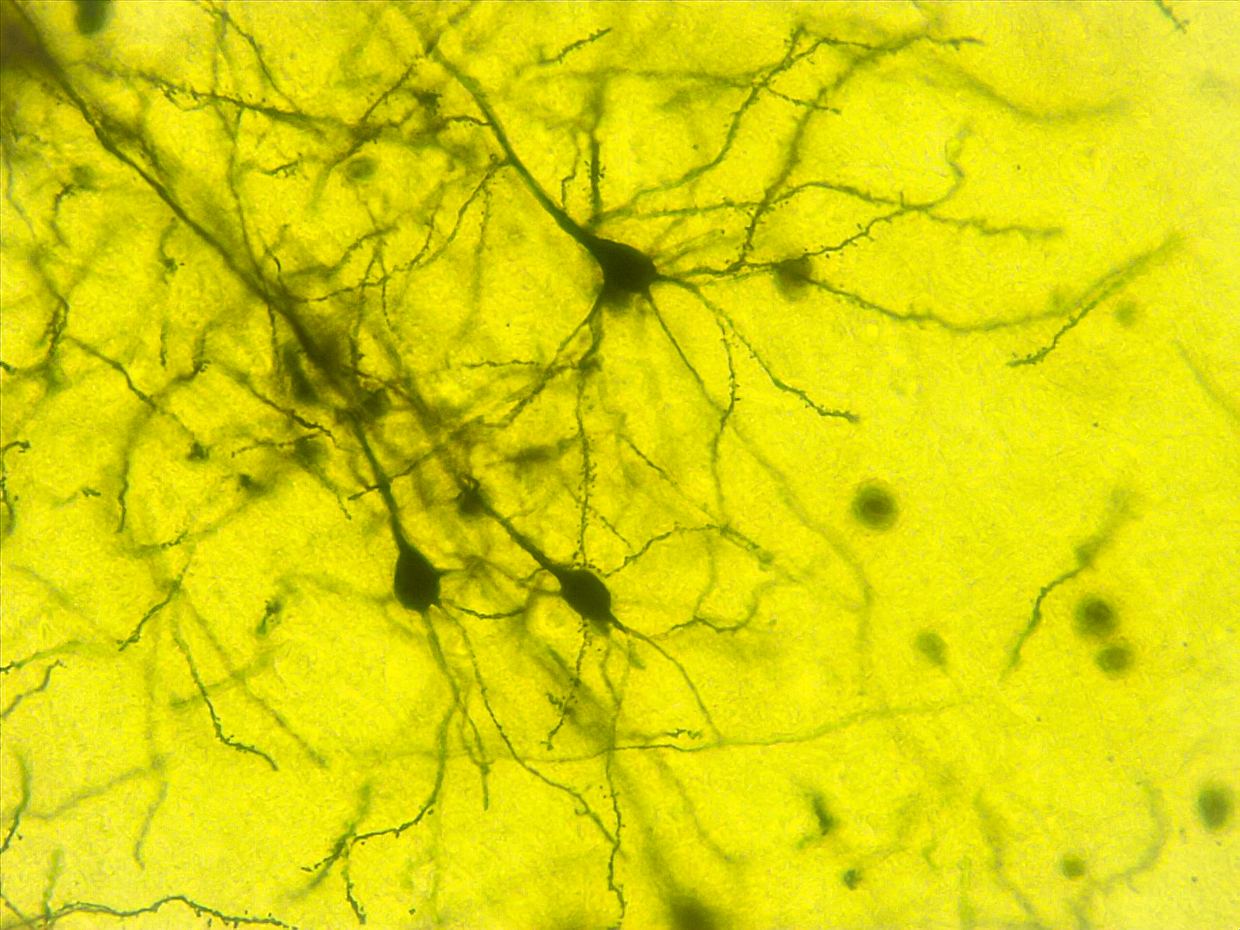
A team led by Sheng Nengyin at the Kunming Institute of Zoology of the Chinese Academy of Sciences has described ZC4H2-associated rare disorder (ZARD) as a spectrum of mechanisms rather than a single one. According to EurekAlert, the work was published in Neuron on November 5. ZARD is marked by intellectual disability, developmental delay, muscle weakness and other neurological or physical abnormalities. eurekalert.org
EurekAlerteurekalert.orgOpen source ↗
Earlier, the same group showed that ZC4H2 is a postsynaptic regulator of excitatory synaptic activity and cognition: it controls the protein stability of the AMPA receptor subunits GluA1 and GluA2. It remained unclear whether the same mechanism operates in patients with different ZC4H2 variants. eurekalert.org
EurekAlerteurekalert.orgOpen source ↗
Two classes of mutations
The researchers expressed wild-type ZC4H2 and 23 pathogenic mutants in N2A cells. They identified two classes. The first lost the ability to regulate GluA1/GluA2 (loss of function). The second retained AMPA regulation but abnormally suppressed the inhibitory GABAA receptor subunits α1/β1 (gain of function). Recordings in hippocampal slices showed that the two classes specifically disrupted inhibitory and excitatory transmission, respectively. eurekalert.org
EurekAlerteurekalert.orgOpen source ↗
The team then created two knock-in mouse models with representative patient mutations, ZC4H2 L66H/y and ZC4H2 R213W/y. Both showed comparable cognitive deficits: impaired novel-object recognition, loss of social memory and defective spatial learning, without obvious motor or anxiety abnormalities. eurekalert.org
EurekAlerteurekalert.orgOpen source ↗
Different ubiquitin ligase pathways
In L66H mice, GABAergic inhibitory transmission and inhibitory long-term potentiation (LTP) were weakened. In R213W mice, AMPAR-mediated excitatory transmission was heightened and excitatory LTP was impaired. eurekalert.org
EurekAlerteurekalert.orgOpen source ↗
Using TurboID proximity labeling, the authors traced the divergence to two E3 ubiquitin ligases. The L66H mutant gained an interaction with MKRN2, which promotes polyubiquitination and destabilization of GABAA receptor subunits. The R213W mutant disrupted the interaction of ZC4H2 with RNF220, which reduced RNF220 stability and lowered ubiquitination of AMPA receptor subunits, leaving excitatory synapses overactive. eurekalert.org
EurekAlerteurekalert.orgOpen source ↗
Genetic rescue was specific. Knockout of MKRN2 in forebrain excitatory neurons rescued only the L66H model, while a degradation-resistant RNF220 variant rescued only the R213W model. eurekalert.org
EurekAlerteurekalert.orgOpen source ↗
Two clinically used drugs were also tested in mice. The GABAA agonist muscimol restored inhibitory transmission and cognition in L66H mice but had no effect in R213W mice. The AMPAR antagonist perampanel produced the opposite result. The authors conclude that intervention should be guided by the specific mutation rather than the diagnosis alone. The results were obtained in cells and mice. eurekalert.org
EurekAlerteurekalert.orgOpen source ↗