UNC study: higher estimated indoor radon linked to greater heart failure risk in 43,000 postmenopausal women
In a cohort of more than 43,000 postmenopausal women, living where estimated indoor radon exceeded 4 pCi/L was linked to higher heart failure risk than living below 2 pCi/L.
On 5 November 2026, JAMA Network Open published a study led by researchers at the UNC Gillings School of Global Public Health, according to EurekAlert. It involved more than 43,000 postmenopausal women with an average age of 63. Women living in areas with estimated indoor radon levels above 4 pCi/L had a higher risk of heart failure than those living in areas below 2 pCi/L eurekalert.org
EurekAlerteurekalert.orgOpen source ↗.
Study results
The association was particularly evident among women with a history of smoking eurekalert.org
EurekAlerteurekalert.orgOpen source ↗. The authors report that the radon-related risk of heart failure was similar to the risk associated with substantial increases in systolic blood pressure and body mass index, two established risk factors
eurekalert.org
EurekAlerteurekalert.orgOpen source ↗. The paper is titled "Indoor Radon and Incident Heart Failure Among Postmenopausal Women."
Lead author Shu Chen said heart failure is a globally burdensome and increasingly common form of cardiovascular disease among aging women. In her words, identifying readily testable and modifiable factors, such as home radon levels, is critical in this at-risk population eurekalert.org
EurekAlerteurekalert.orgOpen source ↗.
Radon, policy and testing
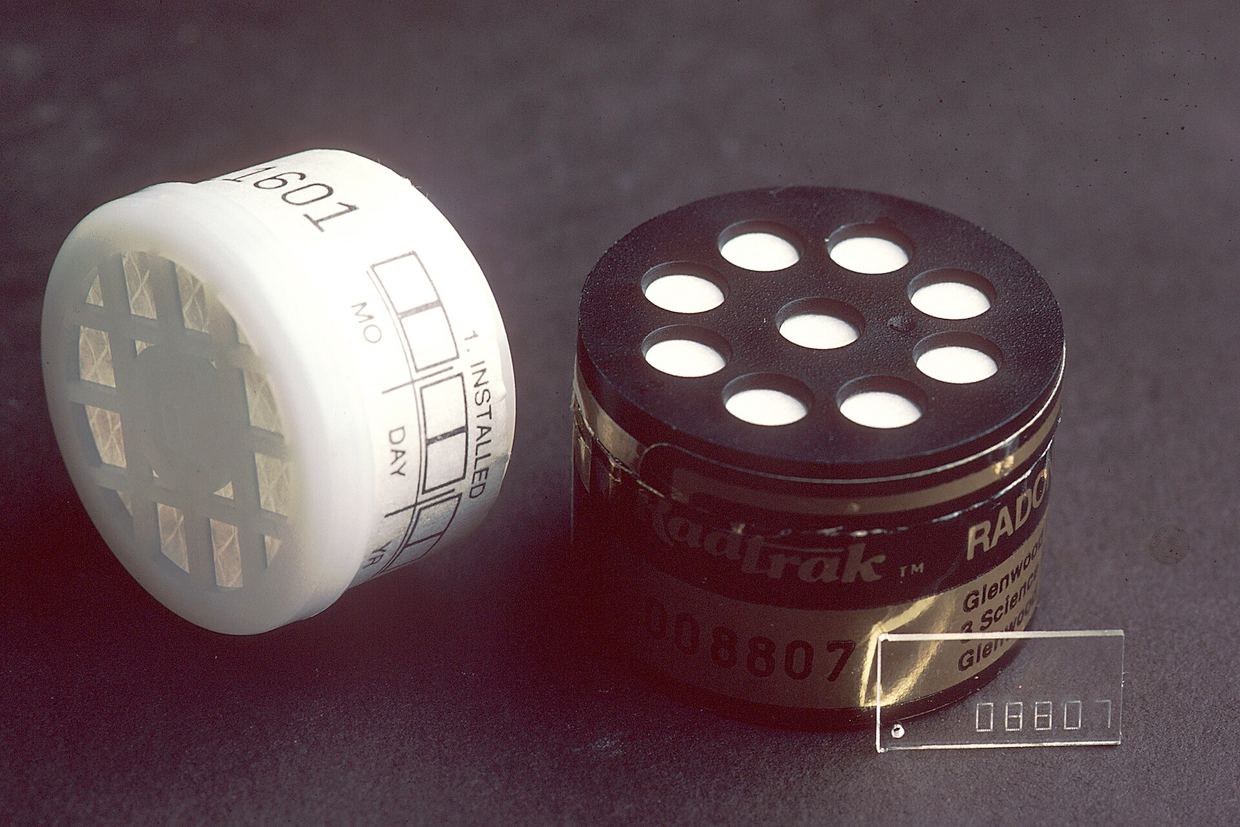
Radon is a colorless, odorless radioactive gas. It passes from bedrock and soil through basement floor slabs, porous or cracked foundation walls and crawlspaces into homes, where it can build up. Radon has long been linked to lung cancer, and a growing body of research also connects higher exposure to heart attack and stroke. Current US Environmental Protection Agency (EPA) radon policy, however, remains focused exclusively on preventing lung cancer eurekalert.org
EurekAlerteurekalert.orgOpen source ↗.
The EPA recommends testing all homes and reducing radon levels above 4 picocuries per liter of indoor air (pCi/L), a process called mitigation. Recent data suggest that approximately one quarter of the U.S. population may live in places that exceed this level eurekalert.org
EurekAlerteurekalert.orgOpen source ↗.
Senior author Eric A. Whitsel, professor of epidemiology at the Gillings School, emphasized that the cardiovascular health benefits of radon mitigation remain unknown. He added that such benefits are plausible and may be analogous to the once-unrecognized benefits of smoking cessation eurekalert.org
EurekAlerteurekalert.orgOpen source ↗.
Test kits are listed on the EPA website, sold in home improvement stores and sometimes offered through state-funded programs, such as the one at the North Carolina Department of Health and Human Services.