Diabetes Care study: menstrual cycle shifts insulin needs in type 1 diabetes even with AID systems
An observational study in Diabetes Care found cycle-dependent changes in insulin need and glucose in users of automated insulin delivery. The size of the effect differed widely between individuals.
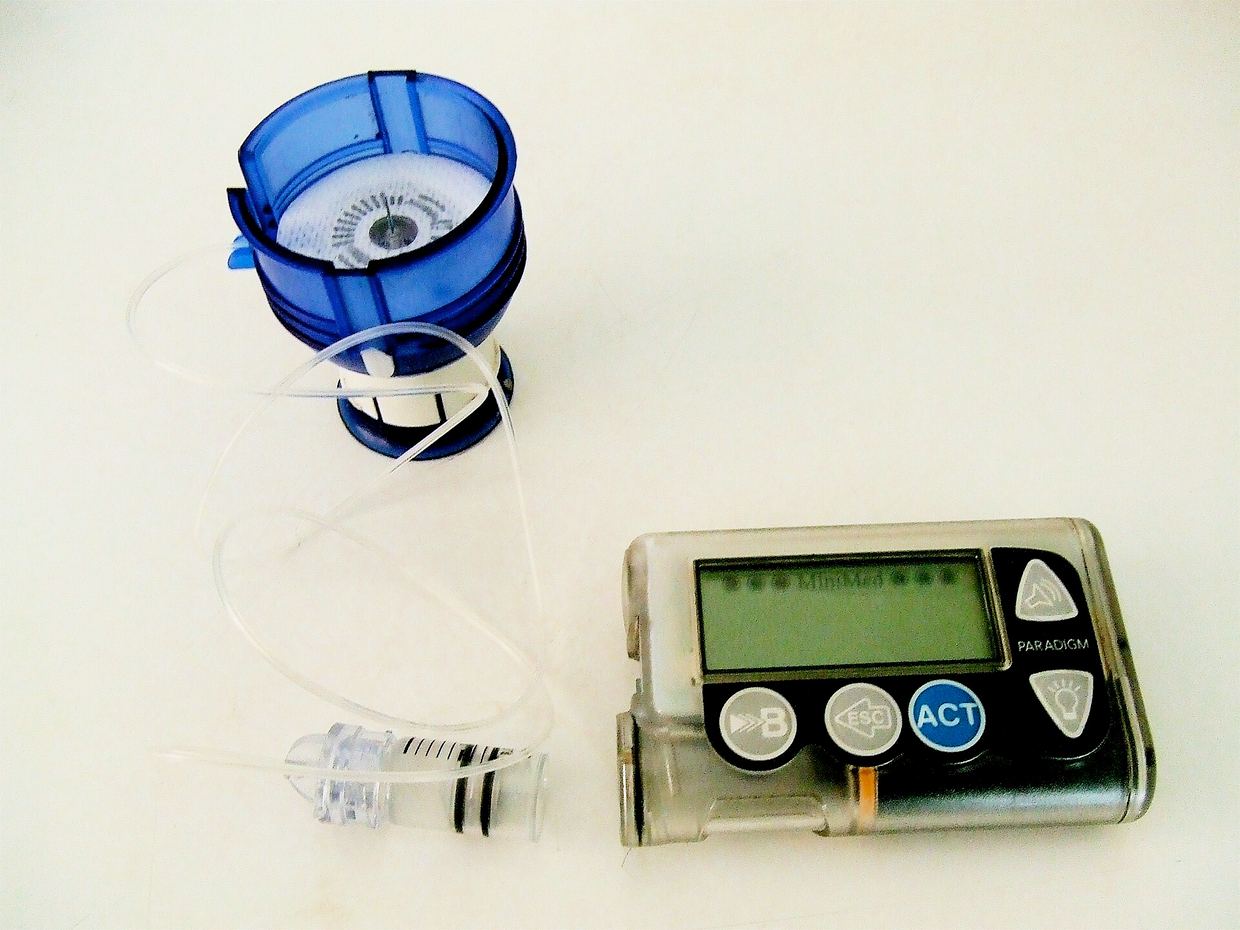
A study published in the September 2026 issue of Diabetes Care shows that the menstrual cycle changes insulin requirements and glucose levels in women with type 1 diabetes even when they use automated insulin delivery (AID) systems, according to lomazoma.com. Dr. Martina Rothenbühler presented the findings at a pre-conference press briefing of the German Diabetes Association (DDG) ahead of its Autumn Meeting 2026 lomazoma.com
lomazoma.comlomazoma.comOpen source ↗.
AID systems link a glucose sensor to an insulin pump. A control program adjusts insulin delivery based on the sensor readings. The study shows that cycle-related changes persist under this regime lomazoma.com
lomazoma.comlomazoma.comOpen source ↗.
Insulin sensitivity across the cycle
The cycle begins on the first day of menstruation. Its second half falls after ovulation and before the next period. In this phase the body of many women is less sensitive to insulin. Higher insulin delivery can offset the increased need, but does not necessarily prevent a rise in glucose. In the studied group, glucose values were less often in the target range during this phase lomazoma.com
lomazoma.comlomazoma.comOpen source ↗.
About 85 percent of participants showed a pattern matching the group trend: lower insulin sensitivity in the second half of the cycle and higher sensitivity at its start. Sensitivity was estimated with a statistical model based on everyday data. The degree of change varied considerably between participants lomazoma.com
lomazoma.comlomazoma.comOpen source ↗.
Limits and open questions
The study is observational and records associations in daily life. Besides hormonal fluctuations, diet, sleep and physical activity can also affect insulin need and glucose. The contribution of each factor cannot be determined clearly lomazoma.com
lomazoma.comlomazoma.comOpen source ↗. The study does not establish which technical or physiological factors cause the remaining cycle-dependent differences
lomazoma.com
lomazoma.comlomazoma.comOpen source ↗.
At the start of the cycle insulin need may fall again, and delivery that is too high relative to need can lead to hypoglycemia. AID systems can reduce delivery when glucose falls and increase it when glucose rises, but automatic adjustment does not keep values in range at all times lomazoma.com
lomazoma.comlomazoma.comOpen source ↗.
"Not every woman needs more insulin before menstruation," said Rothenbühler, scientific program lead at the Diabetes Center Bern, Switzerland. She added that no approved system currently accounts for the menstrual cycle explicitly in controlling insulin delivery. She also suggested evaluating such systems not only by glucose values but also by how many decisions they take over for users, and giving hormonal life phases more weight in counseling, training and technology development lomazoma.com
lomazoma.comlomazoma.comOpen source ↗.