CUNY study: VOC peaks in five New York nail salons raise inhalation risk estimates for workers
Minute-by-minute air monitoring for a week showed repeated VOC spikes in nail salons; modeled benzene cancer risk exceeded the EPA benchmark in several of them.
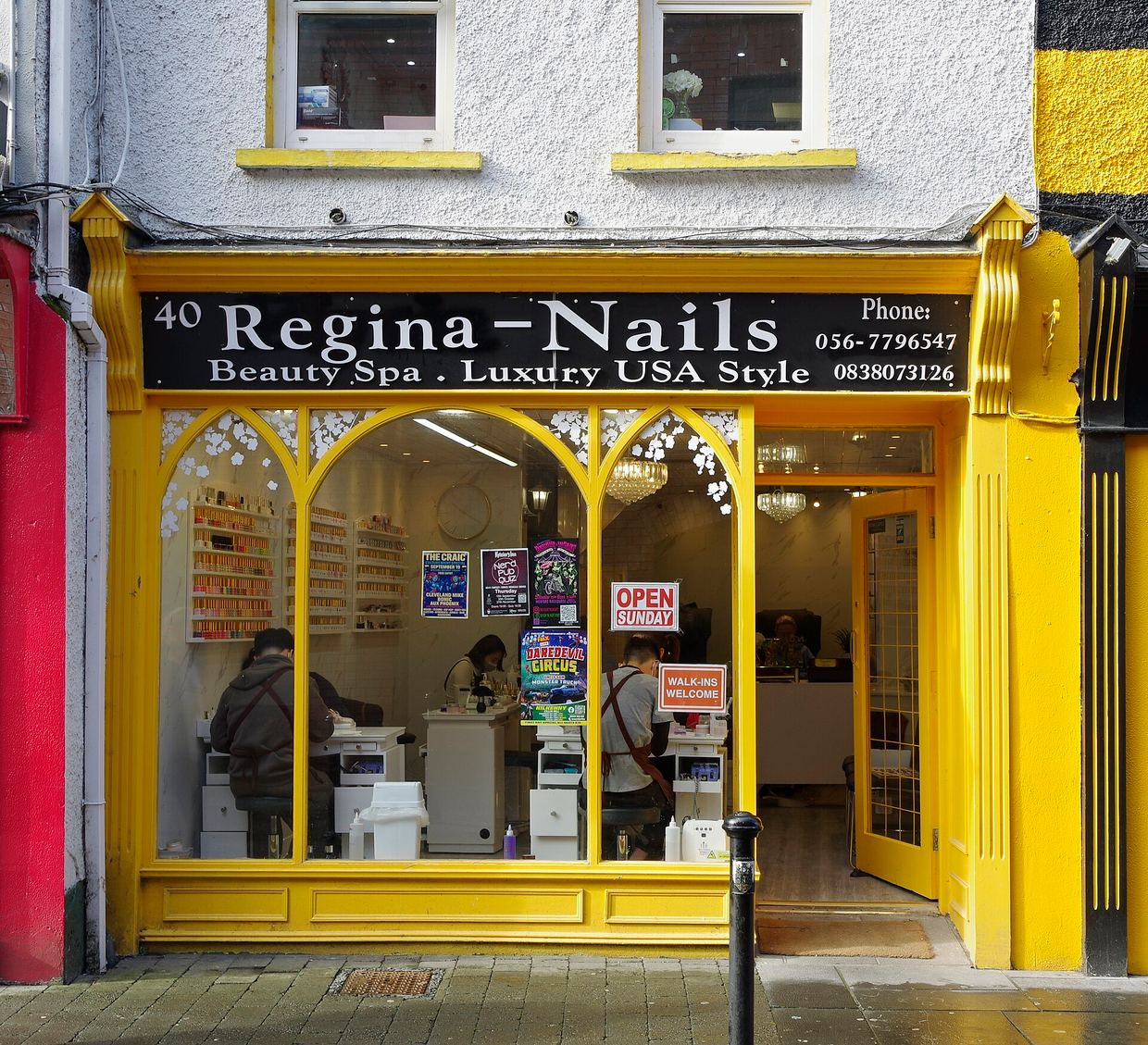
Researchers at the City University of New York Graduate School of Public Health and Health Policy (CUNY SPH) report that chemical concentrations in New York City nail salons spiked repeatedly during the workday, according to a release on EurekAlert dated 5 November 2026. The study, published in Risk Analysis and led by A. Michael Ierardi, tracked air quality minute by minute for a week in five salons. eurekalert.org
EurekAlerteurekalert.orgOpen source ↗
The team combined continuous photoionization detector monitoring with chemical-specific sampling on thermal desorption tubes. Levels of volatile organic compounds (VOCs) varied widely. According to the authors, short-term peaks may be missed by traditional full-shift averages. eurekalert.org
EurekAlerteurekalert.orgOpen source ↗
What was measured in the salon air
The VOC mixtures consisted largely of fast-evaporating solvents used in nail products. The most commonly detected were ethyl acetate, acetone, n-butyl acetate and methyl acetate, generally at higher levels than xylenes (mixed isomers), methyl methacrylate, benzene and ethyl methacrylate. eurekalert.org
EurekAlerteurekalert.orgOpen source ↗ Methacrylates are associated with artificial nail products, while benzene may be present in some nail products at low levels.
Nail care is an $8 billion industry in the U.S. Workers spend prolonged shifts breathing complex mixtures that include solvents, aromatic hydrocarbons such as toluene and xylenes, and methacrylates. These compounds are associated with eye, nose and lung irritation, central nervous system effects and reproductive harm.
Risk estimates and exposure limits
Benzene was detected less frequently and at low concentrations. Even so, modeled lifetime cancer risks exceeded the EPA's 1-in-1-million benchmark in several salons under certain exposure scenarios. eurekalert.org
EurekAlerteurekalert.orgOpen source ↗ Noncancer hazard estimates were generally below the benchmark, although upper-bound estimates exceeded it in the salon with the highest measured VOC concentrations.
eurekalert.org
EurekAlerteurekalert.orgOpen source ↗
Occupational exposure limits are generally set to protect healthy, non-pregnant adult men during a standard eight-hour shift. The authors say these limits may fall short for more vulnerable groups, including women of reproductive age, who make up much of the nail salon workforce. eurekalert.org
EurekAlerteurekalert.orgOpen source ↗
Peaks could contribute to acute symptoms, but the study did not assess symptoms or identify the sources of individual peaks. The authors say the findings support using peak-based metrics alongside full-shift averages when evaluating exposures in nail salons. "Traditional air sampling and risk assessment methods don't tell the whole story for nail salons," Ierardi said. eurekalert.org
EurekAlerteurekalert.orgOpen source ↗