Leeds study: narrow-clawed crayfish prey on Gammarus as strongly as signal crayfish at 9–22 °C
In laboratory trials, Pontastacus leptodactylus consumed the freshwater amphipod Gammarus pulex as strongly as the signal crayfish; its relative impact peaked near 17 °C.
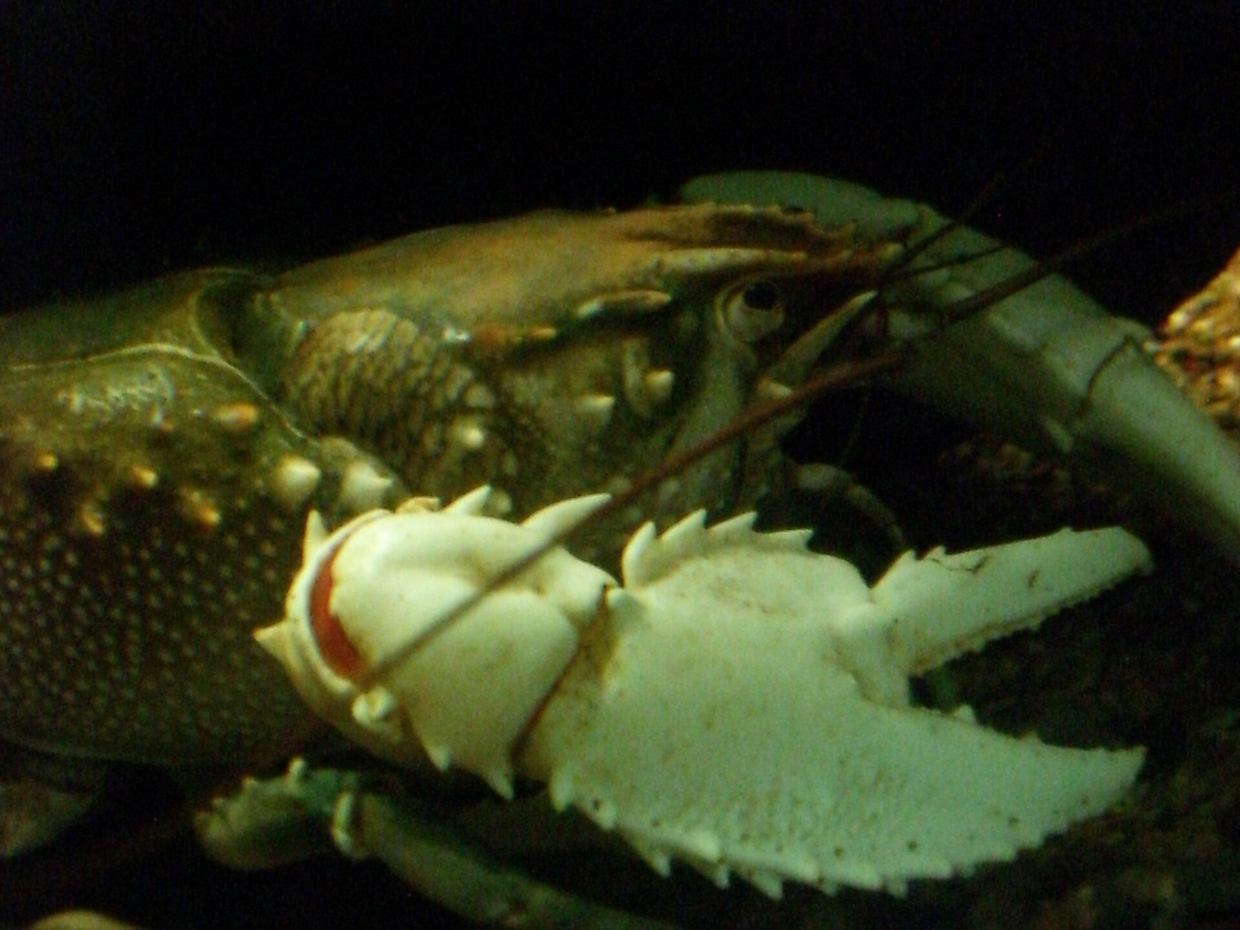
Researchers at the University of Leeds compared predation by two crayfish species, the narrow-clawed crayfish (Pontastacus leptodactylus) and the signal crayfish (Pacifastacus leniusculus), on the native amphipod Gammarus pulex. The work, published in Biological Invasions on 5 November 2026, was a laboratory experiment at four temperatures: 9, 12, 17 and 22 °C doi.org
Biological Invasionsdoi.orgOpen source ↗. The lead author is James Hodson, the senior author is Josie South.
Both species had a strong predatory impact on G. pulex at every temperature doi.org
Biological Invasionsdoi.orgOpen source ↗. The authors assessed it through functional response, which shows how much prey one animal consumes across a range of prey densities. This approach also shows whether rare native prey will still be eaten when its numbers are low.
Relative impact and temperature
The team also calculated relative impact potential, which combines per-animal predation with the abundance of crayfish in the field. For the sampled populations, P. leptodactylus had a higher relative impact, driven by higher field abundance doi.org
Biological Invasionsdoi.orgOpen source ↗. This potential increased with temperature up to about 17 °C
doi.org
Biological Invasionsdoi.orgOpen source ↗. According to Hodson, at 17 °C the narrow-clawed crayfish still consumed large quantities of prey and were more abundant. He noted that the average summer temperature in UK still waters is around 15–20 °C.
When the response of G. pulex to temperature was included, the estimated impact grew further, because prey abundance decreased at higher temperatures doi.org
Biological Invasionsdoi.orgOpen source ↗. According to the university's release, narrow-clawed crayfish normally form smaller populations than signal crayfish and do not carry crayfish plague, but they remain large-bodied predators able to alter ecosystems.
Management recommendations
The authors conclude that P. leptodactylus has been overlooked as a potentially damaging invader, both now and under future climate conditions doi.org
Biological Invasionsdoi.orgOpen source ↗. They recommend that stakeholders renew management appraisals of its populations in order to reduce spread and population size and minimise ecological harm
doi.org
Biological Invasionsdoi.orgOpen source ↗.
Co-author Matthew Harwood said that eradicating established invasive crayfish populations remains challenging, so preventing spread into surrounding areas is critical. He also called on environmental regulators to identify potential new damaging invaders in advance. According to the release, the UK populations of the narrow-clawed crayfish may face fewer environmental pressures, such as diseases, than populations in its native range.