Twenty Anglo-Saxon coins found near the Vatican point to an English quarter in Rome
Archaeologists dug up Anglo-Saxon silver in rubbish pits beside the Vatican; historians say English money may have been spent freely in Rome.
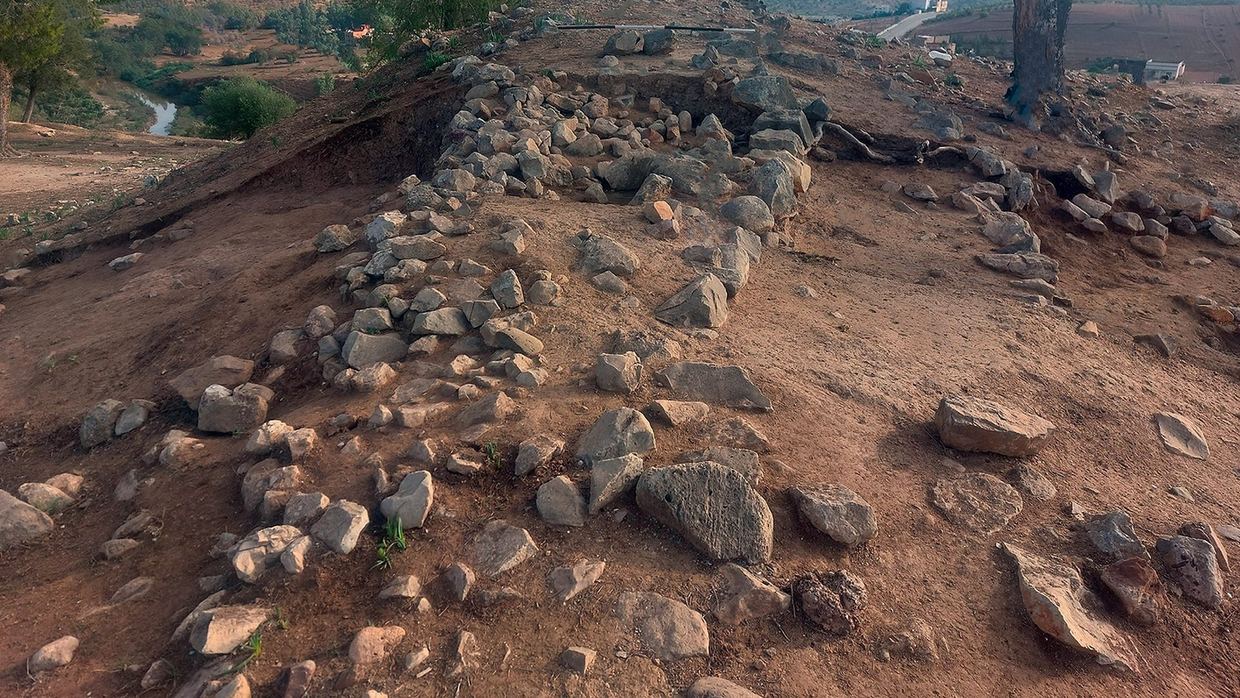
Archaeologists digging beside the Vatican have recovered twenty Anglo-Saxon coins from the walled garden of the Palazzo della Rovere, Earth.com reports. The excavation began in 2020, while the building was being turned into a hotel. It was directed by Rome's state archaeology office, the Soprintendenza Speciale di Roma, and the fieldwork was done by a team coordinated by Marzia Di Mento earth.com
Earth.comearth.comOpen source ↗. The coins were studied by historians Rory Naismith of the University of Cambridge and Francesca Tinti of the University of the Basque Country
earth.com
Earth.comearth.comOpen source ↗.
What was found in the garden
Thirty coins came out of the ground, and 23 of them were struck in the tenth century. Twenty were Anglo-Saxon: 19 silver pennies and one halfpenny. They carry the names of Edward the Elder and his sons Æthelstan and Eadred, who ruled between 899 and 955 earth.com
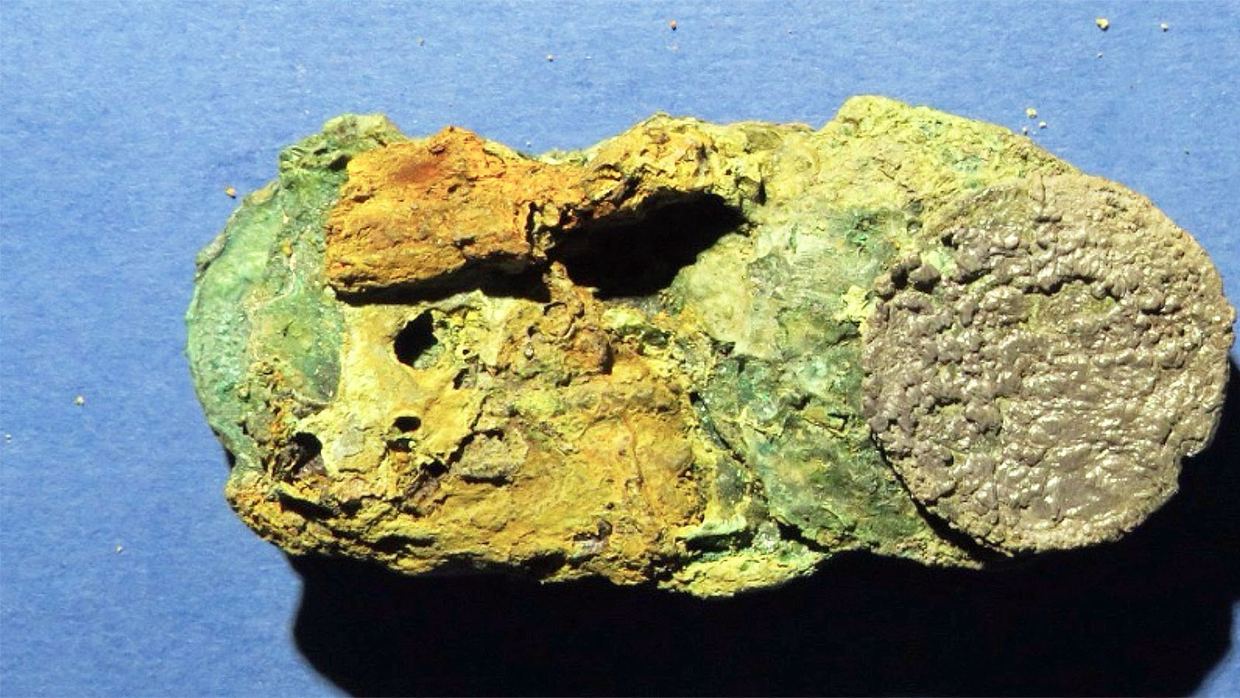
Earth.comearth.comOpen source ↗. Fourteen coins had fused into two lumps of six and eight. The pennies that could be read closely came from East Anglia, Kent, London and the West Midlands
earth.com
Earth.comearth.comOpen source ↗.
Alongside them lay a coin probably struck for Pope John X, two coins from the mint at Pavia, and a handful of Roman bronzes. Around the coins was debris of leather, bone and metalwork production, spread over at least 32,000 square feet (3,000 square meters) earth.com
Earth.comearth.comOpen source ↗. The coins were scattered across five spots, and the two biggest groups lay in rubbish pits, each mixing Anglo-Saxon, Italian and Roman coins. The authors found no trace of silver working on the site, so the silver does not appear to have been collected for melting
earth.com
Earth.comearth.comOpen source ↗.
English money in the English quarter
Written records from Rome of this period mention only papal money. Foreign coin was not normally acceptable, and a ninth-century letter describes a Frankish abbot worried about changing his currency before a trip to the city earth.com
Earth.comearth.comOpen source ↗. Naismith said more Anglo-Saxon coins from this period have now been found in Rome than papal coins, and that the number of coins suggests intensive use
earth.com
Earth.comearth.comOpen source ↗.
The finds cluster between about 900 and 970, before the English began paying Peter's Pence, so the authors consider pious offerings unlikely. They point to Asser, who wrote in 893 that Pope Marinus I, at Alfred's request, freed the English quarter "from every tribute and toll." The historians propose that the privilege included the right to spend English money, and call this a possibility rather than a proof earth.com
Earth.comearth.comOpen source ↗.
Use of English coin in Rome faded around the 970s. One possible reason the authors raise is that the popes stopped minting their own coins at about that time. The results appear as a chapter, written in Italian, in the proceedings of a conference held at Roma Tre University in December 2025; the full catalog of the coins is still to come earth.com
Earth.comearth.comOpen source ↗.