Princeton University Biologists Link Ungulate Migration to Higher Extinction Rates
Phylogenetic modeling shows hooved mammals that migrate face elevated extinction risk alongside higher speciation rates on macroevolutionary timescales.
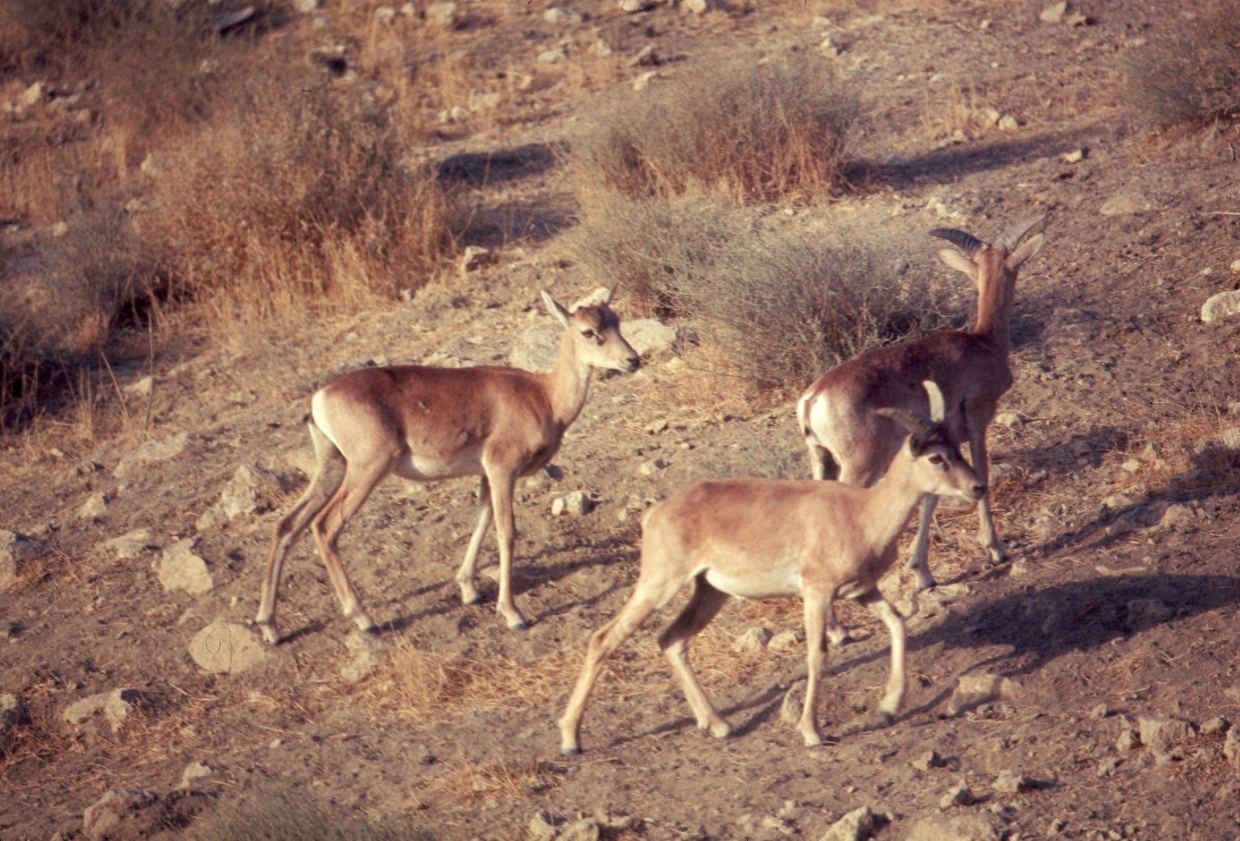
Biologists led by Joel Abraham from Princeton University revealed that migratory behavior in ungulates is associated with significantly higher rates of lineage turnover and extinction over evolutionary timescales. The findings were published in the journal PLOS Biology (doi.org/10.1371/journal.pbio.3004072) doi.org
doi.orgdoi.orgOpen source ↗.
Using phylogenetic imputation on fossil and modern data, the team reconstructed the migratory habits of 51 hooved mammal species that went extinct during the late Quaternary. The analysis showed that approximately 80% (41 of 51) of these extinct ungulates were migratory doi.org
doi.orgdoi.orgOpen source ↗. By comparison, among 207 extant ungulate species, only 46% (95 species) maintain migratory behavior, indicating that migratory taxa experienced disproportionate losses during recent geological epochs.
Evolutionary Turnover
Macroevolutionary dynamics were evaluated using Hidden State Speciation and Extinction (HiSSE) modeling doi.org
doi.orgdoi.orgOpen source ↗. The model revealed that migratory lineages experienced both higher speciation rates and higher extinction rates than nonmigratory counterparts. According to the estimates, migratory lineages evolved 2.8 new species per million years, compared to 1.7 species per million years for nonmigratory lineages, which confirms that migration accelerates evolutionary turnover
doi.org
doi.orgdoi.orgOpen source ↗.
Parameters of diversification depended strongly on whether the extinct late Quaternary taxa were included in the evolutionary analyses. The authors noted that while migration enables animals to overcome seasonal resource bottlenecks and maintain large populations, its viability relies strictly on predictable spatiotemporal distributions of forage and water doi.org
doi.orgdoi.orgOpen source ↗.
Impact on Functional Diversity
The team also evaluated the ecological consequences of these extinctions by measuring changes in ungulate functional richness doi.org
doi.orgdoi.orgOpen source ↗. Globally, the loss of late Quaternary migratory ungulates resulted in a negligible decline of 0.8% in functional diversity.
However, regional impacts varied substantially, with Africa experiencing a 2.7% reduction in functional richness following the loss of its migratory taxa doi.org
doi.orgdoi.orgOpen source ↗. The researchers concluded that macroevolutionary fragility makes migratory species uniquely vulnerable when anthropogenic pressures, including fences, roads, and climate change, sever critical migration corridors and disrupt resource predictability
doi.org
doi.orgdoi.orgOpen source ↗.
Sources · 2
Found a mistake?Read also