Texas A&M links high temperatures to increased mealybug feeding in lab tests
Electropenetrography experiments show that heat drives mealybugs to consume more water and inject more toxins into plant tissues.
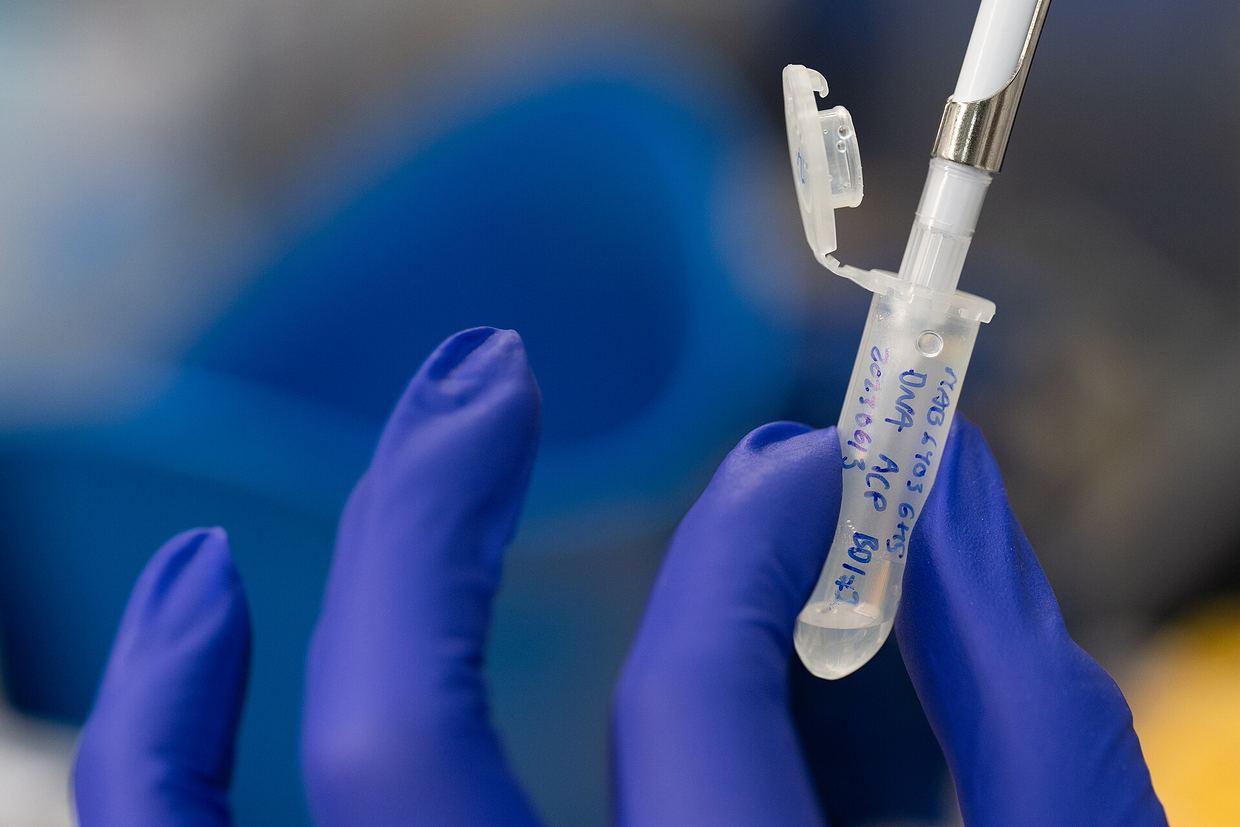
Researchers at Texas A&M AgriLife Research demonstrated that elevated temperatures alter mealybug feeding behavior, potentially explaining why pasture infestations inflict more severe damage during hot periods, reports EurekAlert eurekalert.org
EurekAlerteurekalert.orgOpen source ↗. The laboratory experiments, led by doctoral student Ashley Zavala and epidemiologist Thomas Chappell, utilize electropenetrography to measure the mechanical and biological aspects of insect ingestion under shifting microclimates
eurekalert.org
EurekAlerteurekalert.orgOpen source ↗. The findings aim to support forage management against invasive pasture mealybugs that have spread to 114 Texas counties since being confirmed in July 2025
eurekalert.org
EurekAlerteurekalert.orgOpen source ↗.
Sensor tracking of insect feeding
To quantify feeding dynamics, scientists applied electropenetrography (EPG) by wiring insect specimens and host plants to electrical sensors eurekalert.org
EurekAlerteurekalert.orgOpen source ↗. The system records electrical waveforms that correspond to specific insect activities, such as tissue puncture, sap ingestion, and secretion
eurekalert.org
EurekAlerteurekalert.orgOpen source ↗. While initial trials focused on a related mealybug species feeding on pepper plants, the team is translating the behavioral profiles to pasture mealybugs, which threaten forage grasses including Bermuda, Bahia, and bluestems across Texas, Florida, Georgia, and Louisiana
eurekalert.org
EurekAlerteurekalert.orgOpen source ↗.
Temperature effects on plant damage
The sensor waveforms revealed that thermal stress forces mealybugs to adjust their fluid intake between plant vascular tissues eurekalert.org
EurekAlerteurekalert.orgOpen source ↗. When temperatures rise, the insects tap into the xylem more frequently to extract water and maintain hydration
eurekalert.org
EurekAlerteurekalert.orgOpen source ↗. Concurrently, elevated heat increased the rate at which mealybugs salivate into the nutrient-rich phloem
eurekalert.org
EurekAlerteurekalert.orgOpen source ↗. Because mealybug saliva carries destructive enzymes and toxins, this elevated secretion accelerates plant tissue dieback without requiring an increase in pest population density
eurekalert.org
EurekAlerteurekalert.orgOpen source ↗.
Texas A&M AgriLife has mobilized an Emerging Pest Task Force to integrate these behavioral insights into pasture protection programs eurekalert.org
EurekAlerteurekalert.orgOpen source ↗. Scientists are linking the feeding data with environmental parameters like canopy density, humidity, and rainfall to design predictive models
eurekalert.org
EurekAlerteurekalert.orgOpen source ↗. These models are intended to help ranchers optimize pesticide application schedules before heat-accelerated feeding causes irreversible pasture degradation
eurekalert.org
EurekAlerteurekalert.orgOpen source ↗.